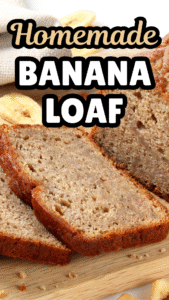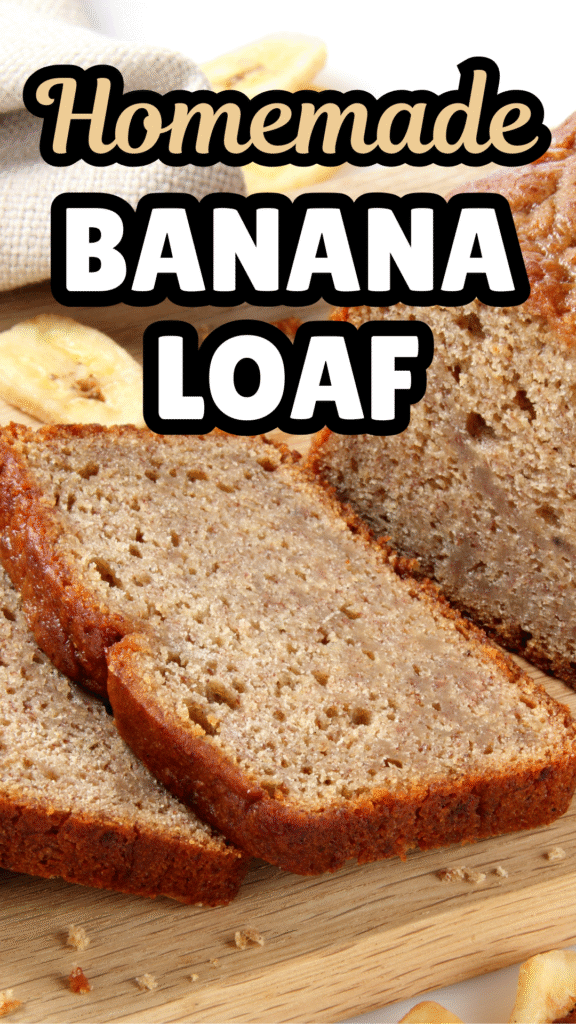
There’s something comforting about a freshly baked banana loaf cooling on the counter.
It fills your kitchen with a warm, sweet aroma and turns simple ingredients into something truly special.
If you have overripe bananas sitting on your counter, this is the best way to use them. The darker and softer they are, the more flavor and natural sweetness they bring to your loaf.
This recipe gives you a moist, fluffy texture with a soft, tender crumb in every slice. It’s easy to make, uses basic pantry staples, and comes together in just one bowl.
Why You’ll Love This Banana Loaf
Super Moist and Soft
No one wants a dry banana loaf. This recipe gives you a soft, tender slice every time. The ripe bananas add natural moisture, while the balanced ingredients create a fluffy texture that still feels rich.
Each bite is smooth and light, not heavy or dense. Even the next day, it stays moist when stored properly. That means you can bake it once and enjoy it for days.
Uses Basic Pantry Ingredients
You don’t need anything fancy to make this loaf. Most of the ingredients are likely already in your kitchen — flour, sugar, eggs, butter or oil, and of course, ripe bananas.
There’s no special equipment required either. A bowl, a spoon or whisk, and a loaf pan will do the job. This keeps the process simple and stress-free, especially if you’re baking with kids or just starting out.
Great for Breakfast, Snacks, or Dessert
This banana loaf fits into any part of your day. Slice it thick and enjoy it with coffee in the morning. Pack a piece into a lunchbox for a midday treat.
You can even warm it slightly and serve it with a scoop of ice cream for dessert. It’s versatile, which makes it a recipe you’ll come back to often.
Freezer-Friendly
Banana loaf freezes beautifully. Once cooled, you can slice it and wrap individual pieces for easy grab-and-go portions.
When you’re ready to enjoy it, simply thaw at room temperature or warm it gently in the microwave.
The texture stays soft, and the flavor remains just as good. This makes it perfect for meal prep or baking ahead for busy weeks.
Easy to Customize
This recipe is a solid base that welcomes creativity. Stir in chocolate chips for a sweeter twist. Add chopped walnuts or pecans for crunch.
You can also mix in cinnamon or nutmeg for extra warmth. Small changes make a big difference, so you can adjust it to suit your taste without changing the core recipe.
Ingredients You’ll Need
Dry Ingredients
- 2 cups (250g) all-purpose flour
- 1 teaspoon baking soda
- ½ teaspoon salt
- 1 teaspoon ground cinnamon (optional) – adds warmth and depth of flavor
Wet Ingredients
- 3 large ripe bananas (about 1½ cups mashed / 360g) – very soft with brown spots
- ¾ cup (150g) white sugar or brown sugar
- 2 large eggs, room temperature
- ½ cup (115g) melted butter or ½ cup (120ml) neutral oil
- 1 teaspoon vanilla extract
- 2 tablespoons milk or plain yogurt (optional) – for extra moisture and softness
How to Choose the Best Bananas
The best banana loaf starts with the right bananas, and the riper they are, the better your loaf will taste.
Look for bananas that are heavily speckled with brown spots or almost fully brown on the outside; this means the starches have turned into natural sugars, giving your loaf a deeper sweetness and stronger banana flavor.
Firm yellow bananas will not give you the same soft texture or rich taste, so it’s worth waiting an extra day or two if needed.
If your bananas are not ripe yet, you can speed up the process by placing them in a paper bag at room temperature for a day or two, which traps natural gases and helps them ripen faster.
For a same-day option, bake unpeeled bananas on a tray at 150°C (300°F) for 15–20 minutes until the skins turn black and the inside softens.
You can also use frozen bananas, which is a great way to avoid waste; simply thaw them completely, drain any excess liquid if there’s too much, and mash before adding to your batter.
Using properly ripened bananas ensures your loaf turns out moist, naturally sweet, and full of flavor every single time.
Step-by-Step Instructions
1. Preheat Oven and Prepare Loaf Pan
Start by preheating your oven to 175°C (350°F), so it’s fully heated before the batter goes in. This helps the loaf rise properly from the start.
Lightly grease a 9×5-inch loaf pan with butter or oil, then line it with baking paper for easy removal. Leave a little overhang on the sides so you can lift the loaf out cleanly after baking.
2. Mash Bananas
Place your ripe bananas in a large mixing bowl. Use a fork or potato masher to mash them until mostly smooth.
A few small lumps are perfectly fine, but avoid large chunks. Smoothly mashed bananas blend better into the batter and create an even texture.
3. Mix Wet Ingredients
Add the sugar to the mashed bananas and stir until combined. Crack in the eggs and mix well. Then pour in the melted butter or oil and vanilla extract.
If you’re using milk or yogurt, add it now. Stir until the mixture looks smooth and evenly combined. Do not rush this step; proper mixing here builds a balanced batter.
4. Combine Dry Ingredients
In a separate bowl, whisk together the flour, baking soda, salt, and cinnamon if using.
Mixing the dry ingredients separately ensures the baking soda and salt are evenly distributed. This prevents uneven rising or salty spots in the loaf.
5. Fold Everything Together
Gradually add the dry mixture to the wet mixture. Use a spatula or wooden spoon to gently fold until just combined.
Stop mixing as soon as you no longer see streaks of flour. Overmixing can make the loaf dense and tough, so keep your movements light and steady.
6. Pour Into Pan
Transfer the batter into your prepared loaf pan. Spread it evenly and smooth the top with your spatula.
If you like, you can slice a banana lengthwise and place it on top for a simple decorative finish.
7. Bake Until Golden and Set
Place the pan in the center of the oven and bake for 50–60 minutes. The top should turn golden brown, and a toothpick inserted into the center should come out clean or with a few moist crumbs.
If the top browns too quickly, loosely cover it with foil during the last 10–15 minutes of baking.
8. Cool Before Slicing
Remove the loaf from the oven and let it cool in the pan for about 10–15 minutes. Then lift it out and place it on a wire rack to cool completely.
Cutting too soon can cause the loaf to crumble, so give it time to set. Once cooled, slice and enjoy a soft, moist piece of homemade banana loaf.
Tips for the Perfect Banana Loaf
Don’t Overmix the Batter
Once you add the dry ingredients to the wet mixture, mix gently and only until combined.
Stirring too much develops the gluten in the flour, which can make your loaf dense and tough instead of soft and tender.
Stop as soon as you no longer see dry flour. A few small lumps are completely fine and will bake out in the oven.
Measure Flour Correctly
Too much flour is one of the most common reasons a banana loaf turns out dry. Instead of scooping the flour directly with your measuring cup, spoon it into the cup and level it off with a knife.
This prevents packing and gives you a more accurate amount. If you have a kitchen scale, weighing the flour is even better for consistent results every time.
Use Very Ripe Bananas
The darker the banana, the better the flavor. Bananas with brown spots or nearly black skins are naturally sweeter and softer, which helps create a moist texture.
Yellow bananas without spots will not give the same richness. If your bananas are not ripe enough, let them sit for a day or two before baking.
Check Doneness with a Toothpick
Baking times can vary slightly depending on your oven. Insert a toothpick into the center of the loaf around the 50-minute mark.
If it comes out clean or with a few moist crumbs, it’s ready. If you see wet batter, give it a few more minutes and check again. This simple step prevents an undercooked center.
Let It Cool Before Slicing
It can be tempting to cut into the loaf right away, but patience makes a big difference. Cooling allows the structure to set, which makes slicing easier and cleaner.
Let it rest in the pan briefly, then transfer to a wire rack to cool completely. This helps lock in moisture and gives you neat, soft slices every time.
Variations & Add-Ins
Chocolate Chip Banana Loaf
If you enjoy a sweeter twist, fold ½ to ¾ cup chocolate chips into the batter just before pouring it into the pan. Semi-sweet chips balance the sweetness, while milk chocolate makes it richer.
Stir gently so the chips are evenly spread. For extra appeal, sprinkle a few on top before baking.
This version is especially popular with kids and makes the loaf feel like a treat without changing the base recipe.
Walnut or Pecan Banana Loaf
For added texture, mix in ½ cup chopped walnuts or pecans. Nuts bring a light crunch that contrasts beautifully with the soft crumb.
Toasting them for 5–7 minutes before adding deepens their flavor. If you prefer a milder crunch, chop them finely. If you like a bolder bite, keep the pieces slightly larger.
Cinnamon Swirl Banana Loaf
To create a cinnamon swirl, mix 2 tablespoons of brown sugar with 1 teaspoon of ground cinnamon.
Pour half the batter into the pan, sprinkle the cinnamon mixture evenly, then add the remaining batter on top.
Use a knife to gently swirl it through. Keep the motion light so you don’t overmix. This adds warmth and a simple bakery-style finish.
Cream Cheese-Filled Banana Loaf
For a richer option, prepare a quick filling by mixing 115g (½ cup) softened cream cheese, 2 tablespoons sugar, and ½ teaspoon vanilla extract until smooth.
Pour half the banana batter into the pan, spread the cream cheese mixture evenly, then top with the remaining batter. Bake as usual.
The center becomes smooth and slightly tangy, which pairs well with the sweet loaf.
Gluten-Free Option
You can substitute the all-purpose flour with a 1:1 gluten-free baking flour blend. Make sure it contains a binding ingredient like xanthan gum for structure.
Do not overmix, and check for doneness carefully, as gluten-free loaves can bake slightly differently. The texture will still be moist when measured correctly.
Eggless Option
To make the loaf without eggs, replace each egg with ¼ cup plain yogurt or a flax egg (1 tablespoon ground flaxseed mixed with 3 tablespoons water, rested for 5 minutes).
These substitutes help bind the batter and maintain moisture. The loaf may be slightly softer, but it will still hold together well and taste just as delicious.
How to Store Banana Loaf
To keep your banana loaf fresh and moist, store it correctly from the start.
If you plan to enjoy it within two to three days, keep it at room temperature in an airtight container or tightly wrapped in plastic wrap; this prevents it from drying out while keeping the texture soft.
Make sure the loaf is completely cool before storing, as trapped heat can create moisture and make it soggy.
If your kitchen is warm or humid, refrigeration is a better option; wrap the loaf well and place it in an airtight container to prevent it from absorbing fridge odors, though keep in mind that refrigeration can slightly firm up the texture.
For longer storage, freezing works beautifully; slice the loaf first, wrap each slice individually in plastic wrap, then place them in a freezer-safe bag or container so you can thaw only what you need.
To reheat, let slices thaw at room temperature or warm them in the microwave for about 15–20 seconds until soft and tender again; you can also toast a slice lightly for a crisp edge and warm center.
Common Mistakes to Avoid
Dense Loaf
A dense banana loaf is usually the result of overmixing or adding too much flour. When you stir the batter too much, the gluten develops and makes the texture heavy instead of soft.
Mix only until the ingredients are combined. Also, measure your flour carefully by spooning it into the cup and leveling it off, or use a kitchen scale for accuracy.
Undercooked Center
A loaf that looks done on top can still be raw in the middle. This often happens if the oven runs cooler than expected or if the loaf is removed too early.
Always test the center with a toothpick before taking it out. If it comes out with wet batter, bake for a few more minutes and check again. Baking in the center rack also helps ensure even heat.
Dry Texture
Dry banana loaf usually comes from too much flour or not enough ripe bananas. It can also happen if the loaf is overbaked.
Stick to the measured ingredient amounts and start checking for doneness a few minutes before the full baking time. Using very ripe bananas adds natural moisture and helps prevent dryness.
Sunken Middle
A loaf that sinks in the center can be caused by underbaking or opening the oven door too early. Sudden temperature changes can cause the structure to collapse.
Make sure the loaf is fully baked before removing it from the oven, and avoid frequent door opening during baking. Proper mixing and accurate measurements also help create a stable, well-risen loaf.
Final Thoughts
Banana loaf is simple, reliable, and always worth making. If you have ripe bananas on your counter, this recipe gives you a soft, moist loaf with very little effort.
Try it as written first, then make it your own with chocolate chips, nuts, or warm spices. Small changes can create a whole new flavor!
FAQs
Can I make banana loaf without eggs?
Yes. Replace each egg with ¼ cup plain yogurt or a flax egg (1 tablespoon ground flaxseed mixed with 3 tablespoons water). The texture will be slightly softer but still moist and stable.
Can I use whole wheat flour?
Yes, you can substitute up to 50% of the all-purpose flour with whole wheat flour for a heartier texture.
Using 100% whole wheat will make the loaf denser, so consider adding 1–2 tablespoons of milk for extra moisture.
Why is my banana loaf dense?
Overmixing the batter or adding too much flour are the most common causes. Mix gently and measure flour correctly to keep the loaf soft and tender.
Can I reduce the sugar?
Yes. You can reduce the sugar by ¼ cup without greatly affecting the texture. Keep in mind the loaf will be less sweet and slightly less moist.
How long does banana loaf last?
It stays fresh for 2–3 days at room temperature in an airtight container, up to 5 days in the fridge, and up to 3 months in the freezer when properly wrapped.
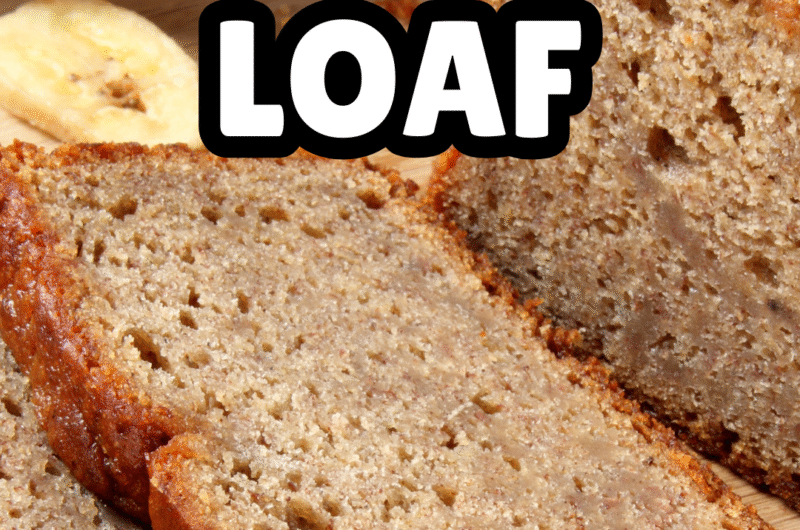
Banana Loaf Recipe (Moist, Soft & Easy to Make)
Difficulty: Easy10
Slices10
minutes50
minutes1
hourA soft, moist banana loaf made with simple pantry ingredients. Perfect for using ripe bananas and ideal for breakfast, snacks, or dessert.
Ingredients
2 cups (250g) all-purpose flour
1 teaspoon baking soda
½ teaspoon salt
1 teaspoon ground cinnamon (optional)
3 large ripe bananas (about 1½ cups mashed)
¾ cup (150g) sugar (white or brown)
2 large eggs
½ cup (115g) melted butter or ½ cup (120ml) oil
1 teaspoon vanilla extract
2 tablespoons milk or yogurt (optional)
Directions
- Preheat oven to 175°C (350°F). Grease and line a 9×5-inch loaf pan.
- Mash bananas in a large bowl until mostly smooth.
- Stir in sugar, eggs, butter (or oil), vanilla, and milk/yogurt if using.
- In a separate bowl, whisk flour, baking soda, salt, and cinnamon.
- Gently fold dry ingredients into wet ingredients until just combined. Do not overmix.
- Pour batter into prepared pan and smooth the top.
- Bake for 50–60 minutes, or until a toothpick inserted in the center comes out clean.
- Cool in the pan for 10–15 minutes, then transfer to a wire rack to cool completely before slicing.
Notes
- Use very ripe bananas for the best flavor and moisture.
- Do not overmix to keep the loaf soft and tender.
- Store at room temperature for 2–3 days or freeze for up to 3 months.

Hi, I’m Sorenna Blythe, the baker and writer behind Mix Whisk Bake. I share simple, reliable recipes and honest kitchen moments to help home bakers bake with confidence and joy. When I’m not testing new treats, you’ll find me sipping coffee and dreaming up my next bake.