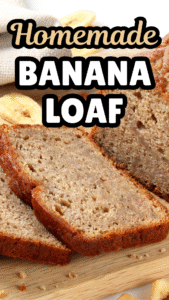
There’s nothing quite like the smell of fresh bread baking in your kitchen. But let’s be real, sometimes that perfect loaf turns into a dense brick or a crusty science experiment.
Don’t worry, you’re not alone. Even seasoned bakers hit a few bumps in the dough.
This post breaks down five of the most common bread-baking problems and gives you simple, no-nonsense fixes.
Save your ingredients. Save your time. And get back to baking bread that actually makes you proud.
Problem #1: My Bread Didn’t Rise
What Went Wrong
Few things are more frustrating than spending time kneading dough, only to find it’s still flat as a pancake hours later. If your bread didn’t rise, the most likely culprit is the yeast.
Yeast is a living organism, and if it’s expired or wasn’t stored properly, it may be dead on arrival. That means no bubbles, no lift, no loaf.
Another common reason? The dough was simply too cold. Yeast needs a warm, cozy environment to get going. If your kitchen feels cold to you, it definitely feels cold to your dough.
And sometimes, the issue isn’t the yeast, it’s us. Many bakers (especially when hungry or impatient) cut the rise time short.
But fermentation is what builds flavor and structure. Rushing it won’t do your bread any favors.
Quick Fixes
Before you even mix the dough, test your yeast. Stir it into a bit of warm water (around 100–110°F or 37–43°C) with a pinch of sugar.
Wait 5–10 minutes. If it foams up like a cappuccino, it’s good to go. No foam? Time to grab a fresh packet.
To create a warm proofing environment, preheat your oven for just a minute or two, then turn it off. Pop the dough inside with the oven light on.
This creates the perfect cozy spot for your yeast to work its magic.
And most importantly, wait it out. Rising times are not an exact science. Dough may need an hour on a warm day or two hours on a chilly one.
Look for volume (it should double in size), not just time on a clock.
Bonus Tip
If you’re tired of temperamental rises, consider switching to instant yeast. It’s more tolerant, doesn’t need to be dissolved first, and gives a more consistent rise.
Great for beginners or anyone who doesn’t want to play “will it rise?” roulette.
Problem #2: My Bread Is Too Dense
What Went Wrong
You pull your bread out of the oven, slice it open, and boom, no airy holes, no springy texture, but just a dense, doughy brick. Yep, we’ve all been there.
Dense bread usually means the dough didn’t develop enough gluten. And gluten is what gives bread its structure, chew, and rise. No gluten? No lift.
One major reason? Not enough kneading. Kneading strengthens the gluten strands, allowing the dough to trap gas bubbles from the yeast.
Without that stretchiness, the gas escapes, and the bread stays heavy.
Another sneaky factor is the flour. All-purpose flour works in a pinch, but bread flour has more protein, which means more gluten. That extra protein is your best friend when aiming for a lighter, taller loaf.
Lastly, the rise. If your dough didn’t rise enough before baking, it simply didn’t have the gas buildup needed to fluff things up in the oven. Bread that goes in too soon can’t catch up.
Quick Fixes
First, knead that dough until it passes the windowpane test. Here’s how: take a small piece and gently stretch it.
If it forms a thin, see-through “window” without tearing, you’re golden. If it rips easily, keep kneading.
Second, switch to bread flour if you’re not using it already. It might seem like a small change, but it can make a big difference in your final loaf. It gives the dough a stronger backbone.
Third, be patient with the first rise. Don’t go by the clock, go by the dough. It should double in size, even if it takes longer than the recipe says. A rushed rise leads to a compact crumb.
Bonus Tip
Resist the urge to add too much flour while kneading. It might seem helpful if the dough feels sticky, but too much extra flour will stiffen the dough and limit its rise.
Instead, oil your hands or your counter to help manage stickiness without messing with the dough’s texture.
Problem #3: My Bread Has a Hard or Thick Crust
What Went Wrong
Biting into a fresh loaf should be satisfying, not jaw-breaking. If your crust turns out rock-hard or thick like armor, something likely went sideways during baking.
One of the top causes? The oven was too hot, or the bread was baked for too long. High temps can dry out the crust before the inside is fully done, leaving you with a tough exterior and a chewy middle.
Another issue? Lack of moisture. Steam in the oven plays a big role, especially in the first few minutes.
It helps the crust stay supple while the bread expands. Without it, the crust can form too quickly and end up thick and dry.
And then there’s flour, too much of it. If you over-flour your dough or the surface while shaping, that extra dust can bake into a tough, dry layer around your loaf.
Quick Fixes
If you notice your crust darkening too fast in the oven, loosely tent the bread with foil halfway through baking.
This shields it from direct heat and gives the inside time to catch up without burning the outside.
For better crust control, introduce steam to your oven. An easy method? Place a metal pan on the bottom rack while preheating, then pour in a cup of hot water just after placing your bread inside.
That steam keeps the outer layer flexible, helping the loaf expand before the crust sets.
Once your bread is out of the oven, brush the crust with melted butter while it’s still warm. It softens the crust instantly and adds flavor, especially if you’re aiming for a soft sandwich-style loaf.
Bonus Tip
Want that classic pillowy crust you see on store-bought sandwich bread? Bake your loaf in a covered loaf pan (or Dutch oven with the lid on for part of the bake).
It traps steam and keeps the crust thin and tender. It’s like giving your bread a mini steam spa during baking.
Problem #4: My Bread Is Gummy or Underbaked Inside
What Went Wrong
You slice into what looks like a perfect loaf, only to find the inside sticky, heavy, and shiny.
We’ve all been there. Most of the time, gummy bread means one thing: it didn’t bake long enough. It’s easy to be fooled by a nicely browned crust, but the inside often needs more time to catch up.
Another sneaky culprit is your oven temperature. Ovens can lie.
What says 375°F might actually be 340°F—or 410°F. If your oven runs cool, your bread won’t bake through properly before the crust hardens.
And sometimes the dough itself is the problem. If it’s too wet, dense, or under-proofed, the steam inside can’t escape properly during baking.
That leaves you with a soggy, almost doughy center instead of a soft, airy crumb.
Quick Fixes
First, use a kitchen thermometer—it’s the best insurance against underbaked bread. When the internal temperature hits 190–210°F (88–99°C), you’re in the safe zone. No more guessing.
Next, let your bread cool completely before slicing. It’s tempting to cut into it fresh out of the oven (the smell alone is torture), but the cooling stage is when the crumb sets.
Cutting too early traps moisture, turning that beautiful loaf into a gummy mess.
If you keep getting underbaked loaves, try baking at a slightly lower temperature for longer. This allows the heat to penetrate more evenly without over-browning the crust.
Bonus Tip
When in doubt, tap the bottom of the loaf. If it sounds hollow, you’re good to go. If it sounds dull or heavy, pop it back in for a few more minutes. It’s a simple old-school trick, but it works every time.
Problem #5: My Bread Cracked or Split Weirdly
What Went Wrong
You slide your dough into the oven expecting a beautiful, domed loaf, and instead, it explodes like it had a secret escape plan.
Cracks show up in odd places, and your bread looks more like a busted balloon than a bakery masterpiece. It’s annoying, especially after hours of prep.
One common reason? You didn’t score the dough before baking. Scoring (aka slashing) isn’t just for looks—it’s how you tell the bread where to expand.
Without it, the dough will still try to grow in the heat, but it’ll tear wherever it feels like it. Usually not in the cute way you imagined.
Another issue is dry dough skin. If your dough sits out during the final proof without being covered, the surface dries out and forms a crust.
When it bakes, that tough outer layer resists expansion and forces the steam to escape through random weak spots, leading to chaotic splits.
And then there’s oven spring—that dramatic rise in the first few minutes of baking. If your dough goes into the oven too tightly or overproofed, that burst of heat can cause aggressive, uneven tearing.
Quick Fixes
Before you bake, score the top of your dough with a sharp blade or lame. Think of it as giving your bread an escape hatch.
A clean, confident slash (about ¼–½ inch deep) helps direct where the loaf will open up, giving you a beautiful bloom instead of a blowout.
Next, keep your dough covered during the final rise.
A lightly damp towel or a bit of greased plastic wrap will prevent that dry skin from forming. Soft dough is flexible dough, and flexible dough bakes more predictably.
And don’t forget to let your dough rest before baking. Even just 15 minutes after shaping helps relax the gluten, which makes the dough less tense. Less tension = fewer surprise splits.
Bonus Tip
Want a neat loaf with pro-level crust? Bake in a preheated Dutch oven. The heavy lid traps steam, which keeps the crust soft during oven spring.
That controlled environment encourages the loaf to rise evenly and split only where you’ve scored it. It’s like giving your bread a personal trainer and spa treatment all in one.
Final Thoughts
Bread baking isn’t about perfection, but it’s about practice. Every flat loaf or gummy middle teaches you something new.
Keep experimenting. Jot down what works (and what doesn’t). Your next great loaf might be one tweak away.
And hey, if your bread flopped or turned out fabulous, share it! We’ve all had our “oops” loaves, and they make the best stories!
FAQs
Can I still use dough that didn’t rise?
Yes, but don’t expect a fluffy loaf. If the yeast is truly inactive, the bread will be dense. You can repurpose it into flatbreads, crackers, or even pizza dough. Just roll it thin and bake it flat. Waste not!
How can I fix overly salty or bland bread?
For future bakes, taste your dough before the final rise. If it’s too salty, reduce by ¼ teaspoon next time.
If it’s bland, bump up the salt or add mix-ins like herbs, cheese, or garlic. Salt makes a big difference, so don’t skip it, but don’t overdo it either.
What’s the best way to store homemade bread?
Keep it wrapped in a clean towel or in a bread bag at room temperature. Avoid the fridge because it dries out bread faster. If you need to keep it longer than a few days, slice and freeze it.
Reheat slices in a toaster or oven for that fresh-baked feel.
Can I freeze bread dough?
Absolutely. After the first rise, shape it and freeze it on a tray. Once frozen solid, wrap tightly and store in a freezer bag.
When ready to bake, thaw it in the fridge overnight, let it come to room temp, rise again, and bake like usual.
Why does my bread taste yeasty?
It could be too much yeast or not enough rise time. If the dough doesn’t ferment long enough, that yeasty flavor doesn’t mellow out.
Try using less yeast and giving your dough more time to rise slowly. A longer, cooler rise often gives better flavor.

Hi, I’m Sorenna Blythe, the baker and writer behind Mix Whisk Bake. I share simple, reliable recipes and honest kitchen moments to help home bakers bake with confidence and joy. When I’m not testing new treats, you’ll find me sipping coffee and dreaming up my next bake.