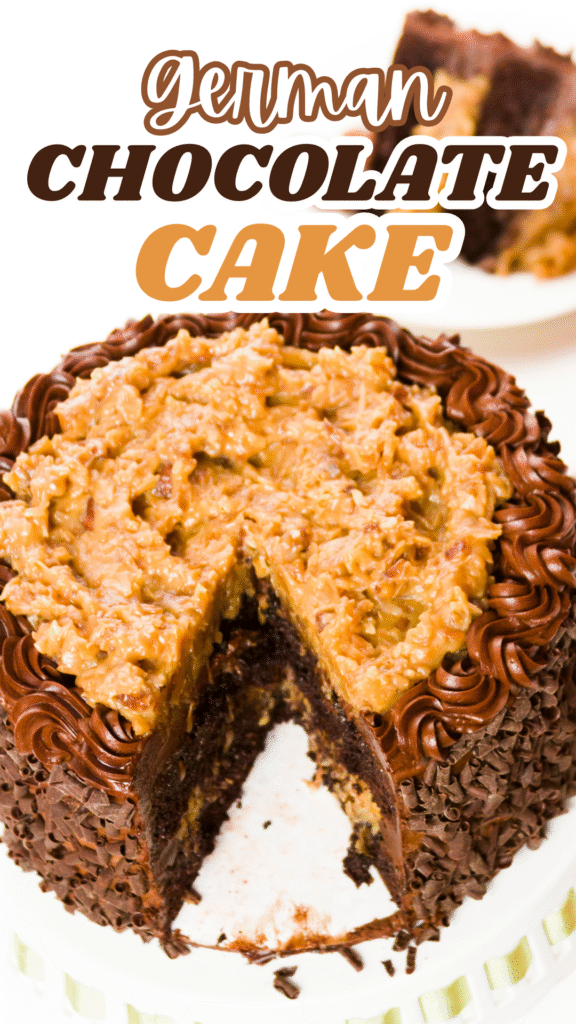
German chocolate cake has a funny little backstory. It’s not German at all; it’s named after Samuel German, the baker who created the sweet chocolate used in the original recipe.
But honestly? One bite, and you won’t care who made what.
This cake is all about rich chocolate layers, a caramel-like coconut-pecan frosting, and that ultra-moist texture that keeps you reaching for “just one more slice.”
If you love chocolate, this cake has your name written all over it. Planning a birthday? Hosting for the holidays? Or simply craving something that tastes like a warm hug? This recipe fits the bill.
It’s classic, comforting, and guaranteed to disappear fast.
Why You’ll Love This Recipe
Authentic flavor with homemade frosting
This frosting isn’t from a jar because it’s cooked, nutty, and caramel-y. Cooking the egg-yolk base brings depth you won’t get from shelf-bought toppings.
Freshly toasted pecans and real shredded coconut add crunch and character. It’s the kind of frosting that makes guests stop mid-conversation and ask for a second slice.
Moist chocolate cake with a tender crumb
The cake stays soft, not dry or crumbly. A few smart steps, like adding hot water to bloom the cocoa and using buttermilk, keep it tender.
You’ll get a fine, even crumb that holds frosting without falling apart. Slice it clean, serve it proud, and watch people close their eyes for the first forkful.
Surprisingly simple, even for beginners
No fancy tools required. Most steps are stir-and-mix, not science experiments. If you can follow a recipe, you can nail this one.
Tip: read through once, prep ingredients, then breathe because baking is part recipe, part patience.
Great make-ahead and freezer-friendly option
Bake the layers a day ahead and focus on frosting the next day. Cake layers freeze well — wrap tightly and thaw in the fridge overnight. Frost the cake after thawing for the best texture.
This makes it a lifesaver for parties, holidays, or surprise guests who drop by unannounced.
Ingredients Overview
For the Chocolate Cake
- Cocoa powder, buttermilk, eggs, butter, sugar
These form the base of a rich, moist chocolate cake. The buttermilk adds tang and tenderness, while the butter and sugar create a soft, fluffy structure. - Leaveners and vanilla extract
Baking soda and baking powder give the cake lift. Vanilla rounds out the chocolate flavor and keeps the cake tasting balanced. - Boiling water (to bloom the cocoa)
Hot water intensifies the chocolate flavor by “opening up” the cocoa. It also creates a thinner batter, which leads to a softer, more even crumb.
For the Coconut-Pecan Frosting
- Egg yolks, evaporated milk, sugar, butter
These ingredients cook together into a thick, custard-like base that gives the frosting its signature caramel flavor and creamy texture. - Shredded coconut, chopped pecans, vanilla
Coconut and pecans add chewiness, crunch, and that classic German chocolate cake taste. Vanilla ties all the flavors together.
Optional Add-Ons
- Chocolate buttercream
Great for piping borders or adding extra chocolate flair without overpowering the classic frosting. - Extra pecans or coconut
Perfect for topping the cake, adding texture, or giving the final presentation a little extra personality.
Equipment Needed
- Mixing bowls and an electric mixer
You’ll need a few bowls to separate wet and dry ingredients, and an electric mixer makes creaming butter and sugar much easier. A hand mixer works perfectly if you don’t have a stand mixer. - Saucepan for the frosting
The coconut-pecan frosting is cooked on the stove, so a medium saucepan is essential. Choose one with a heavy bottom to prevent scorching. - Cake pans (3×8-inch or 2×9-inch)
These sizes give you tall, even layers. Three 8-inch pans create a striking, bakery-style look, while two 9-inch pans keep things simple. - Cooling racks
Proper cooling prevents soggy bottoms and keeps the cake from falling apart when frosted. A wire rack helps air flow around the layers so they cool evenly and quickly.
Step-by-Step Instructions
A. Make the Chocolate Cake
- Prep the pans and preheat the oven.
Grease and line your cake pans with parchment to prevent sticking. Preheat your oven so the batter goes into consistent heat. - Mix the dry ingredients.
Whisk together the flour, cocoa powder, sugar, and leaveners. This keeps everything evenly distributed and lump-free. - Cream the butter and sugar.
Beat until light and fluffy. This step traps air and gives the cake its tender structure. - Add the eggs and vanilla.
Mix in the eggs one at a time, then add the vanilla. This keeps the batter smooth and prevents curdling. - Add the dry ingredients alternately with the buttermilk.
Start and end with the dry mixture. Alternating helps maintain a soft crumb without overmixing. - Mix in the boiling water.
The batter will look thin, and that’s exactly right. The hot water blooms the cocoa and intensifies the chocolate flavor. - Pour into pans and bake.
Divide evenly and bake until the centers spring back when touched. Avoid opening the oven too early to keep the cakes from sinking. - Cool completely before frosting.
Warm layers will melt the frosting, so patience pays off here.
B. Make the Coconut-Pecan Frosting
- Combine yolks, evaporated milk, sugar, and butter.
Add everything to a saucepan and whisk until smooth. - Cook until thickened and golden.
Stir constantly over medium heat until the mixture looks like caramel pudding. This usually takes 10–12 minutes. - Stir in the coconut, pecans, and vanilla.
These add texture, crunch, and that unmistakable German chocolate flavor. - Cool until spreadable.
The frosting thickens more as it cools, making it easier to layer without sliding.
C. Assemble the Cake
- Level the layers if needed.
A flat surface helps the cake stack evenly and prevents leaning towers of chocolate. - Spread frosting between the layers.
Add a generous amount between each layer so every bite gets plenty of filling. - Frost the top and sides.
You can fully frost the sides or keep them “naked” for a traditional German chocolate cake look. - Add decorative touches.
Extra pecans, coconut, or chocolate buttercream make the cake look as good as it tastes.
Expert Tips for the Best Cake
Why boiling water enhances the chocolate flavor
Hot water “wakes up” the cocoa. Think of it like brewing coffee because heat pulls out the deep, roasty notes. It also dissolves cocoa solids, so the chocolate taste becomes fuller and less powdery.
Don’t be alarmed when the batter looks thin; that thin batter bakes into a moist, fine crumb. If you skip the hot water, the cake will still be chocolatey, but just not as bold.
Avoid overmixing to keep the crumb tender
Mix until ingredients are just combined. Overmixing develops gluten and makes the cake tough. Stirring too long is like kneading bread — you’ll get chew, not cake.
When adding flour, use a gentle folding motion. A few streaks of flour are okay; they’ll disappear in the oven.
How to achieve perfect frosting consistency
Cook the custard base slowly and stir constantly. Rushing this step can leave it runny or grainy. You want a thick, glossy custard that coats the back of a spoon.
Once you fold in coconut and pecans, the mix should hold its shape but still spread easily. If it’s too thin, cook a little longer off heat; if too thick, stir in a splash of evaporated milk.
Cooling frosting faster (refrigerator or shallow pan)
Cool the saucepan in a shallow ice bath to speed things up. Stir occasionally so the heat escapes evenly. For the fridge method, transfer to a shallow bowl and cover loosely.
Chill 10–20 minutes, checking often because you want spreadable, not rock-hard. Cool too fast and you risk a lumpy texture; cool too slow and it will be runny.
Aim for that sweet spot where the frosting spreads like velvet.
Variations
German Chocolate Sheet Cake
Want the same flavor with less fuss? Make it a sheet cake. Use a 9×13-inch pan instead of layer pans. Batter spreads thin, so bake time drops — expect 20–30 minutes depending on your oven.
The coconut-pecan frosting still shines and soaks the top just enough to stay gooey. This is perfect for potlucks, school parties, or when you need to feed a crowd without playing Tetris with pans.
Cupcake Version
Portion the batter into a lined muffin tin for handheld joy. Fill each cup two-thirds full and bake about 15–18 minutes.
Top with a spoonful of coconut-pecan frosting while cupcakes are slightly warm for that melty, irresistible finish. Add a piped swirl of chocolate buttercream if you want a neater look.
Cupcakes are great for birthdays, bake sales, and tiny, delicious arguments over who gets the last one.
Nut-Free Option (omit pecans)
Allergy-friendly doesn’t mean bland. Leave out the pecans and boost texture with extra shredded coconut or toasted oats. You can also fold in crunchy sunflower seeds if seeds are safe for your crowd.
For similar flavor depth, add a pinch of toasted coconut oil or a touch more vanilla. Label the cake clearly so peanut-and-tree-nut eaters can breathe easy.
Extra-Chocolate Layer Cake with Ganache
If you worship chocolate, this is your altar. Add a thin layer of chocolate ganache between layers or drip it over the top.
Make ganache by heating cream and pouring it over chopped chocolate, then stir until glossy. Use ganache to fill and crumb-coat, then add the coconut-pecan frosting on top for contrast.
The result: rich, balanced, and dangerously good — a double-hit of chocolate plus that classic coconut-pecan personality.
Ingredient Substitutions
Buttermilk substitutes
No buttermilk in the fridge? No problem. Mix 1 cup of milk with 1 tablespoon of vinegar or lemon juice and let it sit for 5 minutes. It curdles slightly and works just like real buttermilk.
You can also use plain yogurt or sour cream thinned with a splash of milk. These swaps keep the cake tender and help activate the leaveners.
Natural vs. Dutch cocoa
Both work, but they behave differently. Natural cocoa is lighter in color and more acidic, giving you a classic, traditional chocolate flavor.
Dutch-process cocoa is darker, smoother, and less acidic, bringing a richer, milder taste.
If swapping, keep the type consistent with your leaveners — natural cocoa pairs best with baking soda, while Dutch cocoa pairs better with baking powder.
Use what you prefer, but expect slight flavor and color changes.
Dairy-free options for frosting
Swap the butter for a plant-based butter that’s firm, not spreadable. Use full-fat coconut milk in place of evaporated milk; it mimics the richness surprisingly well.
The flavor leans more coconut-forward, which is not a bad thing for this recipe. Make sure your coconut and chocolate add-ins are dairy-free too.
The texture stays creamy, and the frosting still thickens beautifully.
Gluten-free cake adjustments
Use a 1:1 gluten-free baking flour that includes xanthan gum. This keeps the cake soft instead of crumbly.
Add an extra tablespoon of buttermilk or milk if the batter feels thick; gluten-free flour absorbs more liquid. Bake a few minutes longer and let the layers cool completely before handling.
The result is a moist, sturdy cake that tastes just as indulgent as the classic version.
Make-Ahead, Storage & Freezing
How long the cake and frosting last in the fridge
Both the cake layers and the frosting store well, which makes planning ahead a breeze. The coconut-pecan frosting keeps 3–4 days in the fridge in an airtight container.
The cake layers stay fresh for up to 3 days when wrapped tightly in plastic. If you’re assembling later, bring the frosting to room temperature so it spreads smoothly.
Cold frosting straight from the fridge is stiff enough to start an arm workout, so let it soften a bit.
Freezing cake layers
Cake layers freeze like champs. Once cooled completely, wrap each layer in plastic wrap, then in foil to prevent freezer burn. Layers keep for up to 2 months.
When you’re ready to use them, thaw in the fridge overnight while they stay wrapped. Frozen layers are actually easier to frost because they’re firmer and less crumbly.
Storing leftover frosted cake
Keep leftover slices covered in the fridge for 3–4 days. The frosting helps lock in moisture, so the cake stays soft.
For neat storage, pop slices into airtight containers to prevent them from drying out or absorbing fridge odors.
If the cake looks a little dry after a couple of days, a quick 10-second microwave warm-up works wonders. Just enough heat brings back that soft, melt-in-your-mouth texture.
Serving Suggestions
With whipped cream or a chocolate drizzle
Sometimes a little extra flair goes a long way. A dollop of whipped cream adds lightness to each bite and balances the rich chocolate and coconut-pecan flavors.
If you’re feeling fancy, drizzle warm chocolate sauce over the slice for a glossy finish. It’s simple, dramatic, and makes even a weekday dessert feel like a celebration.
How to slice clean, tall layers
Sharp knives are your best friend here. Run the knife under hot water, wipe it dry, and slice straight down without sawing.
Clean the blade between cuts because it keeps crumbs from dragging through the frosting. If your cake tends to shift, refrigerate it for 20–30 minutes before slicing.
This firms everything up and gives you picture-perfect layers that stand tall and proud.
Pairings: coffee, milk, or hot chocolate
Pair your slice with something cozy. Strong coffee cuts through the sweetness and makes the chocolate pop. A cold glass of milk keeps things classic and kid-friendly.
Hot chocolate is for the real chocolate lovers — double chocolate, double joy. No matter what you choose, you’re in for a comforting, chocolatey moment.
Final Words
German chocolate cake is one of those desserts that never disappoints. It’s rich, gooey, and packed with flavor in every bite.
The homemade frosting alone could win over a crowd, but together with the moist chocolate layers, it’s a true showstopper.
FAQs
Why is my cake dry or crumbly?
This usually happens when the cake is overbaked or the batter is overmixed. Check your cake a few minutes early, because ovens run hotter than we think.
Also, mix only until the ingredients come together. Too much stirring builds gluten, and gluten is great for bread… not so great for cake.
Why didn’t my frosting thicken?
The frosting thickens as it cooks, so it likely needed a few more minutes on the heat. Stir constantly and keep it at medium heat until it reaches a pudding-like consistency.
If it’s still thin after cooling, return it to the stove for another minute or two. Patience is key because rushing the process is where most frosting mishaps happen.
Can I frost the cake while warm?
Short answer: no. Warm cake melts frosting faster than ice cream on a summer sidewalk. Let the layers cool completely to avoid slipping, sliding, and sad, runny frosting.
A cool cake gives you clean layers and a much prettier finish.
Can I use sweetened condensed milk instead of evaporated?
Not for this recipe. Sweetened condensed milk is much thicker and far sweeter. It will throw off the texture and make the frosting overly sugary.
Stick with evaporated milk to keep things balanced and traditional.
How do I prevent cake layers from doming?
Doming happens when the edges bake faster than the center. To avoid it, lower your oven temperature by 10–15°C (25°F). You can also use cake strips because they help the layers bake evenly.
And if doming still happens, don’t stress. A quick trim with a serrated knife fixes everything.

Easy German Chocolate Cake That Tastes Better Than Bakery
Difficulty: Moderate12
servings25
minutes35
minutes1
hourA rich, ultra-moist chocolate cake layered with classic coconut-pecan frosting for the perfect homemade German chocolate cake.
Ingredients
- For the Chocolate Cake
2 cups all-purpose flour
1 ¾ cups granulated sugar
¾ cup unsweetened cocoa powder
1 ½ tsp baking soda
1 tsp baking powder
1 tsp salt
½ cup unsalted butter, softened
2 large eggs
1 cup buttermilk
2 tsp vanilla extract
1 cup boiling water
- For the Coconut-Pecan Frosting
3 large egg yolks
1 cup evaporated milk
1 cup granulated sugar
½ cup unsalted butter
1 ½ cups shredded coconut
1 cup chopped pecans
1 tsp vanilla extract
Directions
- Prep and Mix: Preheat oven to 350°F (175°C). Grease and line 2×9-inch or 3×8-inch cake pans. Whisk flour, sugar, cocoa, baking soda, baking powder, and salt.
- Cream and Combine: Beat butter and sugar until fluffy. Add eggs and vanilla. Alternate adding dry ingredients and buttermilk.
- Add Hot Water: Stir in boiling water until batter is smooth and thin.
- Bake: Divide batter into pans. Bake 30–35 minutes or until centers spring back. Cool completely.
- Make Frosting: In a saucepan, whisk yolks, evaporated milk, sugar, and butter. Cook over medium heat, stirring until thickened and golden. Remove from heat; stir in coconut, pecans, and vanilla. Cool until spreadable.
- Assemble: Level cakes if needed. Spread frosting between layers and over the top. Frost sides optionally.
Notes
- Thin batter is normal because it creates a moist, tender crumb.
- Frosting thickens as it cools; don’t use it warm.
- Cake layers freeze well for up to 2 months.
- For extra chocolate intensity, add a layer of ganache between the cake layers.

Hi, I’m Sorenna Blythe, the baker and writer behind Mix Whisk Bake. I share simple, reliable recipes and honest kitchen moments to help home bakers bake with confidence and joy. When I’m not testing new treats, you’ll find me sipping coffee and dreaming up my next bake.