No oven? No problem. Whether yours broke mid-bake, you’re living in a tiny apartment, or you’re just trying to keep things simple while camping, you’re not out of options.
Believe it or not, you can still whip up warm, fluffy, golden bakes without a traditional oven. From stovetops to air fryers and even slow cookers—plenty of clever workarounds exist.
In this guide, you’ll learn exactly how to bake without an oven and still get delicious, brag-worthy results.
| Method | Avg. Energy Use | Ideal For | Cost-Effective? |
|---|---|---|---|
| Oven | High | All baked goods | ❌ |
| Stovetop | Medium | Breads, cakes | ✅ |
| Microwave | Low | Mug cakes, mini bakes | ✅ |
| Air Fryer | Low–Medium | Cookies, pastries | ✅ |
| Slow Cooker | Medium | Moist cakes, breads | ✅ |
Why Bake Without an Oven?
Convenience You Didn’t Expect
Let’s face it, sometimes you just don’t want to turn on a full-size oven. It heats up your kitchen, takes ages to preheat, and isn’t always ideal when you’re in a hurry.
Baking without one can actually be more convenient. With methods like stovetop or air fryer baking, you get faster warm-up times, less cleanup, and surprisingly tasty results.
Perfect for Power Outages or Off-the-Grid Living
When the lights go out or you’re living that unplugged lifestyle, an oven’s not much help. Stovetop, campfire, or even pressure cooker baking steps in as your reliable backup.
It’s a game-changer for folks in RVs, tiny homes, or areas where electricity isn’t always guaranteed.
Minimal Gear, Maximum Results
You don’t need a fancy kitchen to bake something amazing. With just a deep pan, a lid, and some creativity, you can bake cakes, bread, and even cookies.
Tools like a cast-iron skillet or a slow cooker can double as mini-baking stations. Less gear = fewer excuses.
It’s Been Done for Centuries
Before ovens were common in households, people baked using open flames, coals, or stovetops. In many cultures, they still do.
Think Indian chapati puffing up on a hot tawa or Chinese steamed sponge cakes rising gently in a bamboo basket. These traditional methods have stood the test of time and taste.
Stovetop Baking: How It Works
You don’t need a built-in oven to bake something delicious. With a little kitchen know-how and a sturdy pan, your stovetop can do the heavy lifting.
There are a few reliable methods, and each one opens the door to different types of bakes. Here’s how to make it work.
A. Using a Heavy-Bottomed Pot (Dutch Oven or Deep Pan)
This is the closest thing you’ll get to an actual oven, just flipped upside down. A thick, heavy-bottomed pot like a Dutch oven traps heat and creates a mini baking chamber.
It’s perfect for bread, cakes, and even baked pasta dishes.
To avoid burning the bottom of your bake, place a metal trivet, ring, or even a layer of clean stones inside the pot. Some folks use a bed of coarse salt to help distribute heat more evenly.
Your baking tin sits on top of that, lifted slightly off the base. Just cover with a tight-fitting lid, keep the flame low, and be patient because it’s a gentle kind of magic.
B. Stovetop Steaming
Steaming isn’t just for dumplings or veggies, but it’s a baking method in its own right. In many Asian and Caribbean kitchens, steamed cakes are a go-to.
The result? Soft, moist, and springy textures you can’t always achieve in a dry oven.
All you need is a deep pot with a lid, a steaming rack or trivet, and some water. Place your batter in a heatproof bowl or pan, put it on the rack above the simmering water, and close the lid.
The steam cooks the cake evenly without browning the outside. It’s ideal for sponge cakes, puddings, and eggless desserts.
Bonus tip: wrap the lid with a clean towel to catch condensation because nobody wants soggy cake tops.
C. Skillet or Tawa Baking
This one’s all about direct heat and quick results. A skillet (especially cast iron) or flat griddle (tawa) can give you beautifully baked treats with no oven needed.
Think of flatbreads like naan or tortillas, skillet cookies, thick pancakes, or even a stove-top “cake” cooked like a frittata.
The trick is low to medium heat and flipping when needed. A lid can help trap heat and cook from the top too, especially for thicker items.
Cast iron holds heat like a champ and gives a nice crust. Nonstick pans work too, but just avoid very thin ones that scorch easily.
Baking with Appliances You Already Own
No oven? No problem. Chances are, you already have one or more appliances sitting in your kitchen just waiting to prove they’re more than one-trick ponies.
A. Microwave (with Convection or Even Without)
Microwaves are more versatile than people give them credit for. Even without a convection setting, you can make magic happen in a mug, a bowl, or a ramekin.
Mug cakes, mini cupcakes, and quick breads are all fair game.
Just be mindful of texture. Microwave baking tends to produce softer, spongey results. To avoid rubbery bakes, don’t overcook—start with shorter bursts and test with a toothpick.
A dash of oil or a spoon of yogurt in your batter can also keep things moist and tender. And always let it rest for a minute after cooking; the steam continues to work its magic.
B. Toaster Oven
This little workhorse is basically an oven in disguise. It preheats quickly, uses less energy, and is perfect for small batches.
Want to bake four cookies, a personal pizza, or a couple of muffins? The toaster oven’s got your back.
The trick is to place your bakes on the middle rack and use the bake setting (not broil).
Keep a close eye on timing. Because of the compact size, things brown fast. But the crisp edges and golden tops? Totally worth it.
C. Air Fryer
Believe it or not, your air fryer is basically a turbocharged mini-oven. With hot air circulating rapidly, it creates a light crust that’s perfect for cookies, muffins, cupcakes, and even tiny loaf cakes.
Just reduce the temperature by about 20°C (or 25°F) from what a regular oven recipe calls for, and check on your bake early.
The small space and fast heat mean things cook quickly, sometimes in half the usual time.
Line the basket with parchment paper or use silicone molds for easy cleanup. And yes, it smells amazing while it’s baking.
D. Slow Cooker or Crockpot
Moist, rich, and fuss-free—slow cooker baking is ideal for things like banana bread, brownies, and dense cakes. Because it uses low, steady heat, the results are tender and evenly baked.
To get started, line the pot with parchment paper or use a greased, heatproof pan that fits inside. Pour in the batter, cover with the lid, and set it on high.
Depending on the recipe, most bakes take 1½ to 3 hours. Keep a towel under the lid to catch condensation and avoid soggy tops.
The bonus? Your kitchen smells like heaven for hours.
E. Pressure Cooker (Stovetop or Electric like Instant Pot)
In many parts of the world, pressure cookers have always doubled as ovens. They’re fast, efficient, and surprisingly gentle when it comes to baking.
To mimic oven results, place a metal stand or trivet inside the pot.
Add some water at the bottom (about 1 to 1½ cups), set your filled cake tin on the stand, and close the lid without the pressure weight (for stovetop) or on steam mode (for electric).
This allows steam to cook your bake without over-pressurizing.
Great for steamed cakes, fruit puddings, and even cheesecakes—just adjust the timing and check doneness with a toothpick. Think of it as baking with a bit of a steamy twist.
Tips for Successful Oven-Free Baking
Baking without an oven might feel like uncharted territory, but with a few smart tricks, you’ll be cranking out cakes, cookies, and breads like a pro.
Here’s how to make sure your no-oven bakes come out golden, fluffy, and fully cooked without any burnt bottoms or soggy middles.
Keep It Covered: Moisture Matters
When you’re baking on a stovetop or using steam-based methods, covering your pan or pot is non-negotiable.
A lid traps heat and creates a consistent environment—basically your homemade oven dome. Without it, your bake won’t cook evenly or rise properly.
But here’s the kicker: condensation can be your enemy. If water drips onto your batter, it can mess with the texture.
Wrap the lid with a clean kitchen towel to absorb steam, or rest the towel between the pot and the lid before closing. This one step can save your cake from going from fluffy to floppy.
Yes, You Still Need to Preheat
Even without a traditional oven, preheating is still a big deal. If you’re using a heavy-bottomed pan, air fryer, or toaster oven, let it warm up for a few minutes before adding your batter or dough.
For stovetop setups, preheat your pot with the lid on for 5–10 minutes over low heat. It helps distribute the temperature evenly, so you don’t end up with a raw top and burnt base.
Think of it like warming up a pizza stone—same idea, different gear.
How to Know When It’s Done
No oven window? No problem. You’ll just have to rely on your senses. Here’s how:
- Touch: Lightly press the top, and if it springs back, it’s likely done.
- Toothpick test: Stick one in the center; if it comes out clean or with just a few crumbs, you’re good.
- Smell: When it starts smelling like fresh-baked heaven, check it. Your nose knows.
If you’re steaming or slow-cooking, resist the urge to keep opening the lid too often. That lets out precious heat and steam, which can stall the baking process.
Insulate and Line for Success
Without an oven’s regulated heat, insulation becomes key. A trivet, ring mold, or even a small steel stand under your baking dish keeps it from sitting directly on high heat.
No trivet? Use rolled-up foil shaped into a ring.
Line your pan with baking paper (parchment) to prevent sticking and help with even baking. For air fryers, use parchment or silicone molds to protect the basket.
And if you’re using a Dutch oven, consider a double layer of foil under the pan to prevent scorching.
Recipes That Work Well Without an Oven
Once you understand the basics, it’s time to roll up your sleeves and bake, oven or no oven.
These recipes are tried-and-true favorites that prove you don’t need fancy equipment to whip up something amazing.
Steamed Chocolate Cake
Rich, moist, and melt-in-your-mouth soft—this cake tastes like something straight out of a bakery. All you need is a deep pot, a steaming rack, and a heatproof pan.
Steam it gently for about 30–40 minutes, and you’ll get a decadent, fudgy texture that rivals any oven-baked version. Dust with cocoa powder or drizzle with ganache for a final touch of indulgence.
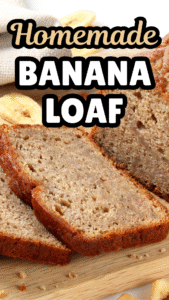
Stovetop Banana Bread
Got overripe bananas sitting on the counter? Perfect. Mix them into a simple batter and cook it in a covered, heavy-bottomed pan over low heat.
You’ll get a golden crust on the outside and a soft, sweet crumb inside. It’s comfort food at its finest, and it makes your kitchen smell like heaven.
Skillet Cinnamon Rolls
These are every bit as gooey and comforting as the oven kind, just faster. Roll out your dough, fill it with cinnamon sugar, and cook the rolls in a buttered skillet with a lid on top.
The steam keeps them soft while the skillet gives them that irresistible caramelized bottom. Top with a quick cream cheese glaze and watch them disappear.
No-Oven Pizza
Yes, pizza without an oven is possible, and delicious. Start with a thick skillet or nonstick pan. Cook your dough on one side until crisp, flip it, then add sauce, cheese, and toppings.
Cover with a lid to melt everything together. The result? A golden, bubbly pizza that’ll make you forget about delivery.
Mug Brownies
When the chocolate craving hits at midnight, the microwave comes to the rescue. In just one mug, mix flour, cocoa powder, sugar, oil, and a splash of milk.
Pop it in for about a minute, and boom—warm, fudgy brownie heaven. Add a scoop of ice cream on top if you’re feeling fancy.
Air Fryer Cookies
Your air fryer isn’t just for fries, but it’s a cookie machine in disguise. Spoon out cookie dough onto parchment paper, set the air fryer to about 160°C (320°F), and bake for 6–8 minutes.
They’ll come out golden on the edges, soft in the center, and ready to devour in record time.
Storage Tips for No-Oven Bakes
Keeping your no-oven creations fresh doesn’t require any special tricks, but just a little care and some common sense.
Stovetop and steamed goods tend to hold more moisture than oven-baked ones, so proper storage is key to keeping them from turning soggy or moldy.
Once fully cooled, store items like steamed cakes, skillet breads, or cinnamon rolls in airtight containers lined with a paper towel to absorb excess humidity.
For moisture control, never seal baked goods while they’re still warm because this traps steam and ruins texture fast.
If you’re storing them overnight, a second paper towel on top before sealing the lid helps balance things out. For longer-term storage, many no-oven bakes freeze surprisingly well.
Wrap slices of banana bread or portions of cake tightly in plastic wrap, then seal them in a freezer bag or container.
To reheat, use a microwave in short bursts or steam gently if you want to preserve the original softness, especially for steamed cakes.
Skillet items like cinnamon rolls or pizza slices can be revived in a covered pan over low heat.
Just remember: whether it’s baked with an oven or not, freshness depends on cool storage, tight sealing, and a little planning ahead.
Final Thoughts
You don’t need an oven or a fancy kitchen to bake something amazing. A stovetop, air fryer, or even a mug and a microwave can get the job done.
Get creative. Try a new method. Burn a pancake or two because it’s part of the fun.
And if you discover a new no-oven baking hack or recipe, share it! The world needs more sweet shortcuts!
FAQs
Can you bake cookies on a stovetop?
Yes! Use a heavy skillet (preferably nonstick or cast iron) over low heat. Shape your dough into small balls, flatten slightly, and cover the pan with a lid.
Cook for about 8–12 minutes, flipping halfway if needed. You won’t get a crispy edge like in the oven, but they’ll be soft, chewy, and totally satisfying.
How do I avoid soggy bottoms without an oven?
Use a trivet, salt bed, or ring stand inside your pot to lift your pan off direct heat. This prevents scorching and lets air or steam circulate better.
For steamed goods, wrap the lid in a towel to absorb condensation. Also, let your bakes cool on a wire rack or an uncovered surface so excess moisture can escape.
Is baking in an air fryer healthy?
It can be! Air fryers typically require little to no added fat, and the rapid circulation means faster cooking and less drying out.
If you’re watching ingredients, pair it with healthier batters like whole grains, less sugar, or dairy-free swaps. Bonus: it uses less energy than an oven.
Can I use a rice cooker to bake?
Absolutely. Many rice cookers have a “cake” setting or allow you to manually time and restart the cooking cycle. It works great for dense cakes, banana bread, and sponge-style bakes.
Just grease the inner pot well and let it cool before flipping out your creation.
What’s the best stovetop bake for beginners?
Start with banana bread or a simple chocolate cake using the steam or pot method.
They’re forgiving, don’t require fancy tools, and teach you how to control heat and moisture, which are two key elements in no-oven baking. Plus, they taste amazing even if they’re not picture-perfect.

Hi, I’m Sorenna Blythe, the baker and writer behind Mix Whisk Bake. I share simple, reliable recipes and honest kitchen moments to help home bakers bake with confidence and joy. When I’m not testing new treats, you’ll find me sipping coffee and dreaming up my next bake.