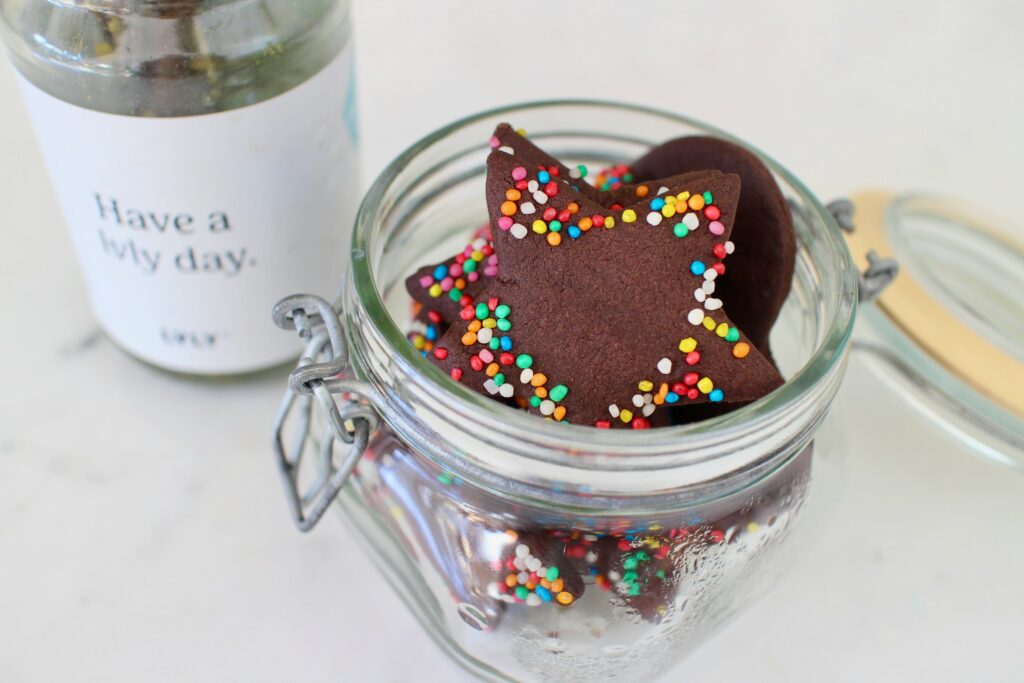
Cookies are pure comfort because they are crispy, chewy, sweet little bites of joy. Whether you’re baking a batch for yourself or sharing with friends, nothing beats that fresh-out-of-the-oven taste.
But here’s the catch: cookies don’t stay that perfect for long. One day they’re soft and dreamy, the next they’re dry, crumbly, or worse, soggy.
The good news? A few smart storage tricks can keep your cookies fresh and delicious much longer. Let’s make sure your next batch stays bakery-level amazing even days (or even weeks) after baking.
Understanding Cookie Types and Their Storage Needs
Before tossing every cookie into the same jar, it helps to know what kind of cookie you’re dealing with.
Soft vs. Crunchy Cookies
Soft cookies like chewy chocolate chip or oatmeal are all about moisture. That tender, melt-in-your-mouth texture depends on it.
To keep them soft, they need to be stored in airtight containers that lock in that moisture. A popular trick? Slip a slice of white bread into the container.
The cookies will absorb moisture from the bread instead of drying out.
Crunchy cookies, like biscotti, gingersnaps, or classic sugar cookies, are the opposite. They need to stay dry to stay crisp. Any moisture, even a little humidity, can make them lose their snap.
Store them in a dry, airtight container, but skip the bread. In fact, don’t even store them near soft cookies because moisture travels fast in enclosed spaces.
Moral of the story? Keep soft and crunchy cookies in separate containers, or you’ll end up with a weird batch of not-quite-anything.
Frosted, Filled, or Sandwich Cookies
Now we’re talking about the high-maintenance bunch. Frosted sugar cookies, jam-filled thumbprints, whoopie pies—these are the divas of the cookie world. And they need special treatment.
Frosted cookies should be stored in a single layer if possible. Stack them, and you risk frosting disasters.
If you absolutely must stack them, place a sheet of wax or parchment paper between each layer.
Keep them cool but not cold because refrigerators can dry them out or make frosting go weirdly stiff. A cool pantry or counter away from heat is usually fine for 2–3 days.
Filled or sandwich cookies (think peanut butter-filled or Nutella-stuffed) are trickier.
Any filling with dairy or moisture may require refrigeration, especially if you plan to keep them more than a couple of days.
Just wrap them tightly to prevent them from drying out or absorbing fridge odors. No one wants garlic-scented cookies.
Gluten-Free or Vegan Cookies
Gluten-free and vegan cookies often contain alternative flours, nut butters, or egg substitutes that affect shelf life.
Some stay fresh longer than traditional cookies; others dry out fast or become crumbly.
Many gluten-free cookies benefit from refrigeration because they’re more prone to spoilage—especially if they contain almond flour, coconut, or fresh fruit.
Vegan cookies, depending on the fat used (like coconut oil or avocado), may also soften or harden more quickly than you expect.
To be safe, store these cookies in airtight containers and test a few storage methods (counter, fridge, or freezer) to see what works best for your recipe.
Label and date them if you’re freezing a batch; you’ll thank yourself later.
General Storage Guidelines
You’ve baked the perfect batch—golden edges, gooey centers, maybe a sprinkle of sea salt if you’re fancy. But before you slide them into a container and call it a day, hold up.
Storing cookies the right way can make or break that fresh-from-the-oven magic. Let’s walk through the basics.
Cool Completely Before Storing
It’s tempting to rush. The smell of warm cookies has that power. But patience pays off here. Storing cookies while they’re still warm creates condensation inside the container.
That moisture clings to the cookies and can turn soft ones soggy and crisp ones limp.
Give your cookies time to cool on a wire rack—usually 20 to 30 minutes is enough. You want them at room temperature, not even a little bit warm. This one simple step keeps texture disasters at bay.
Separate Different Types
Think of cookies like roommates: some get along great, others clash completely. Mixing soft and crisp cookies in the same container is a recipe for disappointment.
The moisture from soft cookies will migrate to the crisp ones, making everything bland and chewy, but not in a good way.
Store chewy cookies with chewy cookies. Crunchy with crunchy. Frosted and unfrosted? Definitely separate. It’s not just about texture, but it’s about preserving flavor, freshness, and structure.
Your cookies worked hard to be their best selves, so don’t sabotage them at the finish line.
Use Airtight Containers
Air is the enemy of fresh cookies. It dries out soft cookies and softens crunchy ones. That’s why airtight containers are your best friend.
Plastic or glass containers with a tight-fitting lid work well. So do large resealable bags if you press the air out.
If you’re using a cookie tin (classic and cute), make sure it has a tight seal. Otherwise, line the tin with plastic wrap or an airtight inner bag to keep the air from creeping in.
Even a slice of bread tucked in with soft cookies can help balance moisture, but change it every couple of days to avoid mold.
Avoid Refrigeration (in Most Cases)
Unless you’re dealing with cream cheese frosting or a dairy-based filling, the fridge is not your cookie’s happy place.
Cold air can suck the moisture out of baked goods faster than you’d expect. Soft cookies go dry, and even crisp ones can lose their charm.
There are exceptions, like if you live in a super-hot climate or you’ve baked something perishable.
But for your average chocolate chip or snickerdoodle? Store at room temperature in a cool, dark spot. Your pantry is probably perfect.
Best Containers for Cookie Storage
Glass Jars with Sealing Lids
Glass jars aren’t just pretty, but they’re practical. They seal tightly, keeping out air and moisture while locking in that fresh-baked aroma.
Plus, they don’t absorb smells, so your chocolate chip cookies won’t start tasting faintly like the leftover spaghetti in your kitchen. They’re perfect for short- to medium-term storage (about 3–5 days), especially for crispy or plain cookies.
Just make sure the lid seals well—no loose tops allowed.
Bonus: they make your counter look like a cozy bakery window.
BPA-Free Plastic Containers
For everyday storage, BPA-free plastic containers are the go-to. They’re lightweight, affordable, and stack easily in your pantry.
The airtight seal helps soft cookies stay chewy while keeping crisp cookies from getting soggy.
If you’re storing multiple types of cookies, layer them with wax or parchment paper to prevent sticking or flavor transfer.
These containers also travel well, so they’re perfect for bake sales, parties, or late-night cookie deliveries to friends.
Resealable Freezer Bags (for Short-Term Storage)
Sometimes you don’t need fancy, but just fast. Resealable freezer bags are perfect for short-term storage or freezing small batches.
Press out as much air as possible before sealing, then label the bag with the cookie type and date. They’re especially handy when freezing cookie dough balls or individually baked cookies.
Just lay the bag flat to save space and prevent breakage. Think of them as cookie “sleeping bags” because they are snug and protective.
Cookie Tins with Tight Lids
A true classic. Cookie tins aren’t just nostalgic, as they’re excellent for keeping cookies fresh, especially crisp or delicate ones. The metal helps block light and air, while the snug lid keeps things crunchy.
If your tin isn’t perfectly airtight, line it with wax paper or plastic wrap before adding cookies. Stack carefully, separating layers with parchment paper to avoid breaking or smudging decorations.
These tins also make perfect gift containers because they are practical and charming all at once.
Freezing Cookies for Long-Term Freshness
Freezing cookies is like hitting the pause button on deliciousness because it locks in flavor, texture, and freshness until you’re ready to enjoy them again.
If you’ve baked a big batch or just want to save some for future cravings, freezing is your best friend. To freeze baked cookies, let them cool completely first.
Wrap each cookie individually in plastic wrap or layer them between sheets of parchment paper inside an airtight container or freezer bag.
This keeps them from sticking together and protects against freezer burn. Most cookies will stay fresh for up to three months this way. For even more convenience, try freezing cookie dough instead.
Scoop the dough into balls and place them on a baking sheet to freeze for about an hour. Once firm, transfer them to a labeled freezer bag or container.
When the craving hits, just bake straight from frozen and add an extra minute or two to the baking time, and you’re set. Finally, when it’s time to enjoy your frozen cookies, don’t rush the thaw.
Let them come to room temperature inside their bag or container so condensation forms on the outside, not the cookies themselves. That simple trick keeps them from turning soggy.
Common Mistakes to Avoid
Even the best cookies can lose their magic if stored the wrong way. It’s not always about what you do, but sometimes it’s what you don’t do that makes the biggest difference.
Let’s break down a few common cookie storage mistakes that might be spoiling your batch without you realizing it.
Storing Warm Cookies
This one tops the list. Warm cookies might seem ready to tuck away, but don’t fall for that trap. Storing them before they’re fully cool causes condensation to form inside the container.
That moisture turns chewy cookies into mush and crispy cookies into sad, rubbery discs. Always let your cookies cool completely on a wire rack before sealing them up. A little patience goes a long way.
Mixing Types of Cookies
You wouldn’t pack a wet towel in the same bag as your dry clothes, right? The same logic applies here. Soft, chewy cookies give off moisture. Crisp cookies soak it up.
Put them in the same container, and everyone ends up disappointed. Instead, store each type separately to preserve their unique texture.
Keep your snickerdoodles away from your biscotti, and all will be well in the cookie jar.
Refrigerating Unnecessarily
Unless your cookies have perishable fillings or frostings, the fridge is more foe than friend. It sucks moisture out of baked goods, leaving even the chewiest cookie dry and crumbly.
Plus, cookies tend to absorb weird fridge smells. Garlic-scented shortbread? No thanks. Room temperature in an airtight container is your best bet for most varieties.
Only refrigerate if the recipe or ingredients truly call for it.
Using Low-Quality Bags/Containers
A flimsy sandwich bag or a cracked lid on a plastic tub might not seem like a big deal until your cookies go stale in two days flat.
Thin plastic doesn’t keep air out for long, and poorly sealed containers invite dryness and flavor loss.
Invest in good-quality airtight containers, BPA-free storage bins, or thick freezer bags. A proper seal means longer freshness and better flavor.
Bonus Tips for Gifting and Storing Cookies for Events
When it comes to gifting cookies or prepping them for parties, presentation and freshness go hand in hand.
No one wants to bite into a stale sugar cookie at a baby shower or unwrap a gooey mess at Christmas.
Start by wrapping each cookie or small stacks in cellophane or wax paper to keep them from sticking together or losing their texture.
Wax paper is especially great if you’re stacking them in layers, while cellophane looks clean and festive for gifting.
For crispy cookies like biscotti or gingersnaps, add a food-safe desiccant pack (the kind you find in snack packaging) to help absorb moisture and keep that satisfying crunch intact.
Just make sure it’s labeled as food-safe and clearly separated from the cookies themselves. Finally, store your wrapped cookies in metal tins with tight lids until it’s time to serve or gift them.
Tins block out light and air, helping preserve both flavor and appearance. Plus, they’re charming, reusable, and scream “I baked these with love.”
Final Thoughts
Cookie storage isn’t rocket science, but it does make a big difference. A few smart moves can keep your cookies tasting bakery-fresh instead of bland and stale.
Try out different methods depending on the cookie—chewy, crispy, frosted, or frozen. See what works best for your favorites!
FAQs
Can I freeze frosted cookies?
Yes, but do it carefully. Let the frosting set completely first, then place the cookies in a single layer on a baking sheet to freeze.
Once solid, layer them between parchment paper in an airtight container. Thaw at room temperature—still stacked—to avoid smudging the frosting.
What’s the best way to revive slightly stale cookies?
Pop them in a 300°F (150°C) oven for 3–5 minutes. It helps bring back a bit of crispness or soften a chewy cookie slightly.
Just don’t overdo it because they dry out fast. Let them cool before eating for the best texture.
How long do homemade cookies last?
At room temperature, most cookies stay fresh for 3–5 days in an airtight container. Freeze them for longer storage—up to 3 months for both baked cookies and dough.
Filled or frosted cookies may have a shorter shelf life, especially if dairy is involved.
Can I store cookies with fruits or jam?
Only if you’re eating them soon. Moist fillings like jam or fresh fruit shorten shelf life and can make cookies soggy.
Store them in a single layer, in the fridge if needed, and eat within 1–2 days for the best texture and taste.
Do I need to refrigerate cookies with cream cheese frosting?
Yes, definitely. Cream cheese is perishable and needs refrigeration to stay safe.
Store those cookies in an airtight container in the fridge and bring them to room temp before serving for the best flavor and texture.

Hi, I’m Sorenna Blythe, the baker and writer behind Mix Whisk Bake. I share simple, reliable recipes and honest kitchen moments to help home bakers bake with confidence and joy. When I’m not testing new treats, you’ll find me sipping coffee and dreaming up my next bake.