The first time I made pie crust, it turned out more like a cracker than something you’d want under apple filling. Tough, bland, and definitely not flaky.
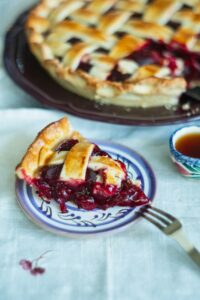
But once I cracked the code? Total game-changer. That first buttery, golden crust that shattered just right under a fork—I never looked back.
A flaky crust isn’t just about looks. It’s the thing that makes a pie go from “meh” to memorable. It holds everything together, but it also makes the bite.
If you’ve ever been scared off by pie dough, you’re not alone. But trust me, once you understand a few simple tricks, you’ll be making crust like a pro. Every single time.
The Science Behind a Flaky Crust
Flakiness in a pie crust comes down to visible, tender layers that break apart gently when you bite into them and not crumble like a cookie or chew like bread. The magic starts with fat.
Cold, solid fat like butter or shortening gets cut into the flour so that little chunks remain intact.
When the dough bakes, the water in the fat turns into steam, pushing the dough layers apart and creating those signature flakes.
But it’s not just about the fat because it’s also about how you handle the flour. Flour contains protein, and when mixed with water, it forms gluten.
Too much gluten makes a crust tough and stretchy, which is the opposite of flaky. That’s why you want to add water slowly and mix the dough just until it holds together.
The less you mess with it, the better. And then there’s chilling because it’s not just to buy time before baking.
Cold dough firms up the fat again, stops gluten from overdeveloping, and helps prevent shrinking in the oven. Skipping this step is like skipping sleep before a big day; your crust will show it.
So when you hear “flaky,” think of it as a team effort between cold fat, gentle mixing, and just enough water, all wrapped up in patience and a chilled dough.
Ingredients You’ll Need (With Purpose)
- All-purpose flour –
The base of your dough. It provides structure and bulk, but too much handling can activate the gluten and make the crust tough. - Cold butter (or shortening) –
Key to flakiness. Those solid chunks of fat melt in the oven, creating steam pockets that form crispy, tender layers. - Ice-cold water –
Helps the dough come together without warming the fat. Cold water also slows gluten development, which keeps the crust tender. - Salt –
Brings out the flavor. A pinch goes a long way in making the crust taste balanced and not bland. - Optional: vinegar or vodka –
A small splash helps limit gluten formation. It moistens the dough without encouraging toughness, giving you a more tender bite.
Essential Tools
- Mixing bowl –
Where it all begins. You’ll use this to combine your flour, fat, and water without overworking the dough. - Pastry cutter or food processor –
Helps cut cold butter into the flour quickly and evenly. A pastry cutter gives more control, while a food processor speeds things up, but just don’t overdo it. - Rolling pin –
Crucial for rolling out your chilled dough evenly. A smooth, consistent roll helps avoid thin patches and cracking. - Parchment paper or silicone mat –
Makes rolling and transferring dough much easier. It also prevents sticking and minimizes cleanup. - Plastic wrap –
Used to wrap and chill the dough. It keeps moisture in and helps the dough relax before rolling. - Pie dish or tart pan –
The final destination. Whether you’re making a classic apple pie or a savory quiche, this is where your crust will shine.
Step-by-Step Instructions (With Tips for Success)
1. Chill Everything First
Start cold, stay cold. That’s the golden rule of flaky crusts.
Before you even touch the flour, pop your butter in the freezer for 10 minutes, chill the water with ice cubes, and if it’s a hot day, toss your mixing bowl and pastry cutter in the fridge too.
Cold ingredients prevent the butter from melting into the flour, which is what keeps those flaky layers intact.
Warm butter blends too much and gives you a dense, greasy crust, which is not what we’re going for.
2. Cut in the Butter
Once your flour and salt are mixed, it’s time to cut in the butter. Use a pastry cutter, two forks, or even your fingers (if they’re cool).
The goal is to break the butter into small, pea-sized chunks—some slightly bigger, some smaller.
Don’t aim for perfection here. Those irregular bits are what create pockets of steam and form flake heaven when the crust bakes.
3. Add Water Slowly
Now for the trickiest part: adding just enough water. Drizzle in a tablespoon at a time, mixing gently between each addition. The dough should start clumping together, but not feel wet.
If it holds when you squeeze a bit in your hand, it’s ready. Too much water and your dough gets sticky and tough; too little and it crumbles apart. It’s a balance, but you’ll get the hang of it.
4. Form and Chill the Dough
Turn your shaggy dough onto a clean surface and gently bring it together into a ball. Don’t knead it—just pat it into a disk about 1 inch thick.
Wrap it tightly in plastic wrap and chill it for at least 30 minutes. This rest time lets the gluten relax and the butter firm back up. That means easier rolling and fewer cracks later.
5. Roll It Out Gently
Lightly flour your surface and rolling pin, then roll the dough from the center outward. Don’t push too hard because gentle pressure is key.
Rotate the dough a quarter turn every few rolls to keep it even and circular. If the edges crack, patch them gently with your fingers or fold them slightly inward. Aim for about ⅛-inch thickness.
6. Transfer and Shape
To transfer the dough, roll it loosely around your rolling pin and unroll it over your pie dish. Let it gently fall into place; don’t stretch or tug it.
Press it lightly into the corners, then trim the overhang, leaving about ½ inch to tuck under or crimp. Stretching the dough now leads to shrinking later, so be kind and gentle here.
7. Chill Again Before Baking
This step gets skipped way too often. Chill the shaped crust in the fridge for another 15–30 minutes before baking.
This firms up the fat again and helps the crust hold its shape in the oven. Think of it as the final insurance policy against shrinkage and sagging sides.
8. Blind Baking (If Needed)
Making a cream pie or quiche? You’ll need to blind bake the crust first. Poke the bottom with a fork to prevent bubbles, line it with parchment paper, and fill with pie weights, dried beans, or rice.
Bake at 375°F (190°C) for about 15–20 minutes, then remove the weights and bake for another 5–10 minutes until lightly golden. This ensures a crisp, cooked base that won’t turn soggy under soft fillings.
Pro Tips for Flaky Success
Always Keep Ingredients Cold
Cold is your secret weapon. Every time the butter softens too soon, those flaky layers disappear like a magic trick gone wrong.
Keep your butter in the fridge until the moment you need it, use ice-cold water, and even chill your tools if your kitchen runs warm.
The colder everything stays, the less the fat melts before baking, and that means steam can do its job to puff up the crust into beautiful, crisp layers.
Use Your Hands Minimally
Warm hands are a pie crust’s worst enemy. The more you touch the dough, the more you risk melting the butter and overworking the gluten.
Use tools whenever possible, like a pastry cutter, spatula, or even a bench scraper. If you must handle the dough directly, do it quickly and confidently.
Fold Dough Like a Letter for Extra Layers (Lamination Hack)
Here’s a little baker’s cheat code: fold your dough. After it’s come together but before the final chill, gently roll it out into a rectangle, fold it into thirds like a business letter, and then roll it out again.
This simple move layers butter and dough just like puff pastry, giving your pie crust a boost of extra flakiness without the extra effort. It’s a small step that makes a big, buttery difference.
Use a Marble Rolling Pin or Cold Countertop
A warm surface can sabotage your dough in seconds. Marble or stone surfaces stay cool naturally, making them perfect for rolling out pastry.
If you don’t have one, no worries, just refrigerate your rolling pin for a few minutes before using it. That small temperature difference can keep your dough firm and easy to work with.
Don’t Skip Resting the Dough—It Relaxes Gluten
It’s tempting to rush straight from mixing to baking, but patience truly pays off here. Resting gives the gluten time to relax, which keeps your crust from shrinking and cracking in the oven.
It also helps redistribute moisture evenly throughout the dough. So treat chilling as part of the recipe, not an optional break, because it’s the difference between “pretty good” and “wow, did you make this?”
Patch Cracks with Extra Dough, Not Water
Cracks happen, even to seasoned bakers. When they do, don’t panic and definitely don’t reach for water. Water can make the area tough and sticky.
Instead, patch any gaps with a small piece of leftover dough, pressing it in gently like you’re tucking in a blanket. It’ll blend right in when baked, and no one will ever know the difference.
Variations to Try
All-Butter Crust vs. Butter + Shortening
If you want rich flavor and golden, crisp edges, an all-butter crust is your best friend. Butter gives your dough that deep, slightly nutty taste and beautiful browning.
But if you’re after maximum flake, consider swapping in some shortening.
A half-butter, half-shortening blend gives you the best of both worlds—flavor from the butter, tenderness and structure from the shortening.
Shortening has a higher melting point, so it holds its shape longer in the oven, which means more defined layers. Test both and see which camp you fall into—Team Butter or Team Combo.
Sweet Crust (Add Sugar)
Want a crust that leans dessert all on its own? Stir a tablespoon or two of sugar into your flour before adding fat.
This adds a subtle sweetness that pairs beautifully with fruit pies, custards, and chocolate fillings. A sweet crust also browns faster, thanks to the sugar, so keep an eye on it while it bakes.
You can even try brown sugar for a deeper flavor twist, especially with spiced or nutty fillings.
Savory Crust (Add Herbs or Cheese)
Pie crust isn’t just for dessert. If you’re making a quiche or savory galette, level up the dough by mixing in chopped fresh herbs like thyme, rosemary, or chives.
Want a little indulgence? Add finely grated cheese like Parmesan or aged cheddar right into the dough. It bakes into crispy, golden bits that add loads of flavor.
Just keep the additions dry and well-blended with no wet ingredients, or your dough texture might go sideways.
Whole Wheat or Gluten-Free Adaptations
If you’re trying to bake a bit healthier or need a gluten-free option, don’t worry, because pie crust still has your back. For a heartier version, swap half of the all-purpose flour with whole wheat flour.
It adds a nutty depth and pairs especially well with apple or pumpkin pies. For gluten-free bakers, use a 1:1 gluten-free flour blend that includes xanthan gum or add a bit yourself.
Gluten-free dough tends to be more delicate, so roll it out between two sheets of parchment and use extra care when transferring to your pan.
It may take some trial and error, but yes, you can still have a flaky, gluten-free crust.
Storage Tips
Pie crust dough is the kind of thing you can absolutely make ahead, and it actually gets better with a little rest.
If you’ve made a batch but aren’t ready to bake, wrap the raw dough tightly in plastic wrap and stash it in the fridge for up to 2 or 3 days. It’ll stay cold, hydrated, and ready to roll when you are.
For longer storage, freeze the dough in a flat disk and double-wrap it. A plastic wrap plus a zip-top bag does the trick. It’ll keep well for up to 2 months.
When you’re ready to use it, thaw it overnight in the fridge, but never on the counter, or you risk butter meltdown. You can also freeze fully rolled-out crusts in pie pans.
Just wrap the whole pan tightly and pop it into the freezer. When you need a shortcut on pie day, it’s a lifesaver.
Prefer to par-bake ahead? Go for it—blind bake your crust, let it cool, then freeze the shell in the pan. It’ll hold up beautifully for quick quiches or custard pies down the line.
Final Thoughts
Flaky pie crust isn’t about being perfect, but it’s about paying attention, keeping things cold, and not overthinking it. The more you practice, the better it gets.
Once you’ve nailed the crust, go wild with the fillings. And hey, if you’re proud of your pie (you should be), snap a pic and tag us. We’d love to see your crusty creations in action!
FAQs
Can I use a food processor instead of a pastry cutter?
Yes, absolutely. A food processor can make quick work of cutting butter into flour.
Just pulse, don’t blend, and stop when the butter pieces are pea-sized. Over-processing can turn your dough gummy, so less is more.
Why is my crust cracking while rolling?
Cracks usually mean the dough is too cold or too dry. Let it sit at room temperature for 5–10 minutes to soften slightly, then try again.
If it’s still crumbly, lightly mist with cold water and knead gently to bring it back together.
How do I keep my crust from getting soggy?
Blind bake for wet fillings like custards or fruit. You can also brush the crust with egg white or melted chocolate to create a moisture barrier.
Bake on the lower oven rack to crisp up the bottom faster.
Can I make pie dough in advance?
Yes, and you should! Pie dough can rest in the fridge for up to 3 days or freeze for up to 2 months.
Let it thaw in the fridge overnight before rolling. Chilled dough is easier to handle and bakes up flakier.
What’s better: butter or shortening?
Butter gives unbeatable flavor and golden color. Shortening adds structure and serious flakiness.
For the best of both worlds, many bakers use a 50/50 mix. Try both and see what works for your style (and taste buds).
How to Make a Flaky Pie Crust Every Time
Difficulty: Easy1
servings15
minutes20
minutes45
minutesA foolproof, buttery pie crust that bakes up golden, tender, and irresistibly flaky—perfect for sweet or savory pies.
Ingredients
1 ¼ cups all-purpose flour
½ cup (1 stick) cold unsalted butter, cubed
¼ tsp salt
3–5 tbsp ice-cold water
Optional: 1 tsp vinegar or vodka (to reduce gluten)
Directions
- In a mixing bowl, whisk flour and salt together.
- Cut in cold butter using a pastry cutter or food processor until pea-sized pieces remain.
- Gradually add ice water, one tablespoon at a time, mixing just until the dough holds together.
- Shape into a flat disk, wrap in plastic, and chill for at least 30 minutes.
- On a lightly floured surface, roll the dough from the center outward to about ⅛-inch thick.
- Transfer to a pie dish, gently pressing without stretching. Trim and crimp edges.
- Chill again for 15–30 minutes.
- For blind baking: dock the crust, line with parchment, fill with pie weights, and bake at 375°F (190°C) for 15–20 minutes. Remove weights and bake 5–10 minutes more if needed.
Notes
- For extra flakiness, fold the dough like a letter before the final chill.
- Freeze the wrapped dough for up to 2 months.
- Double the recipe for a double-crust pie.

Hi, I’m Sorenna Blythe, the baker and writer behind Mix Whisk Bake. I share simple, reliable recipes and honest kitchen moments to help home bakers bake with confidence and joy. When I’m not testing new treats, you’ll find me sipping coffee and dreaming up my next bake.