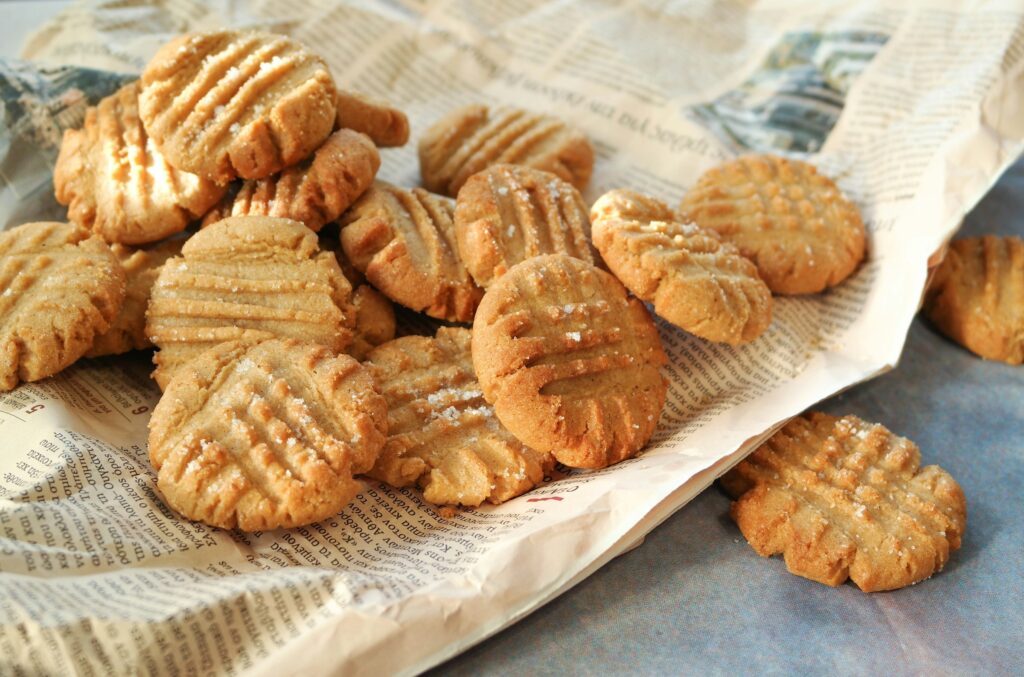
Peanut butter and oatmeal are a match made in cookie heaven. One brings rich, nutty flavor, and the other adds hearty texture that feels like a warm hug.
These cookies bake up soft and chewy with lightly crisp edges, which is just the way a good cookie should be.
If you love easy treats that taste like pure comfort, you’re about to meet your new favorite recipe.
Why You’ll Love These Peanut Butter Oatmeal Cookies
Soft, chewy, and packed with peanut butter flavor
These cookies hug your teeth because they are soft inside, slightly springy, and never dry. Each bite delivers warm, nutty peanut butter that plays well with the oats.
The oats add a gentle chew that keeps the cookie from feeling one-note.
Simple pantry ingredients
You don’t need a scavenger hunt to make these. Most items are things you already have: peanut butter, oats, sugar, butter, eggs, and a bit of flour. No weird extras or specialty flours.
That means less prep and fewer trips to the store. It’s weekday baking, not a Food Network marathon.
No chilling required
Skip the waiting game. This dough is ready to bake as soon as it’s mixed. No overnight plans or fridge marathons. Want thicker cookies? A quick 15–20 minute chill helps, but it’s optional.
Perfect for last-minute cravings or when kids text “Cookies now!”
Great for lunchboxes, snacks, or make-ahead treats
They travel well. Pack one with a banana, and you’ve got a solid lunchbox hero. Cool, store, and they stay soft for days in an airtight container.
Want to plan ahead? Freeze dough balls and bake straight from frozen. They’re a small victory you can pull from the freezer when life gets busy.
Ingredients Needed
- Creamy peanut butter
Provides rich flavor and helps create that soft, chewy texture. Creamy works best for smooth mixing and even cookies. - Butter
Adds moisture and helps the cookies spread just the right amount. It also gives the edges a light crisp. - Brown sugar + granulated sugar
Brown sugar brings chewiness and caramel notes, while granulated sugar adds structure and a bit of crispness. - Eggs
Bind the dough together and keep the cookies soft. They also add a little lift. - Vanilla extract
Rounds out the flavors and gives the cookies a warm, bakery-style aroma. - Old-fashioned rolled oats
Add hearty texture and chew. They hold up better than quick oats and keep the cookies from getting mushy. - All-purpose flour
Provides structure so the cookies don’t fall apart. Just enough to hold the dough together without drying it out. - Baking soda
Helps the cookies rise and spread evenly while baking. - Salt
Balances the sweetness and brings out the peanut butter flavor. - Optional add-ins (chocolate chips, chopped peanuts, raisins)
Make the cookies your own—add chocolate for sweetness, peanuts for crunch, or raisins for a chewy twist.
Step-By-Step Instructions
1. Cream butter, peanut butter, and sugars
Use room-temperature butter so it creams easily.
Beat butter, creamy peanut butter, brown sugar, and granulated sugar until light and slightly fluffy — about 2–3 minutes with a hand mixer, a little longer by hand.
Scrape the bowl once or twice. You want a smooth, even mixture, not lumps. This step traps air and gives the cookies a tender crumb.
2. Add eggs and vanilla
Add eggs one at a time, mixing until each one is fully incorporated. Stir in vanilla extract. Mix just until combined. Don’t overwork the batter here because too much mixing makes cookies tough.
If the batter looks a bit glossy, you’re on the right track.
3. Whisk dry ingredients separately
In a separate bowl, whisk together all-purpose flour, baking soda, and salt. This makes sure the leavener is evenly distributed and prevents pockets of baking soda in the dough.
Tip: measure flour correctly — spoon it into the cup and level it off for accurate texture.
4. Combine wet and dry
Add the dry mix to the wet in two additions, folding gently until almost combined. Then fold in the old-fashioned rolled oats until the dough is uniform. Avoid vigorous mixing.
You want everything just married, not overworked. If you’re adding chocolate chips, nuts, or raisins, fold them in now.
5. Scoop dough onto baking sheets
Use a cookie scoop or two tablespoons to portion dough. Drop dough balls onto parchment-lined or silicone-lined baking sheets, leaving about 2 inches between each cookie.
This prevents them from crowding and smooshing into one another like awkward party guests.
6. Flatten slightly for even baking
These cookies don’t need heavy pressing, but give each ball a gentle flatten with the back of a spoon or your hand. Aim for a disk about 1/2 inch thick.
Flattening helps them bake evenly and develop those lightly crisp edges we all love.
7. Bake until lightly golden and set
Preheat oven to 175°C (350°F). Bake 10–12 minutes, rotating the sheet halfway through if your oven runs hot.
Look for lightly golden edges and centers that still look a touch soft; they’ll finish setting as they cool.
Don’t overbake; these cookies are best when slightly underdone in the middle.
8. Cool on a wire rack
Let cookies rest on the baking sheet for 3–5 minutes, then transfer to a wire rack to cool completely. This stops carryover baking and keeps them from getting soggy.
If you can resist, wait until fully cool before stacking. Fresh cookies are tempting, but patience rewards you with the best texture.
Tips for the Best Peanut Butter Oatmeal Cookies
Measure flour correctly
Too much flour makes dry, dense cookies. Spoon flour into your measuring cup, then level it off with a knife.
Or use a kitchen scale — 1 cup all-purpose flour ≈ 125 g — for rock-solid consistency. Little differences matter in baking, so measure like you mean it.
Don’t overbake — cookies continue to set as they cool
Pull them when edges are golden, and centers still look slightly soft. They’ll finish firming on the hot sheet. Err on the slightly underdone side for chewy results.
Use room-temperature ingredients
Butter and eggs at room temperature mix together faster and more evenly. That gives you a smooth dough and a consistent bake.
Cold eggs can make the batter seize. Warm butter helps trap air for a lighter bite.
For thicker cookies, chill the dough briefly
If you want chunkier cookies, pop the dough in the fridge for 15–30 minutes. Chilling firms the fat so the cookies spread less.
No time? Scoop and freeze dough balls, then bake from frozen. Add a couple of extra minutes to the bake time.
Variations
Peanut butter chocolate chip oatmeal cookies
Stir in about 3/4 cup chocolate chips for a sweet, melty contrast to the nutty base. Use semi-sweet or milk chocolate, depending on how sweet you want them.
Fold chips in gently so they don’t melt into the dough before baking. If you love pockets of gooey chocolate, press a few extra chips onto each cookie before baking.
Peanut butter oatmeal raisin
Swap chocolate for 3/4 cup raisins for a classic, chewy twist. Soak raisins in warm water or a splash of rum for 5–10 minutes if you want juicier bites.
Toss them in a little flour before folding in so they don’t sink to the bottom. This version is great if you want sweetness without extra chocolate.
Add chopped nuts for crunch
Chopped peanuts, pecans, or walnuts add a nice contrast to the soft cookie. Use about 1/2–3/4 cup, roughly chopped.
Toast the nuts briefly in a dry pan for extra flavor, then cool before adding. Nuts give texture and make the cookies feel a little more grown-up.
Add Reese’s Pieces or mini peanut butter cups
Drop in 3/4 cup Reese’s Pieces or quartered mini cups for a candy-shop vibe. These melt differently — mini cups stay chunkier, Reese’s Pieces keep their color and crunch.
If using mini cups, press a few on top after baking for a picture-perfect finish. This is the one to make when you need a smile in cookie form.
Storage & Freezing
Store cooled cookies in an airtight container at room temperature for 4–5 days, and tuck a slice of bread in the box if you want them extra soft (the bread shares its moisture).
To freeze baked cookies, cool them completely, layer them between sheets of parchment in a freezer-safe container or heavy-duty zip-top bag, press out the air, label with the date, and they’ll keep well for up to 3 months.
To enjoy, thaw at room temperature for 30–60 minutes or warm them in a 150–160°C (300–325°F) oven for 5–7 minutes to bring back that just-baked feeling.
For cookie dough balls, portion the dough onto a baking sheet and flash-freeze until firm (about 1–2 hours), then transfer the frozen balls to a labeled bag or container, and bake straight from frozen, adding 2–4 minutes to the usual bake time and spacing them a bit wider on the sheet because frozen dough spreads differently.
If you prefer to freeze a full batch on a sheet, wrap the whole tray tightly in plastic, then in foil, and defrost in the fridge overnight before baking.
Always cool baked goods fully before freezing to avoid ice crystals, and write the bake instructions (oven temp and extra minutes) on the bag so you aren’t left guessing in the future.
Serving Suggestions
These cookies are natural crowd-pleasers, and they fit into almost any moment of the day.
Enjoy them with a cold glass of milk, dunk them in your morning coffee, or slip one into a lunchbox for a quick pick-me-up that actually feels satisfying.
If you want to take things up a notch, turn them into ice-cream sandwiches — just spoon your favorite ice cream between two cookies and press gently.
Freeze them for a firmer bite or enjoy right away for a softer, melty treat. Either way, it’s a dessert that never overstays its welcome.
FAQs
Can I use natural peanut butter?
Yes, but choose a brand that’s thick and not overly oily. Stir it very well before measuring.
If it’s too runny, the cookies may spread too much, so you might need a tablespoon or two of extra flour to balance the dough.
Can I use quick oats?
You can, but the texture will change. Quick oats make the cookies softer and less chewy. If that’s the texture you prefer, go for it. If you want classic chew, stick with old-fashioned rolled oats.
Why are my cookies dry?
Dry cookies usually mean too much flour or overbaking. Measure flour gently and pull the cookies when the centers still look a bit soft.
They’ll finish setting on the baking sheet. Also, check that your peanut butter isn’t too thick or dry.
Can I make these without flour?
Not with this exact recipe. Flour helps hold the structure and balance the moisture. If you need a flourless option, use a recipe specifically developed for flourless peanut butter oatmeal cookies.
Can I make them gluten-free?
Yes. Use a 1:1 gluten-free baking flour and make sure your oats are certified gluten-free. The texture might be slightly softer, but still delicious.
How do I keep the cookies soft?
Store them in an airtight container and add a slice of bread or a few marshmallows to help maintain moisture.
Don’t overbake, and let them cool completely before sealing the container. This keeps the steam from hardening the cookies.
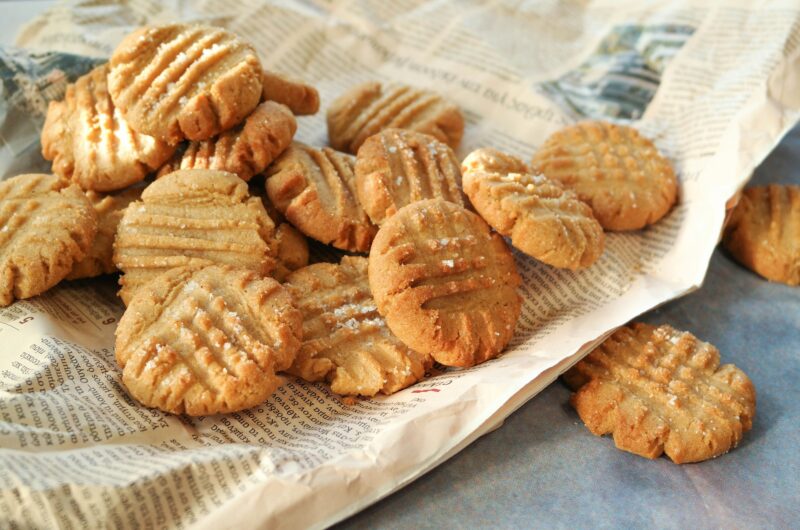
Soft & Chewy Peanut Butter Oatmeal Cookies (Simple & Delicious)
Difficulty: Easy24
Cookies10
minutes12
minutes22
minutesSoft, chewy peanut butter oatmeal cookies made with simple ingredients and ready in minutes.
Ingredients
1/2 cup unsalted butter, softened
1 cup creamy peanut butter
1/2 cup brown sugar
1/2 cup granulated sugar
2 large eggs
1 tsp vanilla extract
1 1/4 cups all-purpose flour
1 tsp baking soda
1/2 tsp salt
1 1/2 cups old-fashioned rolled oats
Optional: 3/4 cup chocolate chips, chopped nuts, or raisins
Directions
- Preheat oven to 175°C (350°F). Line baking sheets with parchment paper.
- Cream butter, peanut butter, brown sugar, and granulated sugar until smooth and fluffy.
- Mix in eggs and vanilla until combined.
- In a separate bowl, whisk together flour, baking soda, and salt.
- Add dry ingredients to the wet mixture, then fold in oats and any optional add-ins.
- Scoop dough onto prepared baking sheets and gently flatten each ball.
- Bake for 10–12 minutes or until edges are lightly golden and centers look slightly soft.
- Cool on the baking sheet for 3 minutes, then transfer to a wire rack to finish cooling.
Notes
- Don’t overbake because cookies firm up as they cool.
- For thicker cookies, chill the dough for 15–30 minutes.
- Store in an airtight container for 4–5 days or freeze dough balls for future baking.

Hi, I’m Sorenna Blythe, the baker and writer behind Mix Whisk Bake. I share simple, reliable recipes and honest kitchen moments to help home bakers bake with confidence and joy. When I’m not testing new treats, you’ll find me sipping coffee and dreaming up my next bake.