Whipped up dinner and realized you forgot the bread?
Don’t worry, I’ve been there, staring at an empty counter like it personally betrayed me. That’s exactly why this quick flatbread recipe exists. It’s simple, fast, and ready in 30 minutes flat.
No yeast. No rising. No waiting around while your stomach growls. Just a few pantry staples, a warm skillet, and a little faith in the magic of homemade bread.
Use it for wraps, dips, mini pizzas, or whenever you need something soft and delicious on the table right now. Once you try it, you’ll wonder how you ever cooked without it!
Why You’ll Love This Recipe
Ready in 30 minutes
No long waits, no timers that own your evening. Mix, shape, and cook. That’s it.
Most batches take about 10 minutes to prep and 20 minutes to cook, even if you’re poking the dough like it’s a shy puppy.
Perfect for nights when hunger arrives before your plans do.
Requires simple ingredients
You won’t need a grocery run or fancy flours. Think flour, a leavening agent, a little liquid, salt, and oil — staples you probably already have.
Swap-ins are welcome: milk or plant milk, plain yogurt, or a dairy-free version. Simple pantry staples mean fewer headaches and more dinners.
Soft, flexible, and delicious
These flatbreads bend without snapping and taste better than store-bought wrappers. The dough stays tender when you don’t overwork it.
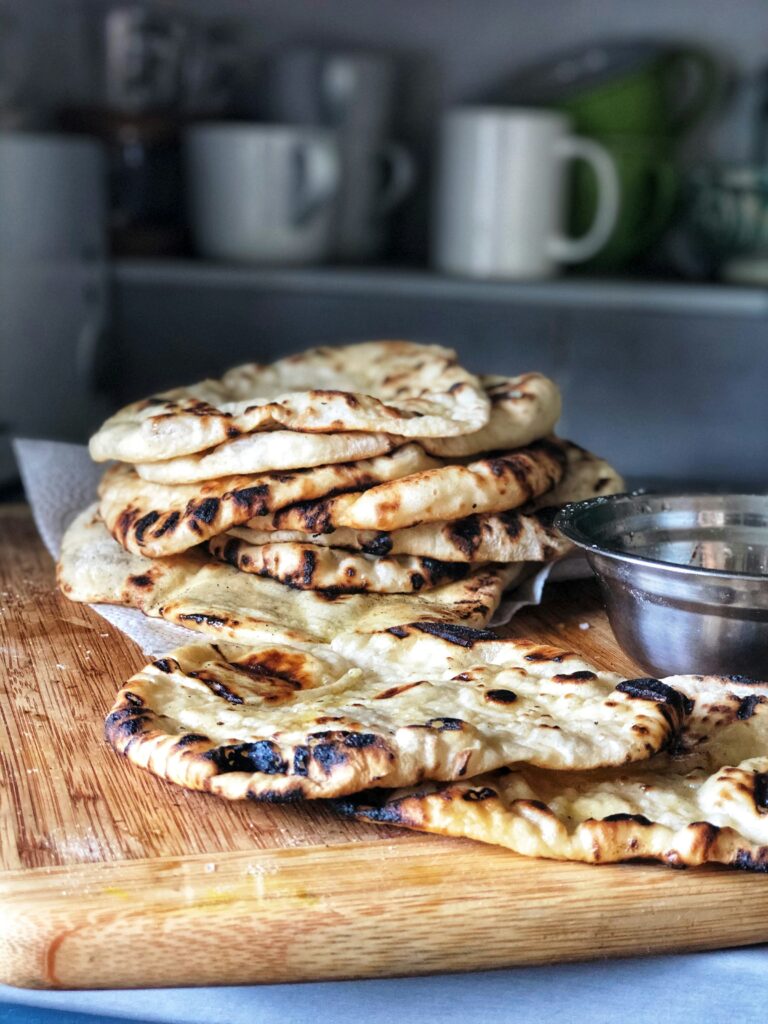
Cook them just right, and you get golden spots, soft pockets, and a bite that makes simple meals feel special.
Works on a skillet — no oven needed
All you need is a hot pan and a steady flame. No preheating or heat-hungry oven required.
This method works on gas, electric, or even a cast-iron for that perfect char.
Great for beginners
This recipe forgives mistakes. Dough that’s a touch sticky can still be rescued. Rolling shapes don’t have to be perfect. If you can stir, pat, and flip, you can pull this off.
Ingredients You’ll Need
- All-Purpose Flour
The base of your dough. It keeps the flatbread soft and easy to roll. You can swap part of it for whole wheat flour if you want a slightly nuttier flavor. - Baking Powder
This replaces yeast and gives the flatbread a little lift. It helps keep the texture light instead of dense or tough. - Yogurt or Milk
Yogurt makes the dough tender and slightly tangy, while milk gives it a smooth, soft finish. Either option works beautifully, so use what’s already in your fridge. - Salt
A small but mighty ingredient. Salt enhances the flavor and balances the dough so it doesn’t taste flat or bland. - Oil
A splash of oil keeps the dough moist and flexible. It also helps the flatbreads cook without drying out or sticking to the pan.
Optional Add-Ins
- Garlic
Fresh or powdered, it adds instant flavor and makes your kitchen smell incredible. - Herbs
Think parsley, oregano, basil, or thyme. They give your flatbread a fresh, aromatic boost. - Butter
Brush melted butter on top for a richer, softer finish. Garlic butter is even better. - Spices
Paprika, cumin, chili flakes, or za’atar can turn each flatbread into something new and exciting with almost no effort.
Step-by-Step Instructions
1. Prepare the Dough
Start by whisking the dry ingredients together in a bowl so the baking powder and salt are evenly spread.
Make a well in the center, add your yogurt or milk and the oil, and fold gently until a shaggy dough forms. Use your hands to bring it together, but don’t overwork it; think gentle pats, not a boxing match.
If it feels sticky, sprinkle a little flour; if it’s crumbly, add a splash of milk or yogurt. Aim for a soft, slightly tacky ball that holds together.
Let it rest for 5–10 minutes if you like; short rests help gluten relax and make rolling easier.
2. Shape the Flatbreads
Divide the dough into equal pieces — golf-ball to ping-pong sized, depending on how big you want the breads. Lightly flour a surface and press each piece flat with your palm before rolling.
Roll from the center out, turning the dough as you go so each round stays even. Keep them thin — about the thickness of a pancake (roughly 2–3 mm) — but don’t worry about perfection.
Imperfect shapes still taste great; think rustic, not museum-ready.
3. Cook the Flatbreads
Heat a skillet over medium–high heat until it’s hot but not smoking. Place a rolled flatbread in the dry skillet and wait; you’ll see bubbles form and golden spots appear in about 30–60 seconds.
Flip with a spatula and cook the other side until it, too, has golden brown spots and the bread feels springy. Total cook time per flatbread is usually 1–2 minutes per side.
If they puff up, celebrate, because that’s texture working for you. Keep cooked flatbreads wrapped in a clean towel to stay warm and soft.
4. Optional Finishing Touches
Brush warm flatbreads with melted butter, garlic butter, or a drizzle of olive oil for extra richness.
Sprinkle chopped herbs, flaky salt, or a pinch of chili flakes while the bread is still warm so the flavors stick.
For a caramelized finish, quickly sear brushed flatbreads back on the skillet for 10–15 seconds per side.
Serve immediately or stack and refrigerate for later, as they revive nicely with a quick reheat.
Tips for Best Results
Keep the Dough Soft and Workable
Aim for a dough that’s soft, slightly tacky, and easy to shape. If it feels stiff, add a small splash of milk or yogurt and knead gently until it loosens up.
If it sticks like a toddler with separation anxiety, dust with a touch of flour, but just enough to control it.
Letting the dough rest for 5–10 minutes helps relax the gluten and makes rolling feel less like a workout and more like a smooth glide.
Get the Skillet Temperature Just Right
You want a skillet that’s hot enough to create golden spots but not so hot that the bread burns before it cooks through. Medium to medium-high heat is the sweet spot.
Test it by flicking in a tiny bit of water, as it should sizzle and vanish quickly. If your flatbread turns dark too fast, lower the heat; if it looks pale and sad, turn it up a notch.
Roll to the Right Thickness
Roll the dough to about 2–3 mm thick — thin enough to cook quickly but thick enough to stay soft and foldable. Too thick, and it’ll feel doughy; too thin, and it may crisp up like a cracker.
A general rule: if you can almost see your countertop through the dough but not fully, you’re right where you need to be.
Keep Cooked Flatbreads Warm
Fresh flatbread cools fast, so trap the heat while you work. Stack cooked pieces on a plate and wrap them in a clean kitchen towel to keep them warm and steamy.
For extra softness, place the wrapped stack in a covered container. They’ll stay flexible and ready to serve.
Variations
Whole Wheat Version
Swap half or even all of the all-purpose flour with whole wheat flour for a heartier, nuttier flavor.
Just remember that whole wheat absorbs more liquid, so add an extra splash of milk or yogurt if the dough feels dry.
The texture will be slightly denser but still soft enough to fold around anything you throw at it.
Garlic Herb Flatbread
Mix minced garlic or garlic powder right into the dough for a bold, savory kick. Add chopped herbs like parsley, thyme, or basil for freshness.
If you want the full “wow” factor, brush the cooked flatbreads with warm garlic butter. It’s like restaurant-style naan but without the fuss or yeast.
Spicy Chili Flatbread
Stir chili flakes, smoked paprika, or even a pinch of cayenne into the dry ingredients before mixing the dough. The heat sneaks up on you in the best way.
Pair it with creamy dips or use it as a fiery wrap for grilled veggies or chicken.
Vegan Alternative
Use plant-based milk or dairy-free yogurt to make the recipe completely vegan. Coconut yogurt works especially well for a soft, tender dough.
Replace butter with olive oil or vegan butter. The flavor stays rich, the texture stays soft, and everyone at the table can enjoy it.
Serving Suggestions
With Curries and Stews
This flatbread shines next to warm, saucy dishes. Use it to scoop up every last bit of curry or stew. It’s soft enough to soak up flavors without falling apart.
As a Wrap or a Sandwich
Roll it around grilled chicken, roasted veggies, scrambled eggs, or anything you’d toss into a quick lunch. It folds easily, holds its shape, and makes even leftover veggies taste like a brand-new meal.
As a Base for Quick Pizzas
Spread sauce, sprinkle cheese, add toppings, and toast it in a pan or oven for a speedy flatbread pizza.
It’s the perfect hack when cravings hit, and you don’t have time (or patience) for dough that needs rising.
With Dips Like Hummus, Tzatziki, or Baba Ganoush
Cut it into wedges and pair it with your favorite dips. The warm, tender texture makes every scoop taste richer. It’s simple, snacky, and dangerously easy to devour.
Storage & Reheating
Store your cooled flatbreads in an airtight container or zip-top bag in the fridge for 3–4 days.
For longer storage, freeze them with parchment between each piece, wrap tightly, and use within 2 months.
When reheating, a hot skillet is your best friend: place the flatbread in the pan, add a tiny splash of water around the edges, cover for a few seconds to steam, then flip to warm the other side.
This keeps it soft instead of dry or chewy. You can also microwave it wrapped in a damp paper towel for 15–20 seconds, but keep a close eye so it doesn’t turn rubbery.
If you’re warming several at once, wrap them in foil and heat in the oven at 180°C (350°F) for 5–8 minutes. For frozen flatbreads, thaw briefly first, then reheat using any method above.
After warming, keep them wrapped in a clean towel to hold in the softness until serving.
Final Words
This quick, no-yeast flatbread is the kind of recipe you try once and keep forever. It’s fast, simple, and perfect for those nights when dinner sneaks up on you.
Give it a go the next time you need something warm and fresh on the table without breaking a sweat.
One batch, and you’ll see just how foolproof it really is!
FAQs
Can I make the dough ahead of time?
Yes, you can. Make the dough, wrap it tightly, and store it in the fridge for up to 24 hours. Let it warm up for a few minutes before rolling so it’s easier to work with.
Can I use gluten-free flour?
You can, but results vary. Use a high-quality 1:1 gluten-free baking blend for the best texture. The flatbread may be a little more delicate, so roll gently and cook on medium heat.
Why is my flatbread tough?
Tough flatbread usually means overworked dough or a pan that was too hot.
Mix gently, don’t knead like you’re training for a boxing match, and cook over medium to medium-high heat for soft, flexible results.
Can I double the recipe?
Absolutely. The recipe scales beautifully. Just keep the dough covered so it doesn’t dry out while you’re rolling and cooking the rest.
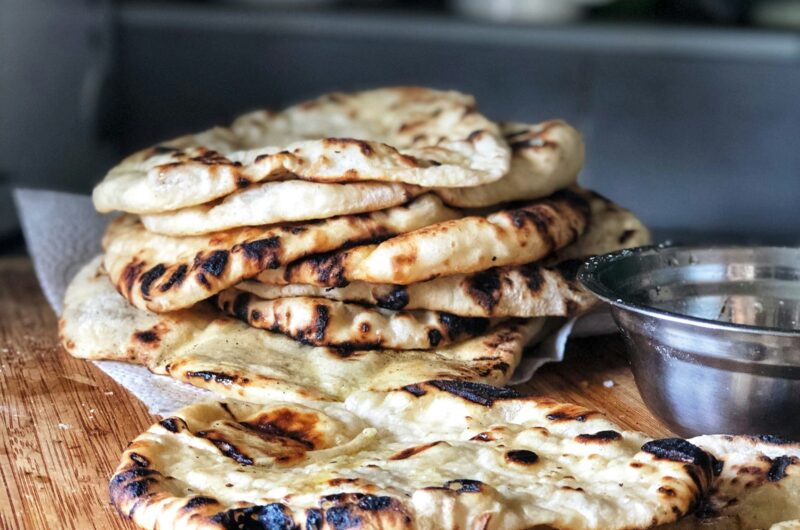
Quick 30-Minute Flatbread Recipe (No Yeast Needed)
Difficulty: Easy6
Flatbreads10
minutes20
minutes30
minutesA quick, soft, no-yeast flatbread you can make in 30 minutes with simple pantry staples.
Ingredients
2 cups all-purpose flour
2 tsp baking powder
1 tsp salt
3/4 cup plain yogurt or milk
2 tbsp oil (plus more for cooking)
Optional: 1–2 tsp garlic, herbs, chili flakes, or melted butter for brushing
Directions
- In a bowl, mix the flour, baking powder, and salt.
- Add yogurt or milk and the oil. Stir until a soft dough forms.
- Lightly knead for 1–2 minutes, adding flour only if the dough is too sticky.
- Divide into 6 balls and roll each into a thin round (about 2–3 mm thick).
- Heat a skillet over medium–high heat.
- Cook each flatbread for 1–2 minutes per side, until golden spots appear.
- Brush warm flatbreads with butter or oil if desired.
Notes
- Add a splash of milk if the dough feels dry or stiff.
- Keep cooked flatbreads wrapped in a clean towel to stay warm and soft.
- Store in the fridge for 3–4 days or freeze for up to 2 months.

Hi, I’m Sorenna Blythe, the baker and writer behind Mix Whisk Bake. I share simple, reliable recipes and honest kitchen moments to help home bakers bake with confidence and joy. When I’m not testing new treats, you’ll find me sipping coffee and dreaming up my next bake.