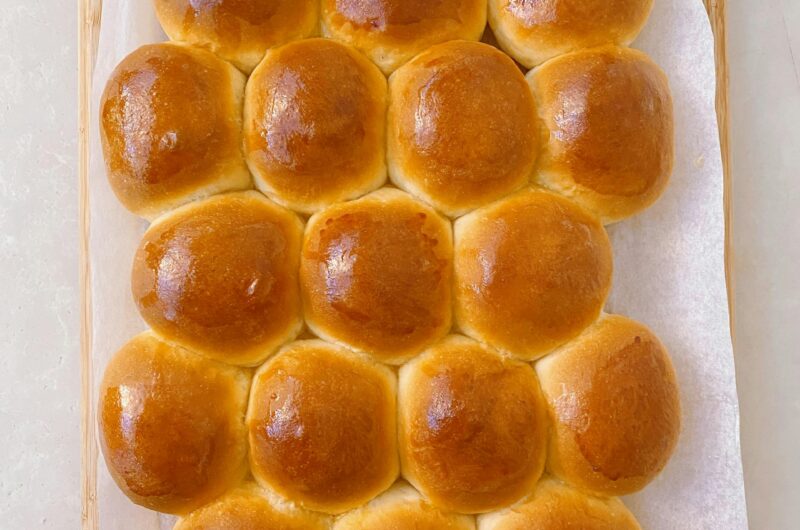
There’s nothing like tearing into a warm, buttery dinner roll that’s soft enough to melt in your mouth. If you’ve ever wanted to bake those bakery-style rolls at home without stress, you’re in the right place.
This post will walk you through the ingredients, the simple steps, pro tips, and even how to store leftovers (if there are any!).
You don’t need fancy gear or a culinary degree, but just a little time, the right technique, and a good appetite.
Ready to bake rolls that steal the show at dinner? Let’s roll—pun absolutely intended!
Ingredients for Soft and Fluffy Rolls
- All-Purpose or Bread Flour: The backbone of your rolls. Bread flour gives extra chew, while all-purpose keeps them soft and tender.
- Milk or Water: Adds moisture and softness. Milk gives a richer flavor, while water makes the rolls lighter.
- Butter or Oil: Brings tenderness and that irresistible, melt-in-your-mouth texture.
- Sugar: Adds a hint of sweetness and helps the rolls brown beautifully in the oven.
- Salt: Balances the flavors and strengthens the dough’s structure.
- Yeast: The magic that makes your rolls rise and turn airy instead of dense.
- Egg (Optional): Adds richness, color, and a softer crumb for bakery-level rolls.
Equipment You’ll Need
- Mixing Bowl: For combining and kneading your dough—big enough to let it rise without spilling over.
- Measuring Cups and Spoons: Accuracy matters when it comes to baking. These keep your ingredient ratios just right.
- Dough Hook or Wooden Spoon: Use a dough hook for easier kneading in a mixer, or a sturdy spoon for mixing by hand.
- Kitchen Scale (Optional): Great for weighing dough balls evenly so all your rolls bake at the same rate.
- Baking Dish or Sheet Pan: Where your rolls will rise and bake—choose based on whether you want pull-apart or spaced rolls.
- Clean Towel or Plastic Wrap: Covers your dough during rising to lock in warmth and moisture.
- Oven and Thermometer: The oven bakes your rolls, and a thermometer ensures your baking temp is spot on for perfect results.
Step-by-Step Instructions
Making soft and fluffy dinner rolls isn’t complicated, but each step matters. Here’s how to do it right from start to finish, with no guesswork.
1. Activate the Yeast
Start by warming your liquid (milk or water) to about 100–110°F (38–43°C). It should feel like warm bath water, but definitely not hot. Too hot, and you’ll kill the yeast before it even gets going.
Add in a teaspoon of sugar (food for the yeast), then sprinkle the yeast over the surface. Stir gently, then let it sit undisturbed for 5 to 10 minutes. If it gets foamy and bubbly, you’re good to go.
No foam? Your yeast may be expired, or the liquid was too hot or too cold. Try again with fresh yeast and a thermometer if needed.
This step is your foundation, and if the yeast isn’t happy, your rolls won’t rise.
2. Mix and Knead the Dough
Once your yeast is bubbly, it’s time to mix everything together. Add the rest of your ingredients: flour, salt, softened butter (or oil), sugar, and egg if you’re using it.
Use a wooden spoon, silicone spatula, or dough hook if you’ve got a stand mixer. Stir until it forms a shaggy, sticky dough. Now, knead it.
By hand, knead for about 10 minutes on a lightly floured surface. If using a mixer, 6–8 minutes on medium with the dough hook usually does the trick.
You’re looking for a smooth, elastic dough that’s slightly tacky but not sticking to your fingers like glue. If it’s too dry, add a teaspoon of water at a time. Too sticky? A little extra flour goes a long way.
3. First Rise (Bulk Fermentation)
Shape your dough into a ball and place it in a lightly greased bowl. Cover it with a clean kitchen towel or plastic wrap.
Let it rest in a warm spot (like inside your microwave with the door closed or an oven with just the light on). This rise usually takes 1 to 1.5 hours.
You’ll know it’s ready when the dough has doubled in size. Not sure? Press a fingertip gently into the surface, and if the indentation stays, it’s ready. If it springs right back, give it more time.
4. Shape the Rolls
Once the dough has risen, gently punch it down to release excess air. Turn it out onto a floured surface.
Divide the dough into equal portions. A kitchen scale helps if you want perfectly uniform rolls—aim for 45–60g per roll, depending on the size you like.
Shape each piece into a ball by pulling the edges underneath and pinching them closed at the bottom.
Place the rolls into your greased baking dish, spacing them just slightly apart so they rise together and create that soft pull-apart edge.
5. Second Rise
Now the shaped rolls need to puff up again. Cover the pan loosely and let them rise for another 30 to 45 minutes.
They should look soft, round, and noticeably larger. When gently poked, the surface should leave a slight dent. That’s your sign that they’re ready to bake.
6. Bake
Preheat your oven to 180–190°C (350–375°F). If you like a golden top, brush your rolls with milk, melted butter, or a lightly beaten egg for a glossy finish.
Bake for 18 to 22 minutes, or until the tops are golden brown and the rolls sound slightly hollow when tapped. Every oven is a bit different, so keep an eye on them during the last few minutes.
7. Final Touch
As soon as the rolls come out of the oven, brush them with melted butter. This keeps the tops soft and adds rich flavor.
Let them cool for a few minutes in the pan, then serve warm. They’re best eaten fresh, but still taste amazing reheated later.
Pro Tips for Pillowy Perfection
Getting soft, cloud-like rolls isn’t about luck, but it’s about little choices that make a big difference. These simple tips will take your dinner rolls from “pretty good” to “wow, did I really make these?”
Don’t Over-Flour the Dough
One of the biggest mistakes home bakers make is adding too much flour. It’s tempting when the dough feels sticky, but resist the urge. A slightly tacky dough is exactly what gives you that tender, fluffy bite.
Think of it like this: too much flour makes your rolls tough, not soft. Instead, flour your hands lightly and trust the process.
The dough will smooth out as you knead and rise. It’s better to have a sticky dough that bakes soft than a dry one that turns out dense.
Room Temperature Matters
Yeast loves warmth; it’s basically your dough’s personal spa treatment. If your kitchen is chilly, the dough will take forever to rise, and you’ll end up frustrated.
Find a cozy spot, like near a window with sunlight or inside your oven with just the light on.
If your dough rises too slowly, it can lose moisture and flavor.
Keep things comfortably warm, around 75–80°F (24–27°C). That’s the sweet spot for happy yeast and perfectly puffed rolls.
Use Bread Flour for Chewier Rolls, All-Purpose for Softer Ones
This choice changes the final texture more than you’d think. Bread flour has more protein (gluten), giving you chewier, more structured rolls, which is great for sandwiches or sliders.
All-purpose flour, on the other hand, creates softer, melt-in-your-mouth rolls. If you can’t decide, try half and half. You’ll get a perfect balance between structure and softness.
Add Mashed Potatoes or Milk Powder for Extra Softness
Here’s a secret straight from grandma’s kitchen: add a little mashed potato or milk powder to your dough. They help retain moisture, making your rolls unbelievably soft even the next day.
A few tablespoons are all you need. Instant mashed potato flakes work great, too. It’s a tiny tweak that delivers big results.
Ingredient Substitutions & Variations
Make It Dairy-Free: Use Water + Oil or Plant-Based Milk
No butter? No milk? No problem. You can easily swap in water and oil or your favorite unsweetened plant-based milk, like almond, oat, or soy.
Use oil instead of butter (same amount), and use warm water or non-dairy milk in place of regular milk. The result? Still soft, still fluffy, still delicious, just minus the dairy.
Bonus: oil makes the dough easier to work with, especially if you’re kneading by hand.
Make-Ahead Tip: Refrigerate Shaped Rolls Overnight
Want fresh-baked rolls without the last-minute hustle? Shape your rolls the night before, then pop them in the fridge. Cover the pan tightly with plastic wrap and refrigerate overnight.
In the morning (or a few hours before baking), take them out and let them come to room temp and rise until puffy.
It’s a game-changer for holidays, dinner parties, or just a slow Sunday brunch. Warm rolls, no rush. Win-win.
Flavor Twists: Garlic Butter, Herbs, Cheese-Stuffed Centers
Plain rolls are great. But if you want to take things up a notch, try these flavor-packed variations:
- Garlic Butter: Stir minced garlic into your melted butter for brushing. You’ll never want to go back.
- Herbs: Mix dried or fresh herbs (like rosemary, thyme, or parsley) into the dough or sprinkle on top.
- Cheese-Stuffed Centers: Tuck a cube of mozzarella or cheddar inside each dough ball before shaping. Bite in and boom, melty magic.
Serving Suggestions
Dinner rolls are the Swiss Army knife of baked goods because they are versatile, comforting, and always welcome at the table.
Serve them warm and fluffy at holiday feasts like Thanksgiving or Christmas, where they’re perfect for soaking up gravy and making everything feel homemade.
On cozy soup nights, these rolls shine as the ultimate sidekick, ideal for dipping into brothy bowls or creamy chowders.
Hosting a casual dinner? Turn them into mini sandwiches stuffed with turkey, ham, or roasted veggies for an easy crowd-pleaser.
Want to keep things simple? Just split one open and slather it with butter, your favorite jam, or even a spoonful of leftover pan drippings.
And if you’ve got extras the next day, don’t let them go to waste—use them for breakfast sliders, bread pudding, or slice them in half and dip in egg to make soft, golden-brown French toast.
Storage & Reheating Tips
Fresh rolls are best eaten warm out of the oven, but don’t worry, because leftovers can still taste amazing with a little care. To store them, keep the rolls covered at room temperature for up to 3 days.
A zip-top bag, an airtight container, or even foil will help lock in moisture and keep them from drying out.
Want to keep them longer? Freeze the baked rolls once they’ve cooled completely, then just wrap them tightly in plastic wrap, then foil, and stash them in a freezer-safe bag for up to 2 months.
When you’re ready to enjoy them again, skip the thaw-and-sad-roll routine. Instead, wrap a roll in a damp paper towel and microwave it for about 20 seconds to revive that soft texture.
For a crisper edge, pop them in a warm oven (350°F/180°C) for 5–8 minutes, loosely wrapped in foil to prevent them from getting too hard.
Final Words
Baking soft, fluffy dinner rolls at home is easier than it looks and way more satisfying than store-bought. Give it a go, even if you’re new to baking.
Start simple, then have fun with flavors like garlic, herbs, or gooey cheese centers.
Don’t be afraid to make it your own!
FAQs
Why are my rolls dense?
Dense rolls usually mean the dough was either over-floured, under-kneaded, or didn’t rise long enough. Use just enough flour to keep the dough workable—soft and slightly tacky is ideal.
Make sure to knead until the dough is smooth and elastic, and don’t rush the rising time. Let the yeast do its job.
Why didn’t my dough rise?
Check your yeast first; if it’s expired or the liquid was too hot, the yeast could’ve been killed off.
Also, rising in a cold kitchen can slow things down. Try placing the dough in a warm, draft-free spot and give it more time if needed.
Can I use instant yeast instead of active dry?
Yes, you can. Instant yeast doesn’t need to be activated first—just mix it directly into your dry ingredients. You may also notice a slightly quicker rise, so keep an eye on your dough.
Can I make these gluten-free?
Gluten-free rolls are possible, but they require a specialized flour blend and a slightly different approach.
Standard wheat flour can’t be swapped 1:1. Look for a trusted gluten-free dinner roll recipe that’s been tested with the right ratios and binders like xanthan gum for best results.
How to Bake Soft and Fluffy Dinner Rolls
Difficulty: Easy12
rolls20
minutes20
minutes2
hours15
minutesThese soft, buttery dinner rolls are light, fluffy, and perfect for any meal. No fancy tools or baking experience needed!
Ingredients
3 ½ cups all-purpose or bread flour
1 cup warm milk (or water for dairy-free)
2 ¼ tsp active dry yeast (1 packet)
3 tbsp sugar
1 tsp salt
¼ cup unsalted butter, softened (or neutral oil)
1 large egg (optional, for richness)
2 tbsp melted butter (for brushing)
Directions
- Activate yeast: In a bowl, mix warm milk (100–110°F) with sugar and yeast. Let it sit for 5–10 minutes until foamy.
- Make dough: Add flour, salt, softened butter, and egg (if using). Mix until combined, then knead for 8–10 minutes by hand or with a mixer until smooth and elastic.
- First rise: Place dough in a greased bowl, cover, and let rise in a warm spot for 1–1.5 hours, or until doubled in size.
- Shape rolls: Punch down dough, divide into 12 equal balls, and place in a greased baking dish slightly apart.
- Second rise: Cover and let rise again for 30–45 minutes until puffy.
- Bake: Preheat oven to 180°C (350°F). Bake rolls for 18–22 minutes, until golden.
- Final touch: Brush hot rolls with melted butter. Serve warm.
Notes
- Use plant-based milk and oil for a dairy-free version.
- Dough can be shaped and refrigerated overnight before baking.
- Add garlic butter, herbs, or cheese inside for flavor twists.
- Rolls freeze well for up to 2 months—wrap tightly and reheat before serving.

Hi, I’m Sorenna Blythe, the baker and writer behind Mix Whisk Bake. I share simple, reliable recipes and honest kitchen moments to help home bakers bake with confidence and joy. When I’m not testing new treats, you’ll find me sipping coffee and dreaming up my next bake.