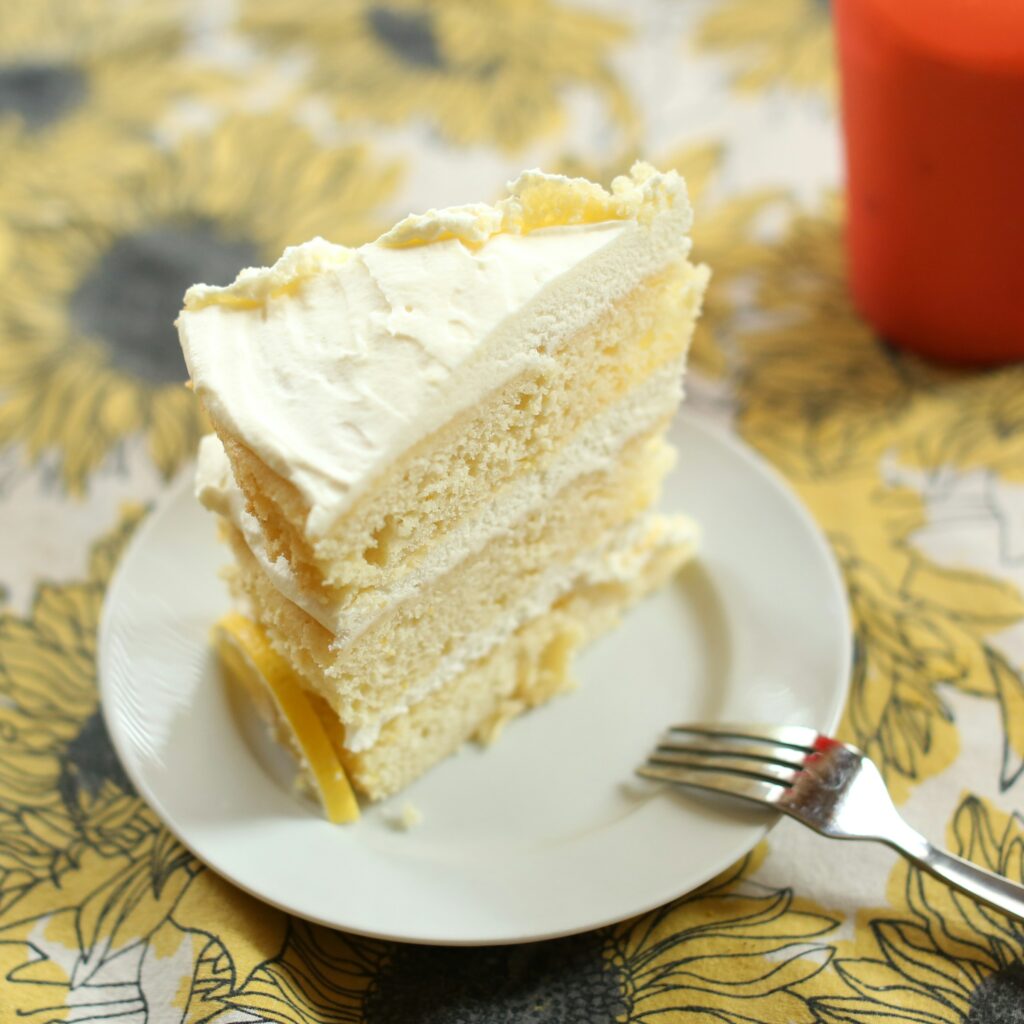
Vanilla cake is a true classic. It’s simple, familiar, and loved by almost everyone. When done right, it’s soft, moist, and full of rich vanilla flavor that never feels boring.
This recipe gives you a tender, fluffy crumb with a buttery taste in every bite.
It’s sturdy enough for layered birthday cakes, elegant enough for weddings, and easy enough to bake just because you feel like it.
Best of all, you only need basic pantry ingredients. If you have flour, sugar, butter, eggs, and vanilla, you’re already on your way to a beautiful homemade cake.
Why You’ll Love This Vanilla Cake
Ultra Soft and Fluffy Texture
The texture is what makes this cake stand out. It bakes up light, tender, and beautifully soft without being crumbly. Each slice holds together well while still feeling airy.
The secret is proper creaming of the butter and sugar, along with careful mixing. You trap air at the start, then protect that air by not overmixing the batter.
The result is a cake that feels delicate but slices cleanly.
It stays moist for days, which means it tastes just as good the next afternoon as it does fresh out of the oven.
Rich, Real Vanilla Flavor
Vanilla may seem simple, but when it’s the star, quality matters. Using pure vanilla extract gives the cake a warm, deep flavor that feels comforting and full.
This recipe balances sweetness with real vanilla notes, so it never tastes flat. It’s fragrant while baking and even better once cooled.
Every bite delivers that classic bakery-style vanilla taste people instantly recognize and love.
Easy, Beginner-Friendly Recipe
You don’t need special equipment or advanced skills to make this cake. If you can measure ingredients and follow simple steps, you can bake this successfully.
The method is straightforward: cream, mix, combine, and bake. Clear steps reduce mistakes and help you feel confident from start to finish.
Even if this is your first homemade cake, you’ll feel proud pulling it out of the oven.
Perfect Base for Layered Cakes
This vanilla cake is sturdy enough to stack without collapsing. The crumb is strong but still soft, which makes it ideal for layered celebration cakes.
It levels easily, holds fillings well, and slices cleanly. Whether you’re adding jam, buttercream, or fresh fruit, the cake supports it beautifully.
It’s a reliable base you can dress up for birthdays, weddings, or special events.
Pairs Well with Any Frosting
Vanilla is wonderfully versatile. It complements almost every frosting flavor without overpowering it.
Chocolate buttercream creates a classic contrast. Cream cheese frosting adds a slight tang. Fresh berry frostings bring brightness.
Think of this cake as a blank canvas. You can keep it simple or make it bold, and it will still shine.
Ingredients You’ll Need
Dry Ingredients
- 2½ cups (315 g) all-purpose flour – Provides structure and stability. Spoon and level for accuracy.
- 2½ teaspoons baking powder – Helps the cake rise and stay light.
- ½ teaspoon salt – Balances sweetness and enhances the vanilla flavor.
Wet Ingredients
- 1 cup (226 g) unsalted butter, softened – Adds richness and creates a tender crumb.
- 1¾ cups (350 g) granulated sugar – Sweetens and helps create a soft texture.
- 4 large eggs, room temperature – Provide structure and moisture.
- 1 cup (240 ml) whole milk or buttermilk, room temperature – Adds moisture. Buttermilk gives a slightly softer crumb.
- 1 tablespoon pure vanilla extract – The key flavor of the cake. Use good quality for the best results.
- 2 tablespoons (30 ml) neutral oil (optional) – Adds extra moisture and keeps the cake soft for longer.
Ingredient Tips for Best Results
Small details make a big difference in baking. Paying attention to your ingredients will help you get a soft, even, and flavorful vanilla cake every time.
Why Room Temperature Ingredients Matter
Room temperature ingredients mix more smoothly. Softened butter creams properly with sugar, creating tiny air pockets that help the cake rise.
Cold butter cannot trap air the same way, which can lead to a dense texture.
Eggs at room temperature blend evenly into the batter. Cold eggs can cause the mixture to look curdled and affect the final crumb.
Milk or buttermilk should also be at room temperature. When everything is similar in temperature, the batter stays stable and bakes evenly.
For best results, set your ingredients out 30–60 minutes before you begin.
Using Pure Vanilla Extract vs Imitation
Vanilla is the main flavor in this cake, so quality matters. Pure vanilla extract gives a warm, deep flavor that tastes natural and well-rounded.
Imitation vanilla can taste sharper or slightly artificial, especially in a simple cake where vanilla is the star. While it will still work, the flavor will not be as rich.
If possible, use pure vanilla extract. It makes a noticeable difference in both aroma and taste once the cake is baked.
Cake Flour vs All-Purpose Flour
All-purpose flour gives this cake structure and makes it easy to work with. It creates a soft crumb while still holding layers firmly in place.
Cake flour has less protein, which produces an even lighter and more delicate texture. If you prefer a very tender, bakery-style crumb, you can substitute cake flour using proper measurements.
For most home bakers, all-purpose flour is reliable and delivers excellent results without extra adjustments.
How Butter + Oil Improves Texture
Butter adds flavor. It gives the cake a rich, classic taste that makes vanilla cake so comforting.
Oil adds moisture. It helps the cake stay soft for longer and prevents it from drying out quickly.
Using a small amount of oil along with butter gives you the best of both. You get buttery flavor and long-lasting softness in every slice.
Step-by-Step Instructions
Follow these steps carefully. Each one builds structure, texture, and flavor. Take your time, and you’ll be rewarded with a soft, even cake.
1. Preheat Oven and Prepare Cake Pans
Preheat your oven to 175°C (350°F). Giving the oven time to fully heat ensures the cake rises properly from the start.
Grease two 8-inch round cake pans with butter or nonstick spray. Line the bottoms with parchment paper, then lightly grease again. This prevents sticking and helps the cakes release cleanly.
Set the pans aside before mixing the batter. Once baking powder is activated, you want to work efficiently.
2. Cream Butter and Sugar Properly
Place the softened butter and granulated sugar in a large mixing bowl. Beat them together for about 3–5 minutes until the mixture looks pale and fluffy.
This step is important. Creaming traps air in the batter, which helps create a light texture. If the mixture still looks dense or yellow, keep mixing a little longer.
Scrape down the sides of the bowl to ensure everything blends evenly.
3. Add Eggs One at a Time
Add the eggs one at a time, mixing well after each addition. This helps the batter stay smooth and prevents curdling.
Make sure each egg is fully mixed in before adding the next. This builds structure and keeps the texture even.
If the batter looks slightly separated at any point, don’t worry. It will come together once the dry ingredients are added.
4. Mix Dry Ingredients Separately
In a separate bowl, whisk together the flour, baking powder, and salt. This evenly distributes the leavening agent and prevents clumps.
Whisking also lightly aerates the flour, which supports a softer crumb.
Having this mixture ready makes the next step smooth and controlled.
5. Alternate Dry Ingredients with Milk
Add the dry ingredients to the butter mixture in three additions, alternating with the milk in two additions. Start and end with the dry ingredients.
Mix on low speed just until combined after each addition. Alternating helps keep the batter smooth and prevents it from becoming too thick too quickly.
This method keeps the texture balanced and prevents overworking the flour.
6. Avoid Overmixing
Once all ingredients are combined, stop mixing. Overmixing develops gluten, which can make the cake dense or tough.
The batter should look smooth and slightly thick. A few small streaks are fine as long as no dry flour remains.
Gentle mixing protects the soft texture you worked to create.
7. Bake to Perfection
Divide the batter evenly between the prepared pans. Smooth the tops with a spatula.
Bake for 25–30 minutes, or until a toothpick inserted into the center comes out clean or with a few moist crumbs.
Avoid opening the oven too early. Sudden temperature changes can cause the cake to sink.
When done, the tops should be lightly golden and spring back when gently pressed.
8. Cool Completely Before Frosting
Let the cakes cool in the pans for 10–15 minutes. Then carefully turn them out onto a wire rack to cool completely.
Frosting a warm cake will cause the frosting to melt and slide. Patience here makes decorating much easier.
Once fully cooled, level if needed and frost as desired. Your vanilla cake is now ready to serve.
Baking Tips for a Perfect Vanilla Cake
How to Measure Flour Correctly
Flour is easy to over-measure, and too much can make your cake dense and dry. Instead of scooping directly with the measuring cup, spoon the flour into the cup and level it off with a knife.
This keeps the flour light and prevents packing. If you have a kitchen scale, weighing the flour is even more accurate.
A small measuring adjustment can completely change the final texture, so this step is worth the extra few seconds.
Don’t Overmix the Batter
Once you add the flour, mix gently and only until combined. Overmixing develops gluten, which can make the cake tough instead of soft.
Use low speed on your mixer or fold by hand toward the end. Stop as soon as you no longer see dry flour.
A smooth batter is good. A heavily beaten batter is not.
Test for Doneness Properly
Start checking the cake near the end of the baking time. Insert a toothpick into the center. If it comes out clean or with a few moist crumbs, the cake is ready.
If it comes out with wet batter, give it a few more minutes and check again. Avoid guessing based on color alone.
The top should spring back lightly when pressed. That gentle bounce is a reliable sign it’s done.
Prevent Domed Tops
Domed cakes are common, but easy to manage. Make sure your oven temperature is accurate, as too much heat can cause the center to rise too quickly.
Spread the batter evenly in the pan before baking. You can also gently tap the pans on the counter to release large air bubbles.
If a slight dome forms, simply level it with a serrated knife once the cake is fully cooled. A flat surface makes stacking and frosting much easier.
How to Keep Cake Moist
Do not overbake. Even a few extra minutes can dry out the crumb.
Store the cooled cake tightly wrapped in plastic wrap or in an airtight container. This locks in moisture and keeps the texture soft.
If making ahead, you can wrap and freeze the layers. Properly wrapped cake stays moist and fresh, and it thaws beautifully when needed.
Best Frosting Pairings
A great vanilla cake deserves the right frosting. The flavor is simple, which means you can keep it classic or add contrast.
Here are reliable options that work beautifully every time.
Classic Vanilla Buttercream
Vanilla buttercream keeps things timeless. It’s smooth, creamy, and enhances the cake without overpowering it.
Use softened butter and beat it well before adding powdered sugar. This creates a light texture that spreads easily and pipes neatly.
If you want a clean, elegant cake for birthdays or weddings, this is your safest and most versatile choice.
Chocolate Buttercream
Chocolate and vanilla are a perfect match. The rich cocoa flavor balances the sweetness of the cake and adds depth.
Use good-quality cocoa powder for a smoother taste. Beat the frosting until fluffy so it feels light rather than heavy.
This pairing is ideal if you want something classic but slightly more indulgent.
Cream Cheese Frosting
Cream cheese frosting adds a gentle tang. That slight sharpness cuts through the sweetness and makes each bite feel balanced.
Make sure both the butter and cream cheese are softened before mixing. This prevents lumps and keeps the frosting silky.
It’s a great option if you prefer a less sugary finish.
Strawberry Frosting
Strawberry frosting brings brightness and color. It adds a fresh, fruity contrast to the warm vanilla base.
You can use strawberry puree or freeze-dried strawberry powder for a stronger flavor. Just make sure the frosting stays thick enough to spread easily.
This pairing works especially well for spring and summer celebrations.
Whipped Cream Frosting
Whipped cream frosting is light and airy. It feels less rich and gives the cake a softer finish.
Use cold heavy cream and whip it until soft peaks form. For stability, you can add a small amount of powdered sugar.
This option is perfect when you want something delicate, fresh, and not too sweet.
Variations & Customizations
Turn It Into Cupcakes
This batter works beautifully as cupcakes. Simply line a muffin tin with cupcake liners and fill each about two-thirds full.
Bake at 175°C (350°F) for 18–22 minutes, or until a toothpick comes out clean. Keep a close eye near the end since cupcakes bake faster than full cake layers.
Let them cool completely before frosting. This version is perfect for parties, school events, or easy portion control.
Make It a Layered Celebration Cake
For a taller cake, divide the batter between three 8-inch pans instead of two. You can also double the recipe for thicker layers.
Level each cake once cooled to create flat surfaces. Add frosting or filling between each layer, then finish with a smooth outer coat.
This method turns a simple vanilla cake into a centerpiece for birthdays, weddings, or any special gathering.
Add Sprinkles for Funfetti
To create a funfetti version, gently fold in ½ cup of colorful sprinkles right before baking. Use jimmies-style sprinkles to prevent color bleeding.
Fold carefully to avoid overmixing. The sprinkles will bake into the crumb and create a bright, festive look inside.
It’s an easy way to make the cake feel playful without changing the flavor.
Lemon Vanilla Twist
For a fresh flavor boost, add 1 tablespoon of lemon zest to the batter. You can also replace 2 tablespoons of milk with fresh lemon juice.
The lemon brightens the vanilla without overpowering it. It adds a light citrus note that feels clean and refreshing.
This version pairs especially well with cream cheese or whipped cream frosting.
Almond Vanilla Variation
Almond extract adds a warm, slightly nutty flavor. Replace ½ teaspoon of the vanilla extract with almond extract for a balanced blend.
Start small, as almond extract is strong. Too much can overpower the cake.
This variation works beautifully for elegant occasions and pairs well with berry fillings or buttercream.
Storage & Make-Ahead Tips
To keep your vanilla cake fresh at room temperature, store it in an airtight container or wrap it tightly in plastic wrap and keep it in a cool, dry place for up to 2–3 days; this prevents it from drying out while preserving its soft texture.
If your kitchen is warm or the cake is frosted with cream cheese or whipped cream frosting, refrigerate it in an airtight container to protect the texture and prevent spoilage, but allow it to sit at room temperature for 30–60 minutes before serving so it regains its softness and full flavor.
Yes, you can absolutely freeze vanilla cake, and it freezes very well; wrap unfrosted layers tightly in plastic wrap and then in foil to prevent freezer burn, or place them in a freezer-safe container, and freeze for up to 2–3 months.
To thaw properly, transfer the wrapped cake to the refrigerator overnight or let it sit at room temperature while still wrapped, which prevents condensation from making the surface sticky.
Once fully thawed, unwrap and frost as desired, and it will taste just as moist and tender as the day you baked it.
Final Thoughts
This vanilla cake is simple, reliable, and worth making from scratch. Follow the steps, take your time, and you’ll end up with a soft, flavorful cake you can feel proud of.
Serve a slice with a warm cup of coffee or tea, and enjoy every bite!
FAQs
Can I use cake flour instead of all-purpose flour?
Yes. Replace the all-purpose flour with 2¾ cups cake flour for a lighter, softer crumb. Measure carefully for best results.
Why is my vanilla cake dry?
The most common causes are overbaking or adding too much flour. Measure accurately and check the cake a few minutes before the suggested bake time ends.
Can I make this eggless?
Yes. Substitute each egg with ¼ cup plain yogurt, buttermilk, or a commercial egg replacer. The texture will be slightly different but still soft.
Can I make this dairy-free?
Yes. Use dairy-free butter and replace the milk with almond, soy, or oat milk. Choose a neutral-flavored option for the best taste.
How do I make it extra moist?
Add 1–2 extra tablespoons of oil, avoid overbaking, and store the cake tightly wrapped. Using buttermilk instead of regular milk also helps boost moisture.
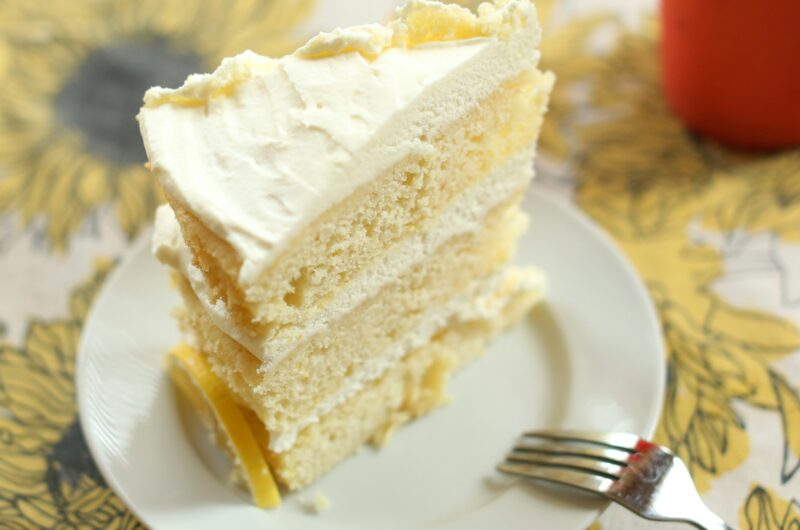
Soft & Fluffy Vanilla Cake (Beginner-Friendly & Delicious!)
Difficulty: Easy12
Slices20
minutes25
minutes1
hourA soft, moist, and fluffy vanilla cake with rich flavor and a tender crumb. Perfect for birthdays, layered cakes, or simple everyday baking.
Ingredients
2½ cups (315 g) all-purpose flour
2½ teaspoons baking powder
½ teaspoon salt
1 cup (226 g) unsalted butter, softened
1¾ cups (350 g) granulated sugar
4 large eggs, room temperature
1 cup (240 ml) whole milk or buttermilk, room temperature
1 tablespoon pure vanilla extract
2 tablespoons (30 ml) neutral oil (optional, for extra moisture)
Directions
- Preheat oven to 175°C (350°F). Grease and line two 8-inch cake pans.
- Cream butter and sugar together until light and fluffy (3–5 minutes).
- Add eggs one at a time, mixing well after each addition. Stir in vanilla.
- In a separate bowl, whisk flour, baking powder, and salt.
- Add dry ingredients to the batter in three additions, alternating with milk. Begin and end with dry ingredients. Mix just until combined.
- Divide batter evenly between pans and smooth the tops.
- Bake for 25–30 minutes, or until a toothpick inserted in the center comes out clean.
- Cool in pans for 10–15 minutes, then transfer to a wire rack to cool completely before frosting.
Notes
- Use room temperature ingredients for the best texture.
- Do not overmix once flour is added.
- Store tightly covered at room temperature for up to 3 days.
- Cake layers can be wrapped and frozen for up to 3 months.

Hi, I’m Sorenna Blythe, the baker and writer behind Mix Whisk Bake. I share simple, reliable recipes and honest kitchen moments to help home bakers bake with confidence and joy. When I’m not testing new treats, you’ll find me sipping coffee and dreaming up my next bake.