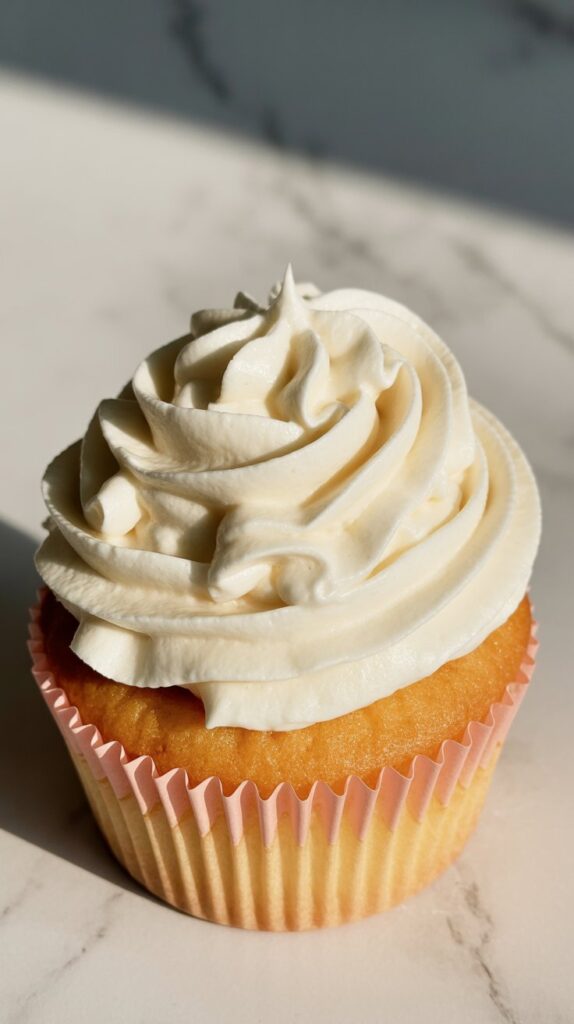
Whipped cream frosting is what you reach for when buttercream feels a little too heavy. It’s light, airy, and smooth as a summer breeze. One bite and it melts away, not sits like a brick.
This frosting shines when the weather is warm, cakes are stacked high, and fruit is stealing the show. Think layered cakes, fresh berries, and desserts that want to feel fresh, not fussy.
If buttercream is a winter coat, whipped cream frosting is a linen shirt—easy, breathable, and always a good idea!
What Is Whipped Cream Frosting?
Whipped cream frosting is simply whipped cream that’s been lightly sweetened and beaten just enough to hold its shape, making it spreadable, pipeable, and perfect for frosting desserts.
At its core, it starts the same way as regular whipped cream, but the goal is different.
Regular whipped cream is soft, spoonable, and meant to be dolloped, while whipped cream frosting is whipped a bit further so it becomes sturdier and more stable without losing that cloud-like feel.
Now compare it to buttercream, and the difference is night and day. Buttercream is rich, dense, and buttery, built to be bold and decorative.
Whipped cream frosting is light, airy, and refreshing, designed to complement a cake instead of overpowering it. Buttercream announces itself.
Whipped cream frosting whispers, “I’m here to make this better,” then melts in your mouth before you can argue back.
Why You’ll Love This Whipped Cream Frosting
Light, Airy, and Not Overly Sweet
This frosting is a breath of fresh air. It’s soft, fluffy, and melts on your tongue instead of sitting heavy. There’s just enough sweetness to feel indulgent, but not so much that it steals the spotlight.
If you’ve ever scraped thick frosting off a slice of cake, this one gets you. It lets the cake shine while still making every bite feel special.
Quick to Make With Minimal Ingredients
This is the kind of recipe you can make on a whim. No stovetop. No long ingredient list. Just a few basics and a mixer, and you’re done in minutes.
It’s perfect for last-minute desserts, surprise guests, or those “I need frosting now” moments we all know too well.
Perfect for Cakes, Cupcakes, and No-Bake Desserts
Whipped cream frosting plays well with just about everything. It spreads smoothly on cakes, pipes beautifully on cupcakes, and pairs like a dream with no-bake treats.
From layered cakes to chilled desserts, it adds a light finish that feels fresh, not fussy. It’s the frosting you reach for when you want dessert to feel easy, not overdone.
Ingredients You’ll Need
- Heavy whipping cream
This is the backbone of the frosting. Use cream with at least 35% fat, so it whips properly and holds its shape. Lower-fat cream won’t give you that fluffy, stable finish. - Powdered sugar
This adds sweetness without grit. It dissolves easily and helps keep the frosting smooth and light, not grainy or heavy. - Vanilla extract
A small splash goes a long way. It rounds out the flavor and gives the frosting that classic, bakery-style taste. - Optional stabilizers (cornstarch, gelatin, cream cheese, or mascarpone)
These help the frosting hold up longer, especially for cakes and warm rooms. Cornstarch keeps it simple, gelatin adds structure, and cream cheese or mascarpone brings extra richness and stability without weighing it down.
Equipment Needed
- Mixing bowl (chilled)
A cold bowl helps the cream whip faster and stay stable. - Hand mixer or stand mixer
Either works just fine. A hand mixer gives you more control, while a stand mixer does the heavy lifting. Both get the job done. - Spatula
For scraping down the bowl and folding gently. It keeps every bit of frosting light and evenly mixed. - Piping bag and tip (optional)
Not required, but nice to have. Use it if you want clean swirls, neat edges, or cupcakes that look bakery-ready.
How to Make Whipped Cream Frosting (Step-by-Step)
1. Chill the Bowl and Beaters
Cold tools make a big difference. A chilled bowl and beaters help the cream whip faster and hold air better. A few minutes in the fridge is all it takes, and it’s time well spent.
2. Add Heavy Cream and Begin Whipping
Pour the cold heavy cream into your chilled bowl. Start whipping on low, then slowly increase the speed.
This gentle start keeps splashing to a minimum and helps the cream thicken evenly. Soon, it will go from liquid to soft and billowy.
3. Add Powdered Sugar and Vanilla
Once the cream starts to thicken, add the powdered sugar and vanilla. Sprinkle them in slowly while mixing. This keeps the frosting smooth and prevents lumps.
4. Beat to Soft Peaks, Then Stiff Peaks
Keep whipping until soft peaks form. At this stage, the cream holds its shape but gently folds over. For frosting, continue just a bit longer until stiff peaks appear.
The peaks should stand tall and proud without drooping. That’s your sweet spot.
5. Stop at the Right Consistency (Avoid Over-Whipping)
This part is all about timing. Stop as soon as the frosting looks thick, fluffy, and smooth. If you keep going, it can turn grainy and head toward butter.
When in doubt, stop early. You can always whip more, but you can’t rewind the mixer.
How to Stabilize Whipped Cream Frosting
Why Stabilization Matters
Whipped cream frosting is light and airy, but it can be a bit of a free spirit. Without help, it softens, slumps, and loses its shape over time.
Stabilizing it gives the frosting structure, so it stays fluffy instead of sliding off your cake. If your dessert needs to sit out, travel, or survive a warm room, stabilization is your safety net.
Best Stabilizer Options
There are a few easy ways to give whipped cream frosting more backbone. Cornstarch is the simplest and adds just enough support without changing the flavor.
Gelatin is the strongest option and works well for long-lasting results. Cream cheese and mascarpone add stability plus richness, making the frosting slightly thicker and more indulgent.
Which Stabilizer Works Best for Cakes vs Cupcakes
For cakes, especially layered ones, gelatin or mascarpone works best. They help the frosting hold clean edges and support layers without sagging.
Cupcakes are more forgiving, so cornstarch or cream cheese usually does the trick. If you plan to pipe tall swirls, lean toward the sturdier options. Gravity always wins, so choose wisely.
How Long Stabilized Frosting Holds Its Shape
Stabilized whipped cream frosting can hold its shape for several hours at room temperature, depending on the stabilizer used.
In the fridge, it stays fluffy for one to two days, sometimes longer with gelatin.
It won’t last like buttercream, but it doesn’t need to. It’s meant to be enjoyed fresh, when it’s at its light, cloud-like best.
Flavor Variations
Chocolate Whipped Cream Frosting
This one is rich but still light on its feet. Adding cocoa powder or melted chocolate turns the frosting into a soft, chocolatey cloud.
It’s perfect when you want chocolate flavor without the heaviness of chocolate buttercream.
Vanilla Bean
Vanilla bean takes things up a notch. The tiny black specks add warmth and depth, making the frosting taste fuller and more aromatic.
It’s simple, classic, and never boring. Like a good white tee, it goes with everything.
Strawberry or Berry Flavored
Fresh berries bring color and a gentle sweetness. Strawberry, raspberry, or mixed berry all work beautifully.
The flavor feels fresh and bright, especially on summer cakes. It’s the kind of frosting that tastes like sunshine.
Coffee or Mocha
This version is for coffee lovers. A touch of espresso powder adds bold flavor without thinning the frosting.
Pair it with chocolate cake for a mocha twist that feels grown-up but still fun. One bite and you’re wide awake.
Lemon or Citrus
Citrus keeps things lively. Lemon, orange, or lime zest adds a pop of freshness that cuts through the cream. The result is light, zippy, and refreshing.
Perfect when you want dessert to feel clean and not cloying.
How to Use Whipped Cream Frosting
Frosting Cakes
Whipped cream frosting works best on fully cooled cakes. Spread it gently, using light strokes, and let the frosting do the work. It glides on smoothly and creates a soft, clean finish.
Piping Cupcakes
Yes, you can pipe it. Use a piping bag and a simple tip, and keep the frosting cold. Tall swirls look beautiful, but don’t go overboard.
Think elegant, not skyscraper. A quick chill after piping helps everything hold its shape.
Filling Layer Cakes
This frosting makes a lovely cake filling. Spread a generous but even layer between cake rounds, then stack gently.
Keep the layers chilled so nothing slips and slides. It pairs especially well with fruit, sponge cakes, and lighter flavors.
Topping Pies, Trifles, and Desserts
This is where whipped cream frosting really shines. Dollop it on pies, swirl it over trifles, or spoon it onto chilled desserts.
It adds a light finish that feels fresh and effortless. Sometimes, the final touch is the easiest one and also the best.
Storage and Make-Ahead Tips
Whipped cream frosting is happiest when it’s kept cold and used fresh.
In the fridge, it stays fluffy for about 24 to 48 hours, especially if it’s stabilized, though it’s best within the first day when the texture is at its peak.
You can freeze whipped cream frosting, but it’s a bit of a gamble. Freezing can cause it to lose air and turn grainy once thawed, so it’s better for emergencies than for showpiece desserts.
If you do freeze it, thaw it slowly in the fridge and give it a gentle whisk to bring it back to life. For storage, use an airtight container to keep odors out and texture in.
Shallow containers work best, and a piece of plastic wrap pressed directly on the surface helps prevent weeping. Treat it kindly, keep it cold, and it will return the favor.
Common Mistakes to Avoid
Over-Whipping
This is the most common mistake, and it happens fast. One second, the frosting is fluffy and perfect, the next it’s grainy and stiff. Over-whipped cream starts turning into butter, and there’s no going back.
Stop as soon as the peaks hold their shape. When in doubt, pause and check. Your mixer doesn’t need to win a race.
Using Low-Fat Cream
Low-fat cream just won’t cut it here. It lacks the fat needed to trap air and stay fluffy. The result is thin, sad frosting that refuses to cooperate.
Always use heavy whipping cream with a high fat content. This is not the time to cut corners.
Frosting Warm Cakes
Warm cakes and whipped cream frosting do not get along. Heat causes the frosting to melt, slide, and lose shape. Let cakes cool completely before frosting.
Patience pays off, and your frosting will thank you by staying put.
Skipping Stabilization When Needed
Sometimes whipped cream needs backup. If your cake will sit out, travel, or face warm weather, stabilization matters. Skipping it can lead to slumping and separation.
When the situation calls for extra support, don’t wing it. A little stabilizer can save the day.
Final Words
Whipped cream frosting is the perfect choice when you want something light, fresh, and effortless. It shines on warm days, soft cakes, and desserts that don’t need heavy frosting armor.
Play with the flavors. Add chocolate, fruit, citrus, or coffee and make it your own. Baking should feel fun, not strict!
FAQs
Can I Make Whipped Cream Frosting Ahead of Time?
Yes, but with a small caveat. Whipped cream frosting is best made fresh, though a stabilized version can be prepared up to 24 hours ahead and kept in the fridge.
Store it in an airtight container and give it a gentle whisk before using.
Is Whipped Cream Frosting Sturdy Enough for Cakes?
It can be, if you treat it right. For single-layer or lightly stacked cakes, it works beautifully. For taller or layered cakes, stabilization is key.
Add a stabilizer, keep the cake chilled, and it will hold its shape without sliding off like it’s late for an appointment.
Can I Use Granulated Sugar Instead of Powdered?
It’s not recommended. Granulated sugar doesn’t dissolve as smoothly and can leave a gritty texture behind.
Powdered sugar blends in easily and keeps the frosting soft and silky. If smooth frosting is the goal, powdered sugar is the way to go.
Can I Make It Dairy-Free?
Yes, you can. Use a full-fat coconut cream that’s been chilled overnight and whipped just like heavy cream.
The flavor will be slightly coconut-forward, but the texture stays light and fluffy. It’s a great option if you need a dairy-free alternative that still feels indulgent.
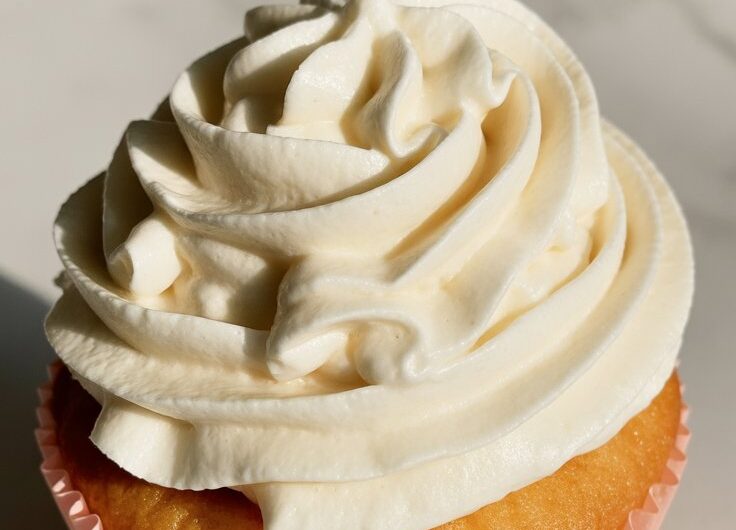
Whipped Cream Frosting Recipe (Light, Fluffy, and Not Too Sweet)
Difficulty: Easy12
Cupcakes10
minutesA light, fluffy whipped cream frosting that’s smooth, not overly sweet, and perfect for cakes, cupcakes, and desserts.
Ingredients
1 cup cold heavy whipping cream (35% fat or higher)
2–3 tablespoons powdered sugar (to taste)
1 teaspoon vanilla extract
Optional: 1 teaspoon cornstarch or preferred stabilizer
Directions
- Chill your mixing bowl and beaters for a few minutes.
- Add the cold heavy cream to the bowl and begin whipping on medium speed.
- Once slightly thickened, add powdered sugar and vanilla.
- Continue whipping until soft peaks form, then whip just until stiff peaks hold their shape.
- Stop immediately to avoid over-whipping. Use right away or chill until needed.
Notes
- Always frost completely cooled cakes.
- For layered cakes or warm weather, use a stabilizer.
- Best used fresh, but stabilized frosting can be stored in the fridge for up to 24 hours.

Hi, I’m Sorenna Blythe, the baker and writer behind Mix Whisk Bake. I share simple, reliable recipes and honest kitchen moments to help home bakers bake with confidence and joy. When I’m not testing new treats, you’ll find me sipping coffee and dreaming up my next bake.