This page may contain affiliate links. As an Amazon Associate, I earn from qualifying purchases. If you choose to make a purchase after clicking a link, I may receive a commission at no additional cost to you. My goal is to provide helpful and valuable content, and any commissions help me maintain this site and continue creating high-quality content for my readers. Thank you for your support!
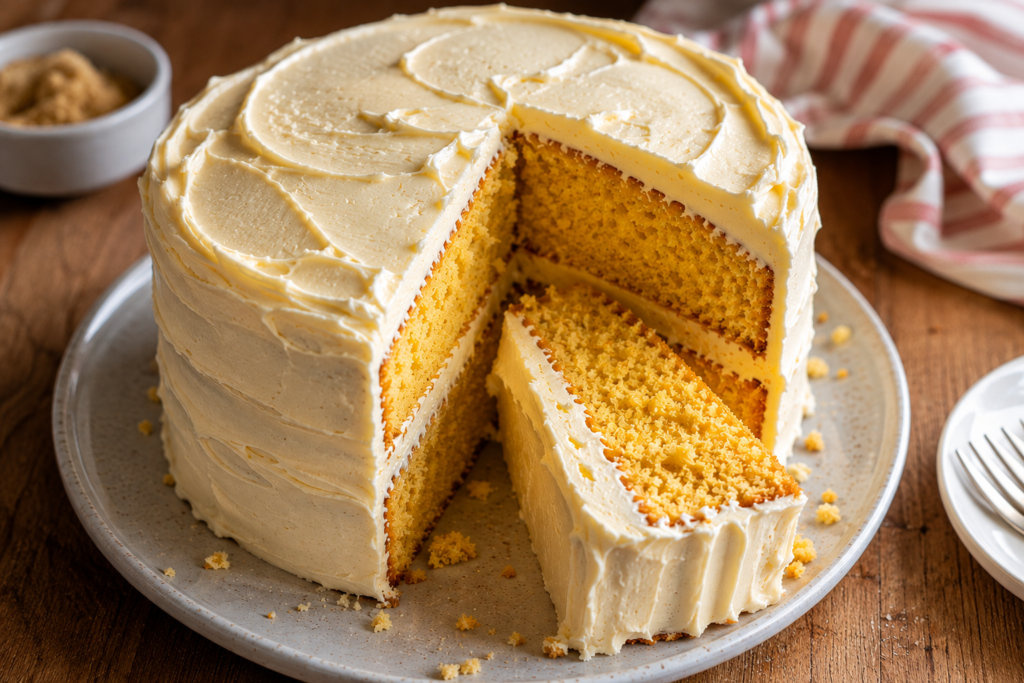
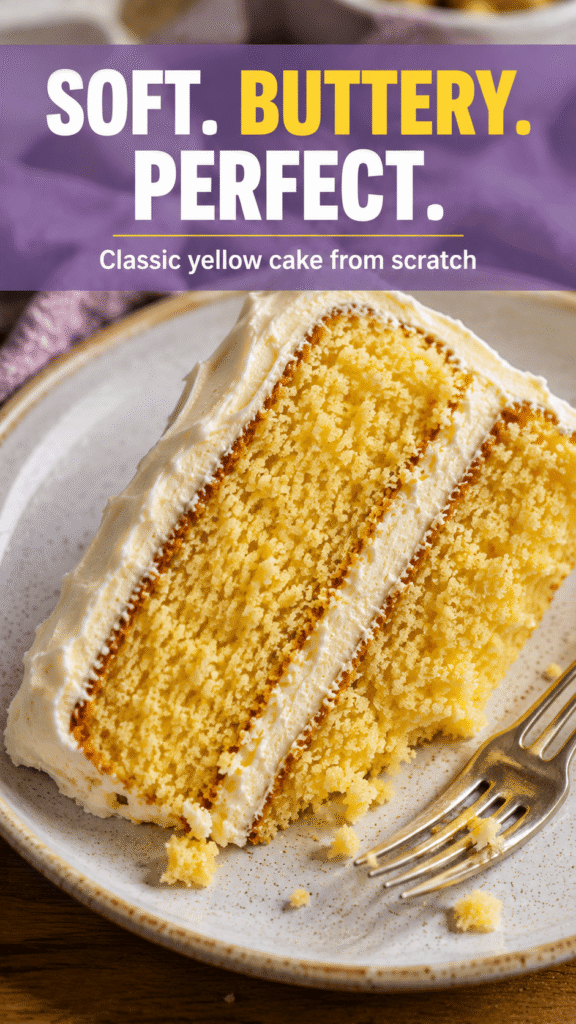
There’s nothing quite like a classic yellow cake fresh from the oven.
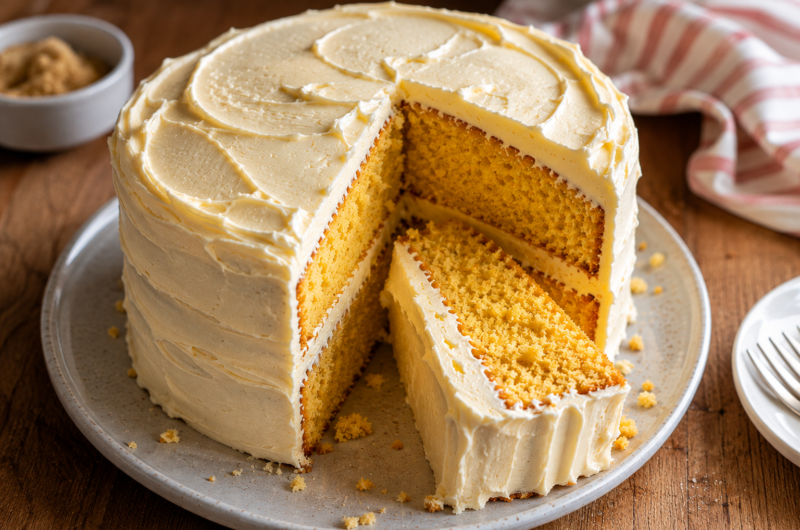
Its buttery flavor, tender crumb, and golden color make it a timeless homemade favorite.
This easy recipe is perfect for everyday treats or special celebrations, and it pairs beautifully with chocolate, vanilla, or cream cheese frosting.
Even beginner bakers can make a delicious cake with simple ingredients and a few easy steps.
Why You’ll Love This Classic Yellow Cake
- Soft and moist texture: Every bite is tender, fluffy, and satisfying.
- Rich buttery and vanilla flavor: Butter and vanilla give the cake a warm, classic taste.
- Simple pantry-friendly ingredients: You only need basic ingredients you likely already have.
- Easy to make from scratch: Simple steps make this recipe beginner-friendly.
- Versatile for frostings and fillings: Pair it with chocolate, vanilla, cream cheese frosting, or your favorite filling.
- Perfect for any occasion: Serve it for birthdays, holidays, celebrations, or a simple homemade dessert.
Ingredients You’ll Need
Dry Ingredients
- 2 cups (250 g) all-purpose flour
- 2 teaspoons baking powder
- ½ teaspoon salt
Wet Ingredients
- ½ cup (113 g) unsalted butter, softened
- 1½ cups (300 g) granulated sugar
- 3 large eggs, room temperature
- 2 teaspoons vanilla extract
- 1 cup (240 ml) whole milk
Optional Ingredients
- ½ cup (120 ml) buttermilk: Use in place of the whole milk for a slightly more tender crumb.
- ¼ cup (60 g) sour cream: Add for extra moisture and richness; reduce the milk to ¾ cup.
How to Make Classic Yellow Cake
1. Prepare the Cake Pans
Preheat your oven to 350°F (175°C), so it is fully heated when the batter is ready.
Grease two 8-inch round cake pans with softened butter or nonstick cooking spray.
Dust the pans lightly with flour, tapping out any excess to prevent the cake from sticking.
For easier removal, you can also place a round piece of parchment paper in the bottom of each pan.
Set the prepared pans aside while you make the batter.
2. Mix the Dry Ingredients
Add the 2 cups of flour, 2 teaspoons of baking powder, and ½ teaspoon of salt to a medium bowl.
Whisk the ingredients together until the baking powder and salt are evenly distributed throughout the flour.
This simple step helps the cake rise evenly and prevents pockets of salt or baking powder in the finished cake.
Set the dry mixture aside while you prepare the butter mixture.
3. Cream the Butter and Sugar
Place the ½ cup softened butter and 1½ cups granulated sugar in a large mixing bowl.
Beat them together with an electric mixer on medium speed for about 3 to 4 minutes, or until the mixture looks pale, light, and fluffy.
Properly creaming the butter and sugar helps trap tiny pockets of air in the mixture, which gives the cake a lighter and softer texture.
Make sure the butter is softened but not melted, as melted butter will not cream properly with the sugar.
4. Add the Eggs and Vanilla
Add the 3 eggs one at a time, mixing well after each addition.
Adding the eggs gradually helps them blend smoothly into the butter mixture instead of making the batter look curdled.
Add the 2 teaspoons of vanilla extract and mix until evenly incorporated.
Pause to scrape down the sides and bottom of the bowl with a spatula so all the ingredients are mixed evenly.
5. Combine the Wet and Dry Ingredients
Add about one-third of the dry ingredients to the butter mixture and mix on low speed until just combined.
Add about half of the 1 cup of whole milk and mix gently.
Continue alternating between the dry ingredients and milk, finishing with the remaining dry ingredients.
Mix only until you no longer see streaks of flour in the batter.
Overmixing can develop too much gluten, which may leave your cake dense instead of soft and tender.
6. Bake the Cake
Divide the batter evenly between the two prepared cake pans.
Use a spatula to gently smooth the tops so the layers bake evenly.
Place the pans on the center rack of the preheated oven.
Bake for approximately 25 to 30 minutes, or until the tops are lightly golden and a toothpick inserted into the center comes out clean or with a few moist crumbs.
Try not to open the oven door during the early part of baking, as a sudden drop in temperature can cause the cake to sink.
Remove the cakes from the oven and let them cool in their pans for about 10 minutes.
Carefully transfer the layers to a wire rack and allow them to cool completely before adding frosting.
7. Frost and Assemble
Place one completely cooled cake layer on a serving plate or cake stand.
Spread an even layer of your favorite frosting over the top.
Chocolate buttercream, vanilla buttercream, and cream cheese frosting all work especially well with yellow cake.
Place the second cake layer on top and gently press it down so it sits evenly.
Spread frosting over the top, then cover the sides with a thin or generous layer depending on your preference.
For a simple finish, smooth the frosting with a spatula and serve as is, or decorate with sprinkles, chocolate shavings, or fresh berries.
Best Frosting for Yellow Cake
Classic yellow cake is wonderfully versatile, so you can pair it with almost any frosting you enjoy.
Classic Chocolate Buttercream
Chocolate buttercream is a favorite pairing because the rich chocolate flavor balances the buttery sweetness of the yellow cake.
It creates a classic combination that works especially well for birthdays and celebrations.
For an extra chocolatey cake, spread a generous layer between the cake layers and over the top and sides.
Vanilla Buttercream
Vanilla buttercream keeps the cake simple while letting its buttery flavor shine.
It is smooth, sweet, and easy to decorate with sprinkles, fresh fruit, or other toppings.
This is also a great choice when you want a light-colored cake for birthdays or special occasions.
Chocolate Ganache
Chocolate ganache gives yellow cake a richer, more elegant finish.
Made with chocolate and cream, it creates a smooth topping with a deep chocolate flavor.
Pour slightly warm ganache over the cooled cake for a glossy finish, or let it cool longer and spread it like frosting.
Cream Cheese Frosting
Cream cheese frosting adds a pleasant tang that cuts through the sweetness of the cake.
Its creamy texture pairs beautifully with the soft yellow cake and makes a great choice for brunches, holidays, or family gatherings.
Keep the frosted cake refrigerated because cream cheese frosting is more perishable than buttercream.
Whipped Cream Frosting
Whipped cream frosting is a lighter option when you want something less rich.
Its airy texture works especially well with fresh strawberries, blueberries, raspberries, or sliced peaches.
For the best texture, frost the cake shortly before serving and keep it chilled until ready to enjoy.
Tips for Making the Best Yellow Cake
- Use room-temperature ingredients: Soft butter, eggs, and milk blend more smoothly and help create an even, tender batter.
- Measure flour correctly: Spoon flour into your measuring cup and level it off to avoid adding too much.
- Cream the butter and sugar thoroughly: Beat them until light and fluffy to help create a softer, lighter cake.
- Avoid overmixing the batter: Mix just until the ingredients are combined to prevent a dense or chewy texture.
- Don’t overbake the cake: Remove it when a toothpick comes out clean or with a few moist crumbs to keep the cake tender.
- Let the layers cool completely: Cool the cake before frosting so the frosting doesn’t melt or slide off.
- Use parchment paper: Lining the bottoms of the pans makes the cooled cake layers much easier to remove.
Common Mistakes to Avoid
- Using cold ingredients: Cold butter, eggs, and milk can make the batter less smooth and prevent the ingredients from combining evenly.
- Adding too much flour: Extra flour can make the cake dry and heavy, so measure it carefully.
- Overmixing the batter: Mixing too long can develop excess gluten and leave the cake dense instead of tender.
- Opening the oven too early: Opening the door too soon can cause the cake to lose heat and sink in the center.
- Overbaking the cake: Baking for too long removes moisture and can leave the edges and center dry.
- Frosting warm cake layers: Warm cake can melt the frosting, so let the layers cool completely before decorating.
Yellow Cake Variations
A classic yellow cake is easy to customize when you want to change the flavor or make it fit a special occasion.
Chocolate Yellow Cake
Give your yellow cake a richer finish by pairing it with a generous layer of chocolate buttercream.
For extra chocolate flavor, fold ½ cup of chocolate chips into the batter before dividing it between the cake pans.
Milk chocolate, semisweet, or dark chocolate chips can all work well depending on how rich you want the cake to taste.
Lemon Yellow Cake
Fresh lemon adds a bright flavor that works beautifully with the buttery cake.
Add 1 tablespoon of finely grated lemon zest and 1 tablespoon of fresh lemon juice to the batter.
For an even stronger lemon flavor, finish the cooled cake with lemon buttercream or a simple lemon glaze.
Funfetti Yellow Cake
Turn this classic cake into a colorful treat by gently folding ½ cup of rainbow sprinkles into the finished batter.
Use jimmies rather than tiny nonpareils because they are less likely to bleed their color into the batter.
Add extra sprinkles over the frosting for a fun finish that is perfect for birthdays and celebrations.
Layered Birthday Cake
For a classic birthday cake, bake the recipe as two layers and fill them with your favorite frosting.
You can also make a three-layer cake by dividing the batter between three 6-inch cake pans and adjusting the baking time as needed.
Cover the cake with colorful frosting and finish it with sprinkles, candles, or your favorite decorations.
Let the cake cool completely before decorating so the frosting stays smooth and the layers remain easy to handle.
How to Store Yellow Cake
Store unfrosted yellow cake at room temperature in an airtight container or tightly wrapped in plastic wrap to keep it soft and prevent it from drying out.
If the cake is frosted with buttercream, it can usually be kept covered at room temperature for up to 2 days, provided the frosting does not contain ingredients that require refrigeration.
Refrigerate cakes topped with cream cheese or whipped cream frosting, keeping them covered to prevent the cake from absorbing odors and losing moisture.
Before serving refrigerated cake, let it sit at room temperature for about 30 minutes so the texture softens and the flavors are easier to enjoy.
For longer storage, wrap completely cooled unfrosted cake layers tightly in plastic wrap, followed by a layer of aluminum foil, and freeze for up to 3 months.
Thaw frozen cake layers overnight in the refrigerator or for several hours at room temperature while still wrapped.
For the best texture and flavor, enjoy freshly baked yellow cake within 2 to 3 days, although properly wrapped or frozen cake can last much longer.
What to Serve With Yellow Cake
- Fresh berries: Strawberries, raspberries, blueberries, or blackberries add a fresh, slightly tart contrast to the sweet cake.
- Vanilla ice cream: A scoop of cold, creamy vanilla ice cream pairs perfectly with warm or room-temperature yellow cake.
- Whipped cream: Light and fluffy whipped cream adds a simple topping without making the dessert too heavy.
- Chocolate sauce: Drizzle chocolate sauce over each slice for an extra-rich and indulgent finish.
- Fresh fruit compote: Warm berries or other cooked fruit add sweetness, moisture, and a bright fruity flavor.
- Coffee or tea: Serve a slice with your favorite coffee or tea for an easy afternoon treat or dessert.
Final Thoughts
This classic yellow cake is simple to make, wonderfully moist, and full of buttery flavor.
Top it with your favorite frosting, add a few fun decorations, and enjoy a homemade dessert that is perfect for birthdays, holidays, or an everyday sweet treat.
FAQs
What makes a yellow cake yellow?
Egg yolks and butter give traditional yellow cake its golden color, rich flavor, and tender texture.
What is the difference between yellow cake and vanilla cake?
Yellow cake usually has a richer, more buttery texture and deeper golden color, while vanilla cake is often lighter and paler.
Can I make yellow cake in a 9×13-inch pan?
Yes, you can bake this recipe in a greased 9×13-inch pan, but the baking time may vary, so check the center with a toothpick for doneness.
Can I make this cake ahead of time?
Yes, bake the cake layers up to 1–2 days ahead, let them cool completely, then wrap them tightly and store them at room temperature until ready to frost.
Can I freeze homemade yellow cake?
Yes, wrap completely cooled unfrosted layers tightly in plastic wrap and aluminum foil, then freeze for up to 3 months and thaw while still wrapped.
Why did my yellow cake turn out dry?
Overbaking, adding too much flour, or overmixing the batter can remove moisture and create a dry, dense cake.
Classic Yellow Cake Recipe: Moist, Buttery & Easy to Make
Difficulty: Easy10
Slices20
minutes30
minutes50
minutesA soft, moist, buttery yellow cake with a tender golden crumb and rich vanilla flavor, finished with your favorite frosting.
Ingredients
2 cups (250 g) all-purpose flour
2 teaspoons baking powder
½ teaspoon salt
½ cup (113 g) unsalted butter, softened
1½ cups (300 g) granulated sugar
3 large eggs, room temperature
2 teaspoons vanilla extract
1 cup (240 ml) whole milk, room temperature
3 cups frosting of your choice, for decorating
Directions
- Prepare the pans: Preheat the oven to 350°F (175°C). Grease and flour two 8-inch round cake pans, then line the bottoms with parchment paper if desired.
- Mix the dry ingredients: Whisk together the flour, baking powder, and salt in a medium bowl.
- Cream the butter and sugar: Beat the softened butter and sugar for 3–4 minutes, until pale and fluffy. This helps create a light, tender cake.
- Add the eggs and vanilla: Beat in the eggs one at a time, mixing well after each addition. Add the vanilla and scrape down the sides of the bowl.
- Finish the batter: Add the dry ingredients in three additions, alternating with the milk. Mix on low speed just until combined, being careful not to overmix.
- Bake: Divide the batter evenly between the prepared pans and smooth the tops. Bake for 25–30 minutes, or until a toothpick inserted into the center comes out clean or with a few moist crumbs.
- Cool: Let the cakes cool in their pans for 10 minutes, then transfer them to a wire rack and cool completely.
- Frost: Place one cake layer on a serving plate and spread frosting over the top. Add the second layer, then frost the top and sides.
Notes
- Use room-temperature ingredients for a smoother, more evenly mixed batter.
- Measure the flour carefully to prevent a dry cake.
- Do not overmix once the flour is added.
- Let the cake cool completely before frosting.
- Chocolate buttercream, vanilla buttercream, cream cheese frosting, and chocolate ganache all pair well with yellow cake.
- Store the frosted cake covered at room temperature for up to 2 days, depending on the frosting used.

Hi, I’m Sorenna Blythe, the baker and writer behind Mix Whisk Bake. I share simple, reliable recipes and honest kitchen moments to help home bakers bake with confidence and joy. When I’m not testing new treats, you’ll find me sipping coffee and dreaming up my next bake.