This page may contain affiliate links. As an Amazon Associate, I earn from qualifying purchases. If you choose to make a purchase after clicking a link, I may receive a commission at no additional cost to you. My goal is to provide helpful and valuable content, and any commissions help me maintain this site and continue creating high-quality content for my readers. Thank you for your support!
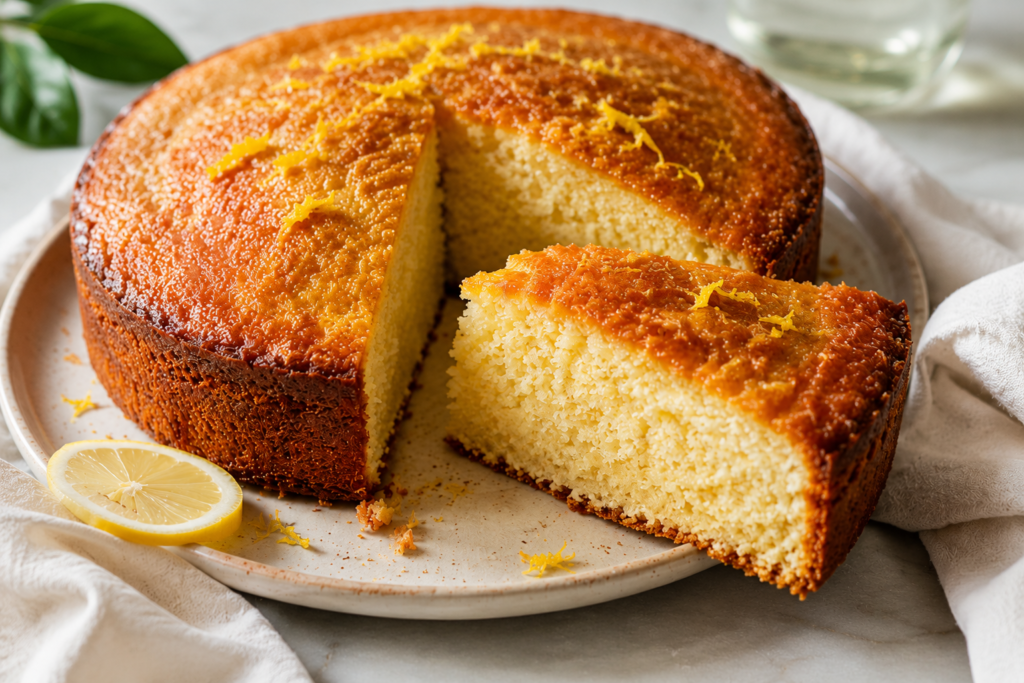
Olive oil cake is wonderfully moist, tender, and lightly fruity, with a rich flavor that feels special without being complicated.
Olive oil replaces butter to create a soft crumb while adding a subtle depth of flavor.
Best of all, this easy cake comes together with simple ingredients and is perfect for dessert, brunch, or enjoying with your afternoon coffee.
What Is Olive Oil Cake?
Olive oil cake is a simple cake made with olive oil instead of butter, giving it a moist, tender crumb and a gently rich flavor.
Unlike butter, which is solid at room temperature, olive oil stays liquid, helping the cake remain soft and moist while adding its own subtle flavor.
A good olive oil should complement the cake rather than overpower it, so choose one with a mild or pleasantly fruity taste if you prefer a delicate flavor.
Extra-virgin olive oil works especially well and can add light fruity, grassy, or slightly peppery notes that make the cake more interesting without making it taste savory.
The result is a tender cake that is easy to prepare and pairs beautifully with powdered sugar, fresh fruit, whipped cream, or a cup of coffee.

Why You’ll Love This Olive Oil Cake
- Moist and tender texture: Olive oil helps create a soft, delicate crumb that stays moist.
- Simple ingredients: Made with everyday baking staples, so there’s no need for anything complicated.
- Easy one-bowl preparation: Mix everything in one bowl for less cleanup and a simple baking process.
- Rich flavor without being overly sweet: Olive oil adds depth and richness while keeping the cake balanced.
- Great for any occasion: Serve it as a dessert, brunch treat, or alongside your afternoon tea or coffee.
Olive Oil Cake Ingredients
Olive Oil
- ½ cup (120 ml) extra-virgin olive oil: Choose a good-quality mild or fruity olive oil for a pleasant flavor that complements the cake without overpowering it.
Flour
- 1½ cups (190 g) all-purpose flour: Provides the structure the cake needs while keeping the crumb light and tender.
Eggs
- 3 large eggs: Add structure, moisture, and richness while helping the cake hold together as it bakes.
Sugar
- ¾ cup (150 g) granulated sugar: Sweetens the cake and helps create a soft, tender texture.
Milk
- ½ cup (120 ml) whole milk: Adds moisture and helps produce a tender, delicate crumb.
Flavorings
- 1 teaspoon vanilla extract: Adds a warm, sweet flavor.
- 1 tablespoon lemon or orange zest: Brightens the cake with a fresh citrus note.
- ½ teaspoon almond extract (optional): Adds a subtle nutty flavor that pairs well with olive oil.
Leavening Ingredients
- 1½ teaspoons baking powder: Helps the cake rise and keeps it light.
- ½ teaspoon baking soda: Provides additional lift and helps create a tender texture.
- ½ teaspoon salt: Balances the sweetness and enhances the other flavors.
How to Make Olive Oil Cake
Step 1: Prepare the Pan and Oven
Preheat your oven to 350°F (175°C) so it reaches the right temperature before the cake goes in.
Grease a 9-inch (23 cm) round cake pan with a little olive oil or nonstick spray, then line the bottom with parchment paper.
The parchment makes it much easier to remove the cake cleanly once it has cooled.
Step 2: Mix the Wet Ingredients
In a large mixing bowl, whisk together 3 large eggs and ¾ cup (150 g) granulated sugar until the mixture looks smooth and slightly lighter.
Add ½ cup (120 ml) olive oil, ½ cup (120 ml) whole milk, 1 teaspoon vanilla extract, and 1 tablespoon lemon or orange zest.
Whisk everything until well combined and the olive oil is evenly blended into the mixture.
If you’re using almond extract, add ½ teaspoon at this stage for a subtle nutty flavor.
Step 3: Add the Dry Ingredients
In a separate bowl, whisk together 1½ cups (190 g) all-purpose flour, 1½ teaspoons baking powder, ½ teaspoon baking soda, and ½ teaspoon salt.
Gradually add the dry ingredients to the wet mixture, stirring gently as you go.
Mix only until the flour disappears and the batter looks smooth, as overmixing can make the finished cake heavier.
A few small lumps are fine, so resist the urge to keep stirring until the batter is perfectly smooth.
Step 4: Bake the Cake
Pour the batter into the prepared cake pan and gently spread it into an even layer.
Place the pan in the center of the preheated oven and bake for 35–40 minutes, or until the top is golden and a toothpick inserted into the center comes out clean or with a few moist crumbs.
Try not to open the oven during the first 30 minutes, as a sudden drop in temperature can affect how the cake rises.
If the top starts browning too quickly, loosely cover it with aluminum foil for the remaining baking time.
Step 5: Cool and Serve
Remove the cake from the oven and let it cool in the pan for about 10–15 minutes.
Carefully run a knife around the edges, then transfer the cake to a wire rack to cool completely.
Once cooled, dust the top with powdered sugar for a simple finish, or serve it with fresh berries, whipped cream, or a light citrus glaze.
For the cleanest slices, let the cake cool completely before cutting, although a slightly warm slice is especially delicious with a cup of coffee.
Tips for Making the Best Olive Oil Cake
- Use good-quality olive oil: Choose a mild or fruity olive oil that adds pleasant flavor without overpowering the cake.
- Measure flour accurately: Too much flour can make the cake dry and dense, so use a kitchen scale or spoon the flour into your measuring cup and level it.
- Avoid overmixing the batter: Stir just until the ingredients are combined to keep the cake light and tender.
- Use room-temperature ingredients: Let the eggs and milk sit out briefly before mixing so they blend more evenly into the batter.
- Don’t overbake the cake: Remove it when a toothpick comes out clean or with a few moist crumbs to prevent a dry texture.
- Cool before slicing: Let the cake cool completely so it sets properly and produces cleaner, more even slices.
Olive Oil Cake Variations
- Lemon Olive Oil Cake: Add extra lemon zest and a splash of fresh lemon juice for a bright, refreshing citrus flavor.
- Orange Olive Oil Cake: Use fresh orange zest and juice to give the cake a sweeter, softer citrus taste.
- Almond Olive Oil Cake: Add almond extract or ground almonds for a subtle nutty flavor and richer texture.
- Chocolate Olive Oil Cake: Replace a small portion of the flour with cocoa powder and add chocolate chips for a rich chocolate version.
- Berry Olive Oil Cake: Gently fold fresh blueberries, raspberries, or strawberries into the batter for bursts of fruity flavor.
- Glazed Olive Oil Cake: Drizzle a simple glaze made with powdered sugar and citrus juice over the cooled cake for a sweet, tangy finish.
What to Serve With Olive Oil Cake
- Fresh berries: Add blueberries, raspberries, or strawberries for a fresh burst of flavor.
- Whipped cream: A spoonful of lightly sweetened whipped cream adds a soft, creamy contrast.
- Greek yogurt: Serve with plain or lightly sweetened Greek yogurt for a tangy, creamy pairing.
- Powdered sugar: Dust the top with powdered sugar for a simple and elegant finish.
- Citrus glaze: Drizzle with lemon or orange glaze for extra sweetness and bright citrus flavor.
- Fresh fruit: Sliced peaches, oranges, or other seasonal fruit make an easy and refreshing side.
- Ice cream: Serve a warm slice with vanilla ice cream for a richer dessert.
How to Store Olive Oil Cake
Store the cooled olive oil cake in an airtight container or cover it tightly with plastic wrap to keep it from drying out.
It can be kept at room temperature in a cool, dry place for up to 3 days, making it easy to prepare ahead for guests or a weekend treat.
If the cake has a perishable topping such as whipped cream, fresh dairy, or a cream-based frosting, refrigerate it instead and keep it covered.
For longer storage, wrap the cooled cake tightly in plastic wrap and place it in a freezer-safe bag or container.
Freeze the cake for up to 3 months, then thaw it overnight in the refrigerator or at room temperature until completely soft.
For the best texture, add powdered sugar, glaze, fresh fruit, or other toppings after thawing rather than before freezing.
Final Thoughts
This olive oil cake is moist, tender, and easy to make with simple ingredients, making it a delicious choice for almost any occasion.
Try adding lemon, orange, fresh berries, or your favorite topping to make the recipe your own.
FAQs
Does olive oil cake taste like olive oil?
It can, but the flavor depends on the olive oil you use. A mild or fruity olive oil gives the cake a subtle flavor, while stronger oils create a more noticeable olive taste.
Can I use extra virgin olive oil for cake?
Yes, extra-virgin olive oil works well in cake and can add pleasant fruity, grassy, or slightly peppery notes. Choose one with a flavor you enjoy on its own.
Can I substitute olive oil for butter in a cake?
Yes, olive oil can replace butter in many cake recipes, although it will create a slightly different texture and flavor. Olive oil generally produces a moist, tender crumb.
Why is my olive oil cake dense?
A dense cake can result from overmixing the batter, using too much flour, or using baking powder or baking soda that is no longer fresh. Measure ingredients carefully and mix only until combined.
How do I keep olive oil cake moist?
Use the recommended amount of olive oil and avoid overbaking the cake. Once cooled, store it tightly covered in an airtight container to help prevent it from drying out.
Can I make olive oil cake ahead of time?
Yes, you can make it up to 3 days ahead and keep it covered at room temperature. For longer storage, wrap the cooled cake well and freeze it for up to 3 months.
Easy Olive Oil Cake Recipe: Moist, Tender & Delicious
Difficulty: Easy10
Slices15
minutes40
minutes55
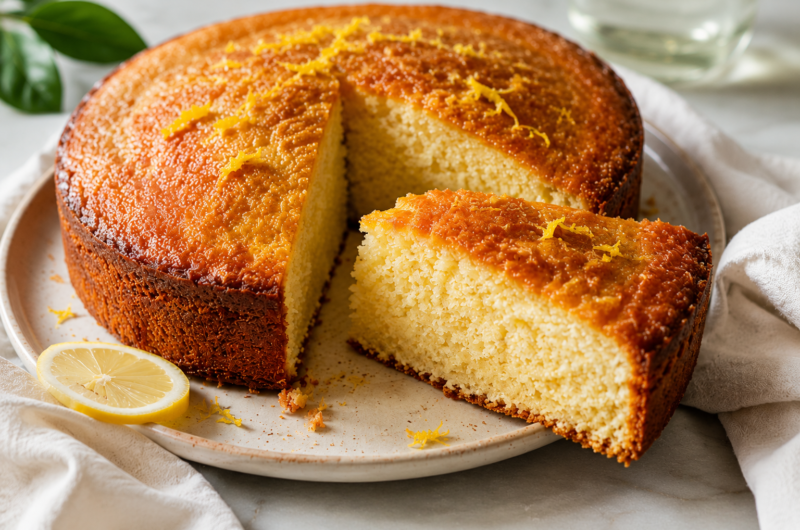
minutesA moist, tender olive oil cake with a lightly fruity flavor, subtle citrus notes, and a golden-brown crust.
Ingredients
½ cup (120 ml) extra-virgin olive oil
¾ cup (150 g) granulated sugar
3 large eggs, room temperature
½ cup (120 ml) whole milk, room temperature
1 teaspoon vanilla extract
1 tablespoon finely grated lemon or orange zest
1½ cups (190 g) all-purpose flour
1½ teaspoons baking powder
½ teaspoon baking soda
½ teaspoon salt
½ teaspoon almond extract, optional
Powdered sugar, for serving, optional
Directions
- Prepare the oven and pan: Preheat the oven to 350°F (175°C). Grease a 9-inch (23 cm) round cake pan and line the bottom with parchment paper.
- Mix the wet ingredients: In a large bowl, whisk the eggs and sugar until smooth and slightly lighter in color. Add the olive oil, milk, vanilla, and citrus zest, then whisk until well combined.
- Combine the dry ingredients: In a separate bowl, whisk together the flour, baking powder, baking soda, and salt.
- Make the batter: Gradually add the dry ingredients to the wet mixture, stirring gently until just combined. Do not overmix the batter.
- Bake: Pour the batter into the prepared pan and smooth the top. Bake for 35–40 minutes, or until the cake is golden and a toothpick inserted into the center comes out clean or with a few moist crumbs.
- Cool: Let the cake cool in the pan for 10–15 minutes, then transfer it to a wire rack and allow it to cool completely.
- Serve: Dust with powdered sugar if desired, then slice and serve with fresh berries, whipped cream, yogurt, or a cup of coffee.
Notes
- Use a mild or fruity olive oil if you prefer a subtle olive oil flavor.
- Room-temperature eggs and milk blend more easily into the batter.
- Avoid overmixing once the flour is added to keep the cake tender.
- Don’t overbake; a few moist crumbs on the toothpick are fine.
- Store the cooled cake covered at room temperature for up to 3 days.
- For longer storage, wrap the cake tightly and freeze for up to 3 months.

Hi, I’m Sorenna Blythe, the baker and writer behind Mix Whisk Bake. I share simple, reliable recipes and honest kitchen moments to help home bakers bake with confidence and joy. When I’m not testing new treats, you’ll find me sipping coffee and dreaming up my next bake.