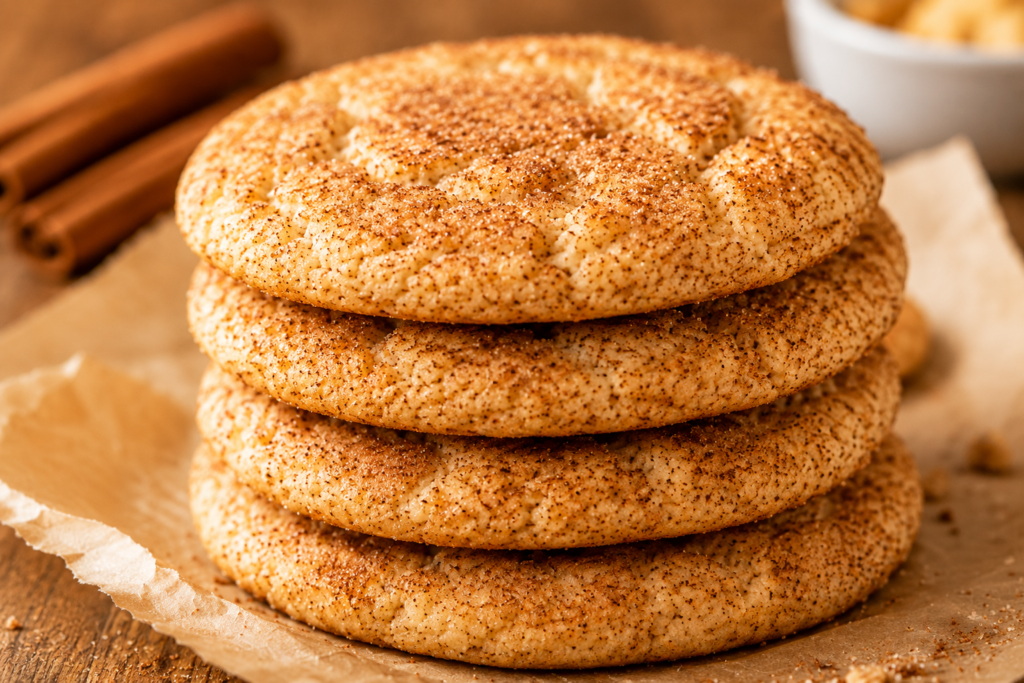
Few cookies are as comforting as a homemade snickerdoodle.
With their soft, chewy centers and sweet cinnamon-sugar coating, these classic treats are simple to make and always a crowd-pleaser.
What makes snickerdoodles stand out is their unique flavor and texture.
The cinnamon-sugar coating adds a warm, sweet crunch, while the cookies stay soft and tender on the inside.
It’s a combination that keeps people coming back for more.
In this recipe, you’ll learn exactly how to make perfectly soft and flavorful snickerdoodle cookies, along with helpful tips to ensure great results every time.
What Are Snickerdoodle Cookies?
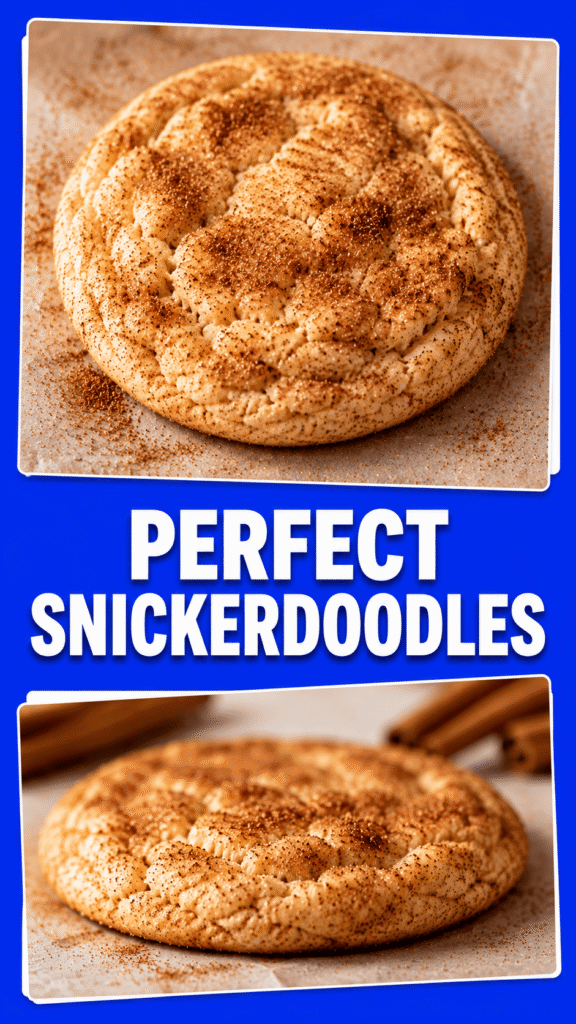
Snickerdoodle cookies are soft, buttery cookies rolled in a mixture of cinnamon and sugar before baking.
They are known for their slightly tangy flavor, chewy texture, and beautifully cracked tops.
While they may look similar to sugar cookies at first glance, snickerdoodles have a flavor and texture all their own.
Their warm cinnamon coating and tender bite make them one of the most recognizable homemade cookies around.
For many people, the smell of snickerdoodles baking in the oven instantly brings back memories of family gatherings, holiday baking, and cozy afternoons in the kitchen.
The History of Snickerdoodles
Snickerdoodles have been enjoyed for generations and are considered one of America’s classic cookie recipes.
Although the exact origin of the cookie is still debated, many food historians believe the recipe may have roots in German or Dutch baking traditions.
Some believe the unusual name came from a German word, while others think it was simply a playful name created by New England bakers.
No matter where the name came from, the cookie quickly found a place in American kitchens.
Recipes for snickerdoodles began appearing in cookbooks during the late 1800s and have remained popular ever since.
Their simple ingredients and comforting flavor helped them become a favorite homemade treat across the country.
Origins of the Cookie
The earliest versions of snickerdoodles were made with basic baking ingredients that most families already had on hand.
Butter, sugar, flour, eggs, and spices formed the foundation of the recipe.
One ingredient, however, helped set these cookies apart from many others.
Cream of tartar became a key part of traditional snickerdoodle recipes, giving them their signature tangy flavor and soft texture.
This small addition transformed an ordinary cookie dough into something unique.
Over time, bakers continued passing the recipe down through generations, helping preserve its classic taste and appearance.
How Snickerdoodles Became a Popular American Dessert
Snickerdoodles gained popularity because they were affordable, easy to make, and consistently delicious.
Families could prepare them without needing special equipment or hard-to-find ingredients.
Their sweet cinnamon coating added extra flavor without making the recipe complicated.
As home baking became more common, snickerdoodles earned a reputation as a dependable cookie that worked for almost any occasion.
They became regular additions to holiday cookie trays, school bake sales, family gatherings, and weekend baking projects.
Today, they remain a favorite because they deliver comforting flavor with very little effort.
What Makes Them Different from Sugar Cookies?
At a glance, snickerdoodles and sugar cookies may seem nearly identical.
Both are soft, sweet, and made from many of the same ingredients.
The difference becomes clear after the first bite.
Snickerdoodles have a slightly tangy flavor, a softer texture, and a warm cinnamon-sugar coating that sets them apart from traditional sugar cookies.
These small differences create a cookie with its own personality and charm.
Cream of Tartar’s Role
Cream of tartar is one of the most important ingredients in a classic snickerdoodle recipe.
It is a baking ingredient that helps create the cookie’s signature flavor and texture.
The slight tanginess it adds balances the sweetness of the dough.
It also helps create a softer, chewier cookie.
Without cream of tartar, the cookies would taste much closer to regular sugar cookies.
If you want that classic snickerdoodle flavor, this ingredient is worth including.
Distinct Flavor and Texture Differences
Sugar cookies are typically sweet and buttery with a simple flavor profile.
Snickerdoodles offer something a little more complex.
The combination of cinnamon, sugar, and cream of tartar creates a warm, slightly tangy flavor that feels comforting and familiar.
The texture is often softer and chewier as well.
Many bakers love how the centers stay tender while the edges develop a light crispness.
That balance makes every bite satisfying.
Signature Cracked Appearance
One of the easiest ways to identify a snickerdoodle is by its cracked top.
As the cookies bake, the dough spreads and rises, creating beautiful cracks across the surface.
The cinnamon-sugar coating settles into these cracks, giving the cookies their classic look.
Those crackled tops are not a mistake.
They are a sign that the cookies baked properly and developed the texture snickerdoodle fans love.
Why You’ll Love This Recipe
Soft and Chewy Centers
One of the best parts of a great snickerdoodle is its soft center.
These cookies stay tender without feeling underbaked.
Each bite has a pleasant chewiness that makes you want another cookie.
The texture remains soft even after the cookies have cooled.
Crispy Cinnamon-Sugar Exterior
The cinnamon-sugar coating creates a thin, slightly crisp layer around each cookie.
As the cookies bake, the coating develops a delicate crunch that contrasts beautifully with the soft center.
That combination of textures is part of what makes snickerdoodles so satisfying.
Easy Pantry Ingredients
Most of the ingredients used in this recipe are already found in many kitchens.
You won’t need anything complicated or difficult to locate.
Simple ingredients often produce the best results, and snickerdoodles are a perfect example.
Beginner-Friendly Baking Process
This recipe is designed to be approachable and stress-free.
The steps are easy to follow and don’t require advanced baking skills.
If you’re new to baking, this is a great recipe to build confidence.
The dough comes together quickly, and the cookies are very forgiving.
Perfect for Holidays, Parties, and Everyday Treats
Snickerdoodles fit almost any occasion.
They look beautiful on holiday dessert trays and disappear quickly at parties.
They’re also simple enough to bake on an ordinary afternoon when you’re craving something homemade.
Ingredients You’ll Need
For the Cookie Dough
- 2¾ cups (345g) all-purpose flour
- 1 teaspoon baking soda
- 2 teaspoons cream of tartar
- ½ teaspoon salt
- 1 cup (226g) unsalted butter, softened
- 1½ cups (300g) granulated sugar
- 2 large eggs, room temperature
- 1 teaspoon vanilla extract
For the Cinnamon-Sugar Coating
- ¼ cup (50g) granulated sugar
- 1½ tablespoons ground cinnamon
Equipment Needed
A few basic baking tools are all it takes to create soft, chewy cookies with ease.
- Mixing bowls – You’ll need one bowl for the dry ingredients and another for the wet ingredients.
- Electric mixer or stand mixer – Helps cream the butter and sugar together until light and fluffy, which creates a better cookie texture.
- Measuring cups and spoons – Accurate measurements help ensure consistent results every time.
- Baking sheets – Provides enough space for the cookies to spread evenly while baking.
- Parchment paper – Prevents sticking and makes cleanup much easier.
- Cooling rack – Allows air to circulate around the cookies so they cool properly without becoming soggy on the bottom.
Step-by-Step Snickerdoodle Cookies Recipe
Step 1: Prepare the Oven and Baking Sheets
Preheat your oven to 375°F (190°C) before you begin mixing the dough.
Starting with a fully heated oven helps the cookies bake evenly and develop their signature soft centers.
Line two baking sheets with parchment paper.
Parchment paper prevents sticking and makes cleanup much easier.
If you don’t have parchment paper, a lightly greased baking sheet will also work.
Set the prepared baking sheets aside so they’re ready when it’s time to bake.
Step 2: Mix the Dry Ingredients
In a medium mixing bowl, add the flour, baking soda, cream of tartar, and salt.
Whisk the ingredients together until everything is evenly combined.
This simple step helps distribute the leavening agents throughout the flour.
Even distribution ensures the cookies rise properly and develop a consistent texture.
Take a few extra seconds to break up any small lumps you see.
Set the bowl aside while you prepare the wet ingredients.
Step 3: Cream the Butter and Sugar
Place the softened butter and granulated sugar into a large mixing bowl.
Using an electric mixer, beat them together on medium speed for about 2 to 3 minutes.
The mixture should become lighter in color and noticeably fluffy.
This process, called creaming, traps small air pockets in the dough.
Those air pockets help create cookies that are soft and tender rather than dense.
If the butter is still cold, allow it to sit at room temperature for a little longer before mixing.
Softened butter blends much more easily and produces better results.
Step 4: Add Eggs and Vanilla
Add the eggs one at a time.
Mix well after each addition until fully incorporated.
Adding the eggs gradually helps create a smooth and stable dough.
Pour in the vanilla extract and continue mixing until everything is combined.
The dough should look creamy and uniform at this stage.
Scrape down the sides of the bowl if needed to make sure all the ingredients are evenly mixed.
Step 5: Combine Wet and Dry Ingredients
Gradually add the dry ingredient mixture to the wet ingredients.
Mix on low speed until the flour disappears into the dough.
Stop mixing as soon as no dry streaks remain.
Overmixing can develop too much gluten, which may make the cookies less tender.
The finished dough should feel soft and slightly thick.
If it looks sticky, don’t worry.
The cinnamon-sugar coating will help make it easier to handle.
Step 6: Make the Cinnamon-Sugar Mixture
In a small bowl, combine ¼ cup granulated sugar and 1½ tablespoons ground cinnamon.
Stir until the cinnamon is evenly distributed throughout the sugar.
This ratio creates a warm cinnamon flavor without overpowering the cookie itself.
The coating adds sweetness, texture, and the classic snickerdoodle appearance.
Set the mixture nearby for the next step.
Step 7: Roll and Coat the Dough Balls
Scoop about 1½ tablespoons of dough for each cookie.
Roll the dough between your palms to create smooth balls.
Roll each dough ball in the cinnamon-sugar mixture until completely coated.
Make sure every side is covered.
An even coating helps create a consistent flavor and gives the cookies their beautiful finish.
Place the coated dough balls on the prepared baking sheets.
Leave about 2 inches of space between each cookie to allow room for spreading.
Step 8: Bake the Cookies
Bake the cookies for 8 to 10 minutes.
Keep an eye on them during the final few minutes of baking.
The edges should look set while the centers remain slightly soft.
The tops will develop the classic crackled appearance that snickerdoodles are known for.
Avoid waiting until the centers look completely firm.
The cookies will continue cooking from residual heat after they leave the oven.
Slightly underbaked centers are the secret to a soft and chewy texture.
Step 9: Cool and Serve
Allow the cookies to rest on the baking sheet for about 5 minutes.
This short cooling period helps them finish setting without becoming dry.
Carefully transfer the cookies to a wire cooling rack.
The rack allows air to circulate around the cookies, preventing the bottoms from becoming soggy.
Once cooled, the cookies will have a soft center, lightly crisp edges, and a delicious cinnamon-sugar coating.
Serve them with a glass of milk, a cup of coffee, or simply enjoy them on their own.
Every bite delivers the classic flavor and texture that make snickerdoodles such a beloved homemade treat.
Tips for Perfect Snickerdoodle Cookies
- Use Room Temperature Ingredients – Softened butter and room-temperature eggs mix more easily and create a smoother, more evenly textured dough.
- Don’t Skip the Cream of Tartar – This key ingredient gives snickerdoodles their signature tangy flavor and soft, chewy texture.
- Avoid Overbaking – Remove the cookies when the edges are set and the centers still look slightly soft to keep them tender.
- Measure Flour Correctly – Spoon the flour into your measuring cup and level it off to avoid adding too much, which can make the cookies dry.
- Chill the Dough if Needed – If the dough feels too soft or sticky, chilling it for 20 to 30 minutes can make it easier to handle and help prevent excessive spreading.
Common Mistakes to Avoid
- Flat Cookies – Butter that is too warm or dough that hasn’t been chilled can cause the cookies to spread too much while baking.
- Dry or Crumbly Texture – Adding too much flour or baking the cookies too long can make them lose their soft, chewy texture.
- Uneven Cinnamon Coating – Rolling the dough balls thoroughly in the cinnamon-sugar mixture ensures consistent flavor and appearance.
- Overmixed Dough – Mixing the dough longer than necessary can result in tougher cookies instead of soft and tender ones.
Recipe Variations
Soft and Extra Chewy Snickerdoodles
If you love cookies with a soft center, there are a few easy ways to make your snickerdoodles even chewier.
Try slightly reducing the baking time and removing the cookies from the oven as soon as the edges are set.
The centers should still look a little soft when you take them out.
They will continue to firm up as they cool.
You can also add an extra egg yolk to the dough.
The additional yolk adds richness and helps create a softer texture.
For the best results, store the cookies in an airtight container once they have cooled completely.
Crispy Snickerdoodles
Some people prefer snickerdoodles with a crisp bite instead of a soft, chewy center.
To achieve this texture, flatten the dough balls slightly before baking.
This allows the cookies to spread more evenly and become crisp throughout.
You can also bake them for an extra minute or two.
Keep a close eye on them during the final minutes to prevent burning.
The finished cookies will have a light crunch while still maintaining their cinnamon-sugar flavor.
Brown Butter Snickerdoodles
Brown butter adds a rich, nutty flavor that pairs beautifully with cinnamon.
To make brown butter, melt the butter in a saucepan over medium heat until it turns golden brown and develops a toasted aroma.
Allow it to cool before using it in the dough.
The result is a deeper, more complex flavor that makes the cookies feel extra special.
Brown butter snickerdoodles are a great option when you want to elevate a classic recipe without adding complicated ingredients.
Pumpkin Snickerdoodles
Pumpkin snickerdoodles are perfect when you’re craving warm fall flavors.
Add a small amount of pumpkin puree and a pinch of pumpkin pie spice to the dough.
The pumpkin creates a softer texture and adds subtle sweetness.
Because pumpkin contains extra moisture, you may need to chill the dough before rolling and baking.
The cinnamon-sugar coating complements the pumpkin flavor perfectly.
These cookies are especially popular during autumn and holiday baking season.
Gluten-Free Snickerdoodles
Making gluten-free snickerdoodles is simple with a good-quality gluten-free flour blend.
Choose a blend designed for baking that can be substituted cup-for-cup for regular flour.
The rest of the ingredients typically remain the same.
The cookies may have a slightly different texture, but they will still be soft, flavorful, and delicious.
Always check ingredient labels to ensure they are certified gluten-free if needed.
Vegan Snickerdoodles
Vegan snickerdoodles can be just as soft and satisfying as traditional versions.
Replace the butter with a plant-based butter alternative.
Use a flax egg or another egg substitute in place of the eggs.
A flax egg is made by mixing one tablespoon of ground flaxseed with three tablespoons of water and letting it sit for a few minutes.
The dough comes together much like the original recipe.
The finished cookies still deliver the classic cinnamon-sugar flavor that makes snickerdoodles so hard to resist.
Don’t be afraid to try different variations until you find your favorite.
How to Store Snickerdoodle Cookies
Room Temperature Storage
Room temperature storage is the best option for cookies you plan to enjoy within a few days.
Allow the cookies to cool completely before storing them.
Placing warm cookies into a container can create moisture, which may affect their texture.
Transfer the cooled cookies to an airtight container.
A well-sealed container helps prevent the cookies from drying out.
Store the container in a cool, dry place away from direct sunlight and heat sources.
Properly stored snickerdoodles typically stay fresh for up to 5 days.
If you’d like to keep them especially soft, place a small piece of bread inside the container.
The bread helps maintain moisture without affecting the flavor of the cookies.
Replace the bread if it becomes stale.
Refrigerating Cookie Dough
Refrigerating cookie dough is a great option if you want to prepare the dough ahead of time.
Once the dough is mixed, cover it tightly with plastic wrap or transfer it to an airtight container.
The dough can be stored in the refrigerator for up to 3 days.
Chilling the dough can actually improve the flavor.
As the dough rests, the ingredients have more time to blend together.
Cold dough is also easier to handle and often produces thicker cookies during baking.
When you’re ready to bake, allow the dough to sit at room temperature for about 15 to 20 minutes if it feels too firm to scoop.
Then proceed with rolling the dough in the cinnamon-sugar mixture and baking as directed.
Freezing Baked Cookies
Freezing baked snickerdoodles is an excellent way to keep a batch on hand for future cravings.
Make sure the cookies have cooled completely before freezing.
Arrange them in a single layer on a baking sheet and freeze until firm.
This quick freeze helps prevent the cookies from sticking together.
Transfer the frozen cookies to a freezer-safe container or resealable freezer bag.
For added protection, place a sheet of parchment paper between layers.
Label the container with the date so you can keep track of freshness.
Baked snickerdoodles can be frozen for up to 3 months.
When you’re ready to enjoy them, let the cookies thaw at room temperature for about 30 minutes.
They will taste remarkably fresh once thawed.
Freezing Cookie Dough Balls
Freezing unbaked dough balls is one of the easiest ways to enjoy freshly baked cookies whenever you want.
Prepare the dough and roll it into individual balls.
Place the dough balls on a parchment-lined baking sheet.
Freeze them until solid.
Once frozen, transfer them to a freezer-safe bag or airtight container.
You can freeze the dough balls before or after rolling them in the cinnamon-sugar mixture.
Many bakers prefer adding the coating just before baking for the freshest appearance.
Frozen cookie dough balls can be stored for up to 3 months.
When you’re ready to bake, place the frozen dough balls directly onto a prepared baking sheet.
There is no need to thaw them first.
Simply add an extra minute or two to the baking time.
What to Serve with Snickerdoodle Cookies
- Coffee – The rich, slightly bitter flavor of coffee pairs beautifully with the sweet cinnamon-sugar coating of snickerdoodles.
- Tea – A warm cup of black tea, chai, or herbal tea complements the cookies without overpowering their flavor.
- Hot Chocolate – Creamy hot chocolate and soft snickerdoodles create a cozy and comforting dessert combination.
- Milk – A cold glass of milk balances the sweetness of the cookies and enhances their soft, chewy texture.
- Ice Cream Sandwiches – Use two snickerdoodles to sandwich a scoop of vanilla ice cream for an easy and delicious frozen treat.
Final Thoughts
Snickerdoodles are a timeless favorite thanks to their soft, chewy texture, warm cinnamon-sugar coating, and simple ingredients.
They’re easy to make, beginner-friendly, and perfect for everything from holiday gatherings to everyday treats.
Give this recipe a try and don’t be afraid to make it your own with one of the delicious variations.
Enjoy the cookies fresh from the oven, share them with family and friends, and store any extras properly so you can savor their homemade goodness for days to come.
FAQs
Why do snickerdoodles need cream of tartar?
Cream of tartar gives snickerdoodles their signature tangy flavor and helps create their soft, chewy texture.
Can I make snickerdoodles without cream of tartar?
Yes, but the cookies will taste more like traditional sugar cookies and may have a slightly different texture.
Why did my snickerdoodles spread too much?
Overly soft butter, warm dough, or too little flour can cause the cookies to spread excessively during baking.
Can I freeze snickerdoodle cookie dough?
Yes, cookie dough can be frozen for up to 3 months and baked directly from frozen with a slightly longer baking time.
How long do homemade snickerdoodles stay fresh?
When stored in an airtight container at room temperature, snickerdoodles typically stay fresh for up to 5 days.
Can I make these cookies ahead of time?
Absolutely. You can prepare the dough up to 3 days in advance and keep it refrigerated until you’re ready to bake.
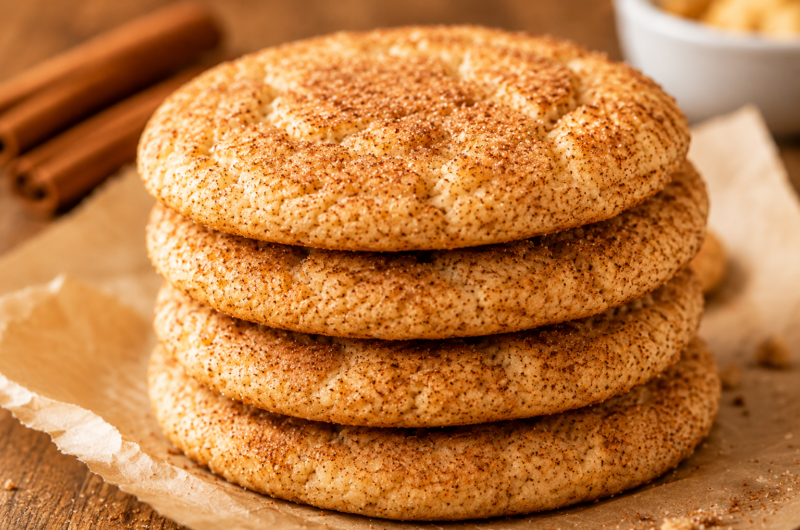
Soft and Chewy Snickerdoodle Cookies Recipe You Need to Try
Difficulty: Easy24
Cookies15
minutes10
minutes25
minutesThese soft and chewy snickerdoodle cookies are coated in a sweet cinnamon-sugar mixture and baked until perfectly tender with lightly crisp edges.
Ingredients
- For the Cookie Dough
2¾ cups all-purpose flour
1 teaspoon baking soda
2 teaspoons cream of tartar
½ teaspoon salt
1 cup unsalted butter, softened
1½ cups granulated sugar
2 large eggs
1 teaspoon vanilla extract
- For the Cinnamon-Sugar Coating
¼ cup granulated sugar
1½ tablespoons ground cinnamon
Directions
- Preheat the oven to 375°F (190°C) and line baking sheets with parchment paper.
- Whisk together the flour, baking soda, cream of tartar, and salt in a bowl.
- In a separate large bowl, beat the butter and sugar until light and fluffy.
- Mix in the eggs and vanilla extract until smooth.
- Gradually add the dry ingredients to the wet ingredients and mix until a soft dough forms.
- In a small bowl, combine the sugar and cinnamon for the coating.
- Roll the dough into 1½-tablespoon-sized balls and coat each one in the cinnamon-sugar mixture.
- Place the dough balls on the prepared baking sheets about 2 inches apart.
- Bake for 8–10 minutes, or until the edges are set and the tops are crackled.
- Cool on the baking sheet for 5 minutes before transferring to a wire rack to cool completely.
Notes
- Do not overbake for the softest texture.
- Cream of tartar gives snickerdoodles their classic tangy flavor and chewy texture.
- Store cooled cookies in an airtight container for up to 5 days.
- Cookie dough can be frozen for up to 3 months.


Hi, I’m Sorenna Blythe, the baker and writer behind Mix Whisk Bake. I share simple, reliable recipes and honest kitchen moments to help home bakers bake with confidence and joy. When I’m not testing new treats, you’ll find me sipping coffee and dreaming up my next bake.