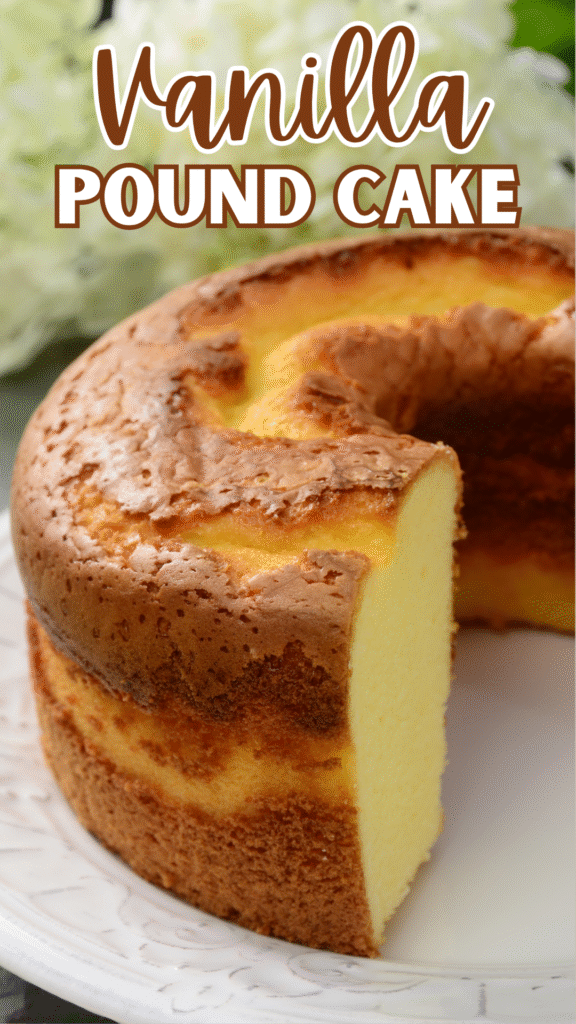
There’s something comforting about a classic vanilla pound cake. It’s simple, familiar, and always satisfying. You get a soft, buttery slice with a rich vanilla flavor in every bite.
This cake has been loved for generations because it works. No complicated steps. No hard-to-find ingredients. Just a dependable recipe that delivers every time.
In this version, we keep things easy while making sure the texture stays moist and tender.
You’ll notice how the flavor feels full without being heavy. If you’re new to baking, don’t worry, this is a great place to start.
And if you’ve baked before, this is one recipe you’ll keep coming back to.
What Is a Pound Cake?
A pound cake is one of the oldest and simplest cakes you can make, and it started with an easy-to-remember rule: one pound each of butter, sugar, eggs, and flour.
That’s where the name comes from. This 1:1:1:1 ratio created a dense, rich cake that was sturdy and filling, perfect for sharing and storing.
Over time, bakers began to adjust the recipe to make it lighter and more balanced.
You’ll notice modern versions often use less butter and sugar, add a bit of milk or cream for moisture, and include a small amount of baking powder to help the cake rise.
These small changes give you a softer crumb while keeping that classic buttery taste. Vanilla fits perfectly here because it gently enhances all the other flavors without overpowering them.
It adds warmth and depth, making each bite feel complete. It’s really just about creating a cake that feels rich but still soft and easy to enjoy.
Why You’ll Love This Recipe
Soft, Dense Yet Tender Texture
This cake gives you the best of both worlds. It’s firm enough to slice cleanly, but still soft when you take a bite.
You’ll notice a fine, tight crumb. That just means the inside looks smooth and even, not full of big air pockets. That texture comes from properly creaming the butter and sugar, so don’t rush that step.
If you’ve ever had a dry or heavy pound cake, this method helps you avoid that and keeps every slice tender.
Rich Buttery Flavor with Warm Vanilla Notes
The flavor is simple, but it’s anything but plain. Butter gives the cake its rich base, while vanilla adds a warm, slightly sweet aroma that ties everything together.
You don’t need extra flavors here. When you use good vanilla, even a small amount makes a big difference.
As it bakes, you’ll notice that classic bakery smell filling your kitchen, and that’s how you know you’re on the right track.
Easy, No-Fuss Ingredients
You won’t need anything complicated for this recipe. Most of the ingredients are likely already in your kitchen, like flour, sugar, eggs, butter, and milk. That’s what makes this cake so reliable.
No special tools or hard-to-find items. Just simple steps and ingredients that work well together. If you’re new to baking, this is a great recipe to build your confidence.
Perfect for Any Occasion
This is the kind of cake that fits anywhere. Serve it with tea in the afternoon, dress it up with fruit and cream for dessert, or bring it to a celebration. You can keep it plain or add your own twist later.
Either way, it holds its shape, slices beautifully, and tastes just as good the next day. It’s a recipe you’ll find yourself coming back to again and again.
Ingredients You’ll Need
Dry Ingredients
- 2 cups (250g) all-purpose flour – gives the cake structure
- 1 teaspoon baking powder – helps the cake rise slightly for a softer texture
- ½ teaspoon salt – balances the sweetness and enhances flavor
Wet Ingredients
- 1 cup (225g) unsalted butter, softened – adds richness and moisture
- 1 ½ cups (300g) granulated sugar – sweetens and helps create a tender crumb
- 4 large eggs, room temperature – provide structure and stability
- ½ cup (120ml) milk or cream, room temperature – keeps the cake soft and moist
- 2 teaspoons vanilla extract – adds warm, classic flavor
Tip: Try to use room temperature ingredients. This helps everything mix smoothly and gives you a more even, tender cake.
Equipment Needed
- Loaf pan or bundt pan – Use a standard loaf pan for a classic shape, or a bundt pan if you want a more decorative finish. Just make sure to grease it well so the cake releases easily.
- Mixing bowls – You’ll need at least one large bowl for the batter and a smaller one for dry ingredients. Keeping them separate helps everything mix evenly.
- Hand or stand mixer – This makes creaming the butter and sugar much easier. If you don’t have one, you can still mix by hand—it just takes a bit more effort.
- Measuring cups & spoons – Accurate measuring is key here. Even small changes can affect the texture, so try to measure carefully.
- Cooling rack – Helps the cake cool evenly and prevents the bottom from getting soggy. If you skip this, the cake may trap steam and lose its texture.
How to Make Vanilla Pound Cake (Step-by-Step)
1. Preheat Oven and Prepare Pan
Start by preheating your oven to 170°C (340°F). This gives your cake a steady, even heat from the beginning.
While the oven warms up, grease your loaf or bundt pan well with butter or oil, then lightly dust it with flour. This step helps the cake release cleanly later, so don’t skip it.
2. Cream Butter and Sugar Until Light and Fluffy
In a large bowl, beat the softened butter and sugar together until the mixture looks pale and fluffy. This usually takes about 3–5 minutes with a mixer.
You’ll notice the texture becomes lighter and slightly airy. This step helps create a soft crumb, so take your time here.
3. Add Eggs One at a Time
Add the eggs one at a time, mixing well after each addition. This helps the batter stay smooth and prevents it from curdling.
If it looks slightly split at any point, don’t worry, because it will come together once the flour is added.
4. Mix in Vanilla Extract
Stir in the vanilla extract. It blends quickly, but it makes a big difference in flavor. You’ll start to smell that warm, sweet aroma right away.
5. Combine Dry Ingredients Separately
In another bowl, whisk together the flour, baking powder, and salt. Mixing them separately ensures everything is evenly distributed, so your cake bakes evenly from edge to center.
6. Alternate Adding Dry Ingredients and Milk
Add the dry ingredients to the batter in parts, alternating with the milk. Start and end with the dry ingredients. Mix gently after each addition.
This keeps the batter smooth without overworking it, which helps the cake stay tender.
7. Pour Batter Into Pan
Pour the batter into your prepared pan and smooth the top with a spatula. Give the pan a light tap on the counter to release any large air bubbles.
8. Bake Until Golden and Set
Place the pan in the oven and bake for about 50–60 minutes. You’ll notice the top turns golden, and a toothpick inserted in the center comes out clean or with a few crumbs. That’s your sign, it’s ready.
9. Cool Before Slicing
Let the cake cool in the pan for about 10–15 minutes, then gently remove it and place it on a cooling rack.
Allow it to cool completely before slicing. This helps the texture set properly and makes cutting much easier.
Tips for the Perfect Pound Cake
Use Room Temperature Ingredients
Start with ingredients that are at room temperature, especially the butter, eggs, and milk. This helps everything mix together smoothly and evenly.
Cold ingredients can cause the batter to look lumpy or uneven, which affects the final texture.
If you forget to take them out early, you can place eggs in warm water for a few minutes and slightly soften the butter, but just don’t melt it.
Don’t Overmix the Batter
Once you add the flour, mix gently and only until everything is combined. Overmixing can make the cake dense and tough instead of soft.
You’ll notice the batter comes together quickly, so there’s no need to keep mixing after that point. A few small streaks of flour are okay; they’ll disappear as you finish folding.
Properly Cream Butter and Sugar
Take your time when creaming the butter and sugar. This step adds tiny air pockets that help the cake stay light while still being rich.
You’re looking for a pale, fluffy mixture, not just combined ingredients. If it still looks heavy or grainy, keep mixing a little longer, and you’ll see the difference.
Test Doneness with a Toothpick
To check if your cake is ready, insert a toothpick into the center. If it comes out clean or with a few soft crumbs, the cake is done.
If you see wet batter, give it a few more minutes and test again. Try not to open the oven too often, as this can affect how the cake rises.
Let Cake Cool Completely Before Cutting
It’s tempting to slice into the cake right away, but letting it cool fully makes a big difference. The texture sets as it cools, which helps you get clean, even slices.
If you cut too soon, the cake may crumble or feel slightly underdone in the center. Give it time, and you’ll notice it’s worth the wait.
Variations & Flavor Ideas
Lemon Vanilla Pound Cake
If you enjoy a fresh, light twist, lemon works beautifully with vanilla. Add the zest of one lemon to your batter and a tablespoon or two of lemon juice.
You’ll notice it brightens the flavor without overpowering the cake. For a stronger finish, you can drizzle a simple lemon glaze on top after baking.
Almond Vanilla Pound Cake
For a slightly richer, nutty flavor, swap a small amount of the vanilla extract with almond extract—about ½ teaspoon is enough. Almond extract is strong, so a little goes a long way.
You’ll notice the flavor becomes deeper and more bakery-style. This version pairs especially well with sliced almonds on top for a bit of texture.
Marble Pound Cake (Vanilla + Chocolate)
This is a great option if you want something a little more fun without extra effort. Once your batter is ready, set aside a small portion and mix in cocoa powder.
Then, alternate spoonfuls of vanilla and chocolate batter in the pan and gently swirl them together with a knife. You’ll notice a beautiful pattern once it’s baked.
Don’t over-swirl, or the colors will blend too much.
Vanilla Pound Cake with Glaze or Icing
A simple glaze can take your cake to the next level. Mix powdered sugar with a little milk or lemon juice until smooth, then drizzle it over the cooled cake.
You can keep it light or let it set into a thin, sweet layer. If you prefer something richer, a thicker icing works just as well.
The cake already has great flavor, so the topping should complement, not overpower it.
How to Serve Vanilla Pound Cake
- Dust with powdered sugar – A light dusting adds a simple, elegant finish without overpowering the flavor.
- Serve with fresh berries – Strawberries, blueberries, or raspberries add freshness and a slight tart contrast.
- Add whipped cream or ice cream – This makes each slice feel more indulgent while keeping it balanced.
- Drizzle with vanilla glaze – A thin glaze adds extra sweetness and a soft, glossy finish.
Storage & Freezing Tips
Once your cake has cooled completely, you can store it at room temperature by wrapping it tightly in plastic wrap or placing it in an airtight container.
This keeps it soft and prevents it from drying out, and it will stay fresh for about 3–4 days.
If your kitchen is warm or humid, you can refrigerate the cake instead, but make sure it’s well wrapped so it doesn’t absorb any fridge odors or lose moisture.
Before serving, let it sit at room temperature for a bit so the texture softens again, and you’ll notice the flavor comes through better when it’s not cold.
For longer storage, freezing works really well: slice the cake or leave it whole, wrap it tightly in plastic wrap and then foil, and place it in a freezer-safe bag or container.
This extra layer helps prevent freezer burn.
When you’re ready to enjoy it, let the cake thaw at room temperature while still wrapped to keep the moisture locked in, and don’t worry if it feels slightly firm at first because it will soften as it sits.
Common Mistakes to Avoid
- Cake too dense or dry – This often happens from overmixing or adding too much flour. Mix gently and measure carefully for a softer texture.
- Overbaking – Leaving the cake in too long can dry it out. Start checking a few minutes early and remove it once a toothpick comes out clean.
- Using cold ingredients – Cold butter, eggs, or milk don’t blend well and can affect the texture. Let them come to room temperature before starting.
- Not greasing the pan properly – Skipping this step can cause the cake to stick and break. Grease well and lightly flour the pan for easy release.
Final Thoughts
This vanilla pound cake works because it keeps things simple while focusing on the details that matter, like proper mixing, balanced ingredients, and a reliable method.
You’ll notice the result is a soft, buttery cake that turns out well every time. Feel free to try the variations and make it your own!
FAQs
Yes. Traditional pound cake doesn’t use it. Just cream the butter and sugar well to help the cake rise.
This usually comes from overbaking or adding too much flour. Measure carefully and check the cake a few minutes early.
You can, but the flavor will be different. Butter gives the cake its rich taste, while oil makes it lighter but less flavorful.
A loaf pan or bundt pan works best. Both give good structure and even baking—just grease them well.
Yes. Pound cake actually tastes better the next day as the flavor settles. Just store it properly to keep it moist.
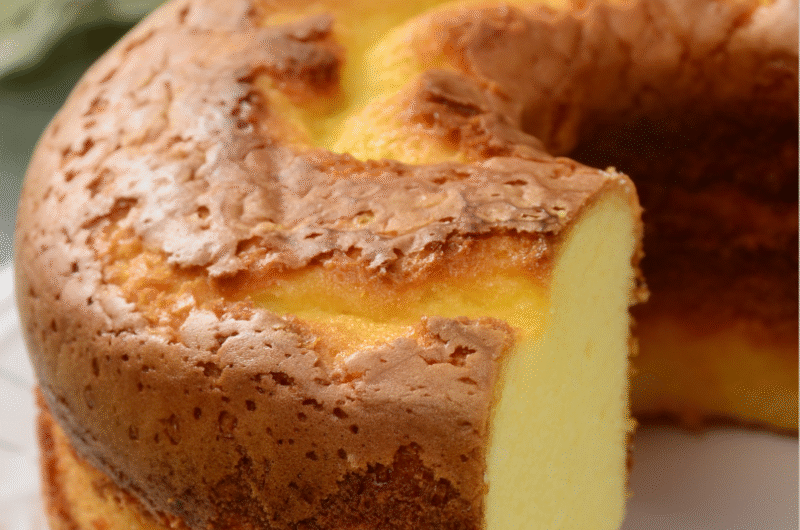
Classic Vanilla Pound Cake Recipe You’ll Bake Again and Again
Difficulty: Easy10
Slices15
minutes1
hour1
hour15
minutesA classic vanilla pound cake that’s soft, buttery, and rich, made with simple ingredients and easy steps for a perfect result every time.
Ingredients
2 cups (250g) all-purpose flour
1 teaspoon baking powder
½ teaspoon salt
1 cup (225g) unsalted butter, softened
1 ½ cups (300g) granulated sugar
4 large eggs (room temperature)
½ cup (120ml) milk or cream (room temperature)
2 teaspoons vanilla extract
Directions
- Preheat oven to 170°C (340°F) and grease a loaf or bundt pan.
- Cream butter and sugar until light and fluffy.
- Add eggs one at a time, mixing well after each.
- Stir in vanilla extract.
- In a separate bowl, mix flour, baking powder, and salt.
- Add dry ingredients to the batter alternately with milk, mixing gently.
- Pour batter into the prepared pan and smooth the top.
- Bake for 50–60 minutes, or until a toothpick comes out clean.
- Cool before removing from the pan and slicing.
Notes
- Use room temperature ingredients for a smoother batter.
- Don’t overmix once the flour is added to keep the cake tender.
- Let the cake cool completely for clean slices and the best texture.

Hi, I’m Sorenna Blythe, the baker and writer behind Mix Whisk Bake. I share simple, reliable recipes and honest kitchen moments to help home bakers bake with confidence and joy. When I’m not testing new treats, you’ll find me sipping coffee and dreaming up my next bake.