This page may contain affiliate links. As an Amazon Associate, I earn from qualifying purchases. If you choose to make a purchase after clicking a link, I may receive a commission at no additional cost to you. My goal is to provide helpful and valuable content, and any commissions help me maintain this site and continue creating high-quality content for my readers. Thank you for your support!
If you’ve ever fed your sourdough starter and wondered what to do with the leftover discard, you’re not alone.
It’s the portion you remove before feeding. Still full of flavor, just not active enough to bake bread on its own.
Don’t throw it away. That discard can turn into some of the easiest, tastiest recipes in your kitchen.
It adds a subtle tang, reduces waste, and helps you get more value from every batch of flour you use.
In this post, you’ll find simple, no-fuss recipes you can make anytime.
Nothing complicated, just reliable ideas that work. Let’s put that discard to good use and make something you’ll actually want to eat.
What Is Sourdough Discard?
Sourdough discard is simply the portion of your starter that you remove before feeding it, and while it may not be strong enough to rise bread on its own, it’s still full of flavor and completely usable.
An active starter is bubbly, airy, and strong. It’s what you use when you want your dough to rise. A discard is flatter, less lively, and often a bit more tangy because it hasn’t been recently fed.
You create discard during regular feedings to keep your starter balanced and manageable; without removing some, it would quickly grow too large and become difficult to maintain.
Don’t worry, though, this “leftover” is far from waste. It’s safe to use as long as it smells fresh and slightly sour (not rotten or moldy), and you’ll notice it adds a lovely depth of flavor to baked goods.
For storage, you can keep the discard in a sealed container in the fridge for about 1 to 2 weeks, and many bakers simply add to the same jar over time until they’re ready to use it.
If you don’t plan to bake soon, you can even freeze it in portions, which makes it easy to grab exactly what you need later.
Tips for Baking with Sourdough Discard
No Need for It to Be Active
The good news is you don’t need a bubbly, recently fed starter to make great recipes with discard.
Even if your discard has been sitting in the fridge, it will still work well in most recipes because you’re not relying on it to make things rise.
Instead, recipes usually use baking powder, baking soda, or yeast for lift. So don’t worry if your discard looks flat or a little separated because that’s completely normal.
Just give it a quick stir, and it’s ready to use.
Flavor Profile (Tangy vs Mild)
Sourdough discard adds a gentle tang that can make your baked goods taste more interesting.
You’ll notice that fresher discard has a milder flavor, while older discard tastes more sour. Neither is wrong; it just depends on what you like.
For sweeter recipes like muffins or pancakes, a milder discard blends in nicely.
For savory recipes like crackers or flatbreads, a stronger, tangier discard can really shine. If you’re ever unsure, start with fresher discard and adjust as you go.
Adjusting Hydration in Recipes
Discard is made up of both flour and water, so it changes the texture of your batter or dough. This is where a small adjustment helps.
If your mixture feels too thick, you can add a splash of milk or water. If it’s too runny, a bit of flour will balance it out.
You don’t need to overthink it, just aim for the consistency the recipe describes. With a little practice, you’ll get a feel for it, and it becomes second nature.
Best Types of Recipes for Discard
Sourdough discard works best in quick, flexible recipes that don’t rely on it for rising. Think pancakes, waffles, muffins, crackers, brownies, and flatbreads.
These recipes are forgiving and easy to adjust, which makes them perfect if you’re just getting started.
You can also use discard in pizza dough or biscuits for added flavor, even if you’re using other leavening agents.
If you’re ever unsure where to start, go for something simple like pancakes, and you’ll see how easy and rewarding it can be right away.
10 Easy Sourdough Discard Recipes
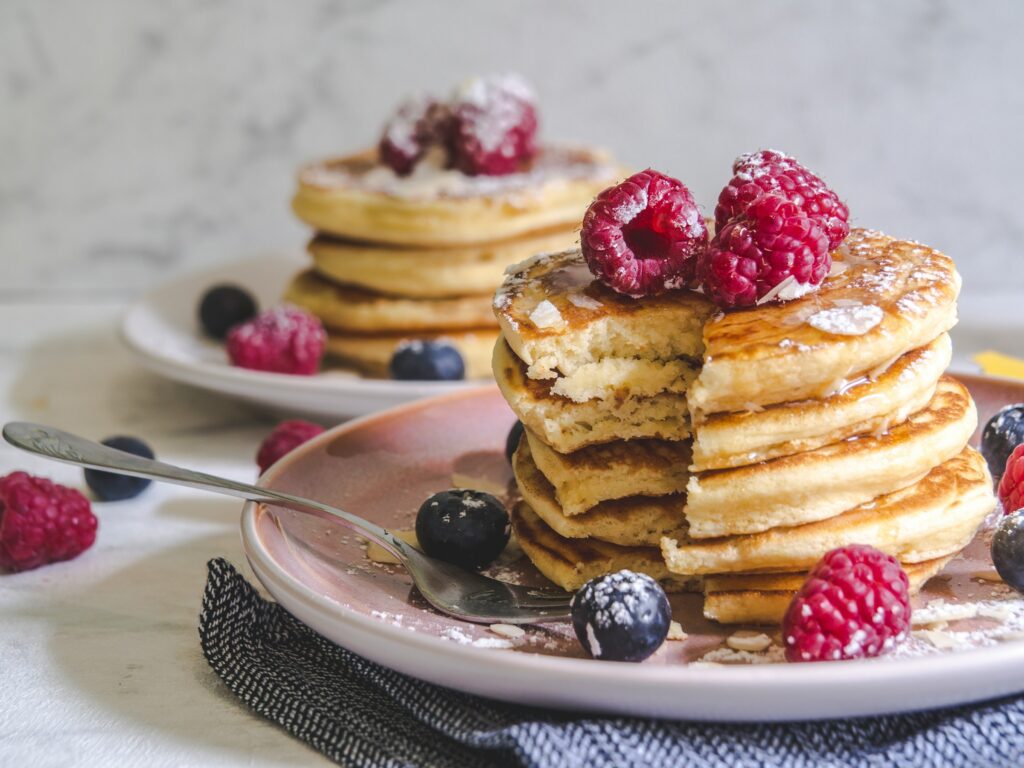
1. Sourdough Discard Pancakes
Overview
Soft, fluffy pancakes with a light tang. This is one of the easiest ways to use discard, and it works beautifully because the batter doesn’t rely on the starter to rise.
Why it works
The discard adds flavor, while baking powder does the lifting, so you get reliable results every time.
Ingredients
- 1 cup sourdough discard
- 1 cup all-purpose flour
- 1 tbsp sugar
- 1 tsp baking powder
- ½ tsp baking soda
- ¼ tsp salt
- 1 cup milk
- 1 egg
- 1 tbsp melted butter or oil
Instructions
- In a bowl, whisk together flour, sugar, baking powder, baking soda, and salt.
- In another bowl, mix discard, milk, egg, and melted butter.
- Combine wet and dry ingredients until just mixed (don’t overmix).
- Heat a pan over medium heat and lightly grease it.
- Pour batter and cook until bubbles form, then flip.
- Cook until golden and serve warm.
2. Sourdough Discard Waffles
Overview
Crispy on the outside, fluffy inside. Perfect for a quick breakfast or a make-ahead batter.
Why it works
Discard adds depth, while the waffle iron creates that crisp texture.
Ingredients
- 1 cup sourdough discard
- 1 cup flour
- 1 tbsp sugar
- 1 tsp baking powder
- ½ tsp baking soda
- ¼ tsp salt
- ¾ cup milk
- 1 egg
- 2 tbsp melted butter or oil
Instructions
- Preheat your waffle iron.
- Mix dry ingredients in one bowl.
- In another bowl, whisk discard, milk, egg, and butter.
- Combine everything until smooth.
- Pour batter into the waffle iron and cook until golden and crisp.
- Serve immediately or keep warm in the oven.
Tip: You can mix the batter the night before and store it in the fridge.
3. Sourdough Discard Crackers
Overview
Thin, crispy crackers that are perfect for snacking or serving with dips and cheese.
Why it works
Discard creates a light tang and helps form a crisp texture when rolled thin.
Ingredients
- 1 cup sourdough discard
- 1 cup flour
- 2 tbsp olive oil
- ½ tsp salt
- Optional: herbs, garlic powder, or seeds
Instructions
- Preheat oven to 180°C (350°F).
- Mix all ingredients into a soft dough.
- Roll the dough very thin on parchment paper.
- Score into squares using a knife or pizza cutter.
- Bake for 15–20 minutes until crisp and golden.
- Let cool completely—they’ll crisp up more as they cool.
4. Sourdough Discard Banana Bread
Overview
Moist, soft banana bread with a subtle tang. A great way to use both discard and overripe bananas.
Why it works
Discard adds moisture and flavor without making the bread dense.
Ingredients
- 1 cup sourdough discard
- 2 ripe bananas (mashed)
- 1½ cups flour
- ½ cup sugar
- 1 tsp baking soda
- ½ tsp salt
- 1 egg
- ⅓ cup melted butter or oil
- 1 tsp vanilla extract
Instructions
- Preheat oven to 180°C (350°F) and grease a loaf pan.
- Mix mashed bananas, discard, egg, butter, and vanilla.
- In another bowl, combine flour, sugar, baking soda, and salt.
- Gently mix wet and dry ingredients together.
- Pour into the loaf pan.
- Bake for 50–60 minutes until a toothpick comes out clean.
- Let cool before slicing.
5. Sourdough Discard Pizza Dough
Overview
A simple homemade pizza base with added flavor. You can use it right away or let it rest for a deeper taste.
Why it works
Discard boosts flavor, while yeast (optional) helps with structure and rise.
Ingredients
- 1 cup sourdough discard
- 2 cups flour
- ¾ cup warm water
- 1 tsp salt
- 1 tsp instant yeast (optional, for quicker rise)
- 1 tbsp olive oil
Instructions
- In a bowl, mix discard, water, and olive oil.
- Add flour, salt, and yeast (if using).
- Knead until smooth and soft (about 8–10 minutes).
- Cover and let rest for 1–2 hours (or overnight in the fridge for more flavor).
- Roll out into your desired pizza shape.
- Add toppings and bake at 220°C (425°F) for 12–15 minutes.
Tip: If you skip yeast, allow a longer rest time for better texture.
6. Sourdough Discard Flatbread
Overview
This is a quick, no-yeast flatbread you can make right on the stovetop. It’s soft, flexible, and perfect for wraps or dipping.
Why it works
The discard adds flavor and softness, while a simple dough keeps things easy and fast.
Ingredients
- 1 cup sourdough discard
- 1½ cups flour
- 2 tbsp olive oil
- ½ tsp salt
- ¼–⅓ cup water (as needed)
Instructions
- In a bowl, mix discard, flour, olive oil, and salt.
- Add water gradually until a soft dough forms.
- Knead briefly until smooth (about 3–5 minutes).
- Divide into small balls and roll each one thin.
- Heat a pan over medium heat.
- Cook each flatbread for 1–2 minutes per side until lightly golden.
- Keep covered with a cloth to stay soft.
Don’t worry if they puff unevenly because that’s completely normal.
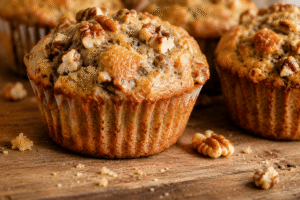
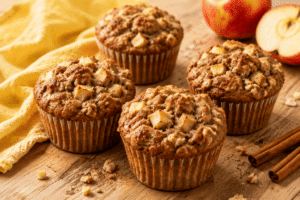
7. Sourdough Discard Muffins
Overview
Soft, fluffy muffins that are easy to customize. You can switch flavors based on what you have on hand.
Why it works
Discard adds moisture and a light tang without making the muffins dense.
Ingredients
- 1 cup sourdough discard
- 1½ cups flour
- ½ cup sugar
- 1 tsp baking powder
- ½ tsp baking soda
- ¼ tsp salt
- 1 cup milk
- 1 egg
- ⅓ cup oil or melted butter
- Optional: ½–1 cup add-ins (blueberries, chocolate chips, nuts)
Instructions
- Preheat oven to 180°C (350°F) and line a muffin tray.
- Mix flour, sugar, baking powder, baking soda, and salt.
- In another bowl, whisk discard, milk, egg, and oil.
- Combine wet and dry ingredients gently.
- Fold in your chosen add-ins.
- Divide batter into muffin cups.
- Bake for 18–22 minutes until golden.
You’ll notice they stay soft even the next day.
8. Sourdough Discard Biscuits
Overview
Flaky, buttery biscuits that come together quickly. Perfect with soups, stews, or breakfast spreads.
Why it works
Discard adds tenderness and flavor while keeping the inside soft.
Ingredients
- 1 cup sourdough discard
- 2 cups flour
- 1 tbsp baking powder
- ½ tsp salt
- ½ cup cold butter (cubed)
- ½ cup milk
Instructions
- Preheat oven to 200°C (400°F).
- In a bowl, mix flour, baking powder, and salt.
- Cut in cold butter until crumbly.
- Stir in the discard and milk until a dough forms.
- Gently pat the dough and cut into rounds.
- Place on a baking tray.
- Bake for 15–18 minutes until golden.
Handle the dough lightly to keep the biscuits flaky.
9. Sourdough Discard Brownies
Overview
Rich, fudgy brownies with a slight tang that deepens the chocolate flavor.
Why it works
Discard enhances richness without affecting the classic dense texture.
Ingredients
- 1 cup sourdough discard
- 1 cup sugar
- ½ cup melted butter
- 2 eggs
- ¾ cup cocoa powder
- ½ cup flour
- ½ tsp salt
- 1 tsp vanilla extract
Instructions
- Preheat oven to 180°C (350°F) and line a baking pan.
- Whisk sugar, melted butter, and eggs until smooth.
- Mix in discard and vanilla.
- Add cocoa powder, flour, and salt.
- Stir until just combined.
- Pour into the pan and spread evenly.
- Bake for 20–25 minutes for fudgy brownies.
Don’t overbake because they’ll set as they cool.
10. Sourdough Discard Chocolate Chip Cookies
Overview
Chewy, soft cookies with a deeper flavor. A simple twist on a classic favorite.
Why it works
Discard adds moisture and a slight tang that balances the sweetness.
Ingredients
- 1 cup sourdough discard
- 1½ cups flour
- ½ cup sugar
- ½ cup brown sugar
- ½ cup butter (softened)
- 1 egg
- 1 tsp baking soda
- ½ tsp salt
- 1 tsp vanilla
- 1 cup chocolate chips
Instructions
- Preheat oven to 180°C (350°F).
- Cream butter, sugar, and brown sugar until smooth.
- Add egg, discard, and vanilla.
- Mix in flour, baking soda, and salt.
- Fold in chocolate chips.
- Scoop dough onto a baking tray.
- Bake for 10–12 minutes until edges are golden.
Let them cool slightly, and you’ll get that perfect chewy texture.
How to Choose the Right Recipe for Your Discard
Based on Time (Quick vs Fermented Recipes)
Start by thinking about how much time you have. If you need something fast, go for quick recipes like pancakes, muffins, or cookies.
These come together in minutes and use baking powder or baking soda for lift, so there’s no waiting around.
On the other hand, if you have more time, you can choose recipes like pizza dough or flatbread and let the dough rest longer.
This resting time, often called fermentation, helps develop deeper flavor and a better texture. Don’t worry if you’re new to this. If you’re unsure, begin with a quick recipe.
You’ll build confidence first, then explore longer methods when you’re ready.
Based on Taste Preference (Sweet vs Savory)
Next, think about what you’re in the mood for. If you’re craving something sweet, recipes like banana bread, brownies, or muffins are great choices.
A milder discard works best here because it blends smoothly without overpowering the flavor. If you prefer savory options, try crackers, flatbreads, or pizza dough.
These recipes actually benefit from a slightly tangier discard, which adds depth and makes the final result more interesting.
You’ll notice how the same discard can taste completely different depending on how you use it, so feel free to experiment.
Based on Discard Quantity
Finally, consider how much discard you have on hand. If you only have a small amount, stick to recipes that use about half a cup to one cup, like pancakes or cookies.
If you’ve been saving discard for a few days and have more to use up, larger recipes like banana bread or pizza dough are a better fit. Don’t worry if the amount isn’t exact.
Most of these recipes are flexible, and you can slightly adjust flour or liquid if needed. Once you get used to it, choosing the right recipe becomes second nature, and nothing goes to waste.
Common Mistakes to Avoid
Using Overly Old Discard
It’s easy to forget about discard sitting in the fridge, but very old discard can affect both taste and safety. If it smells sharp, unpleasant, or shows any signs of mold, it’s best to throw it out.
A slightly sour smell is normal (that’s what gives sourdough its flavor), but anything that smells off or looks discolored isn’t worth risking.
You’ll get much better results using discard that’s within about 1 to 2 weeks old. When in doubt, trust your senses. Fresh discard always gives you a cleaner, more balanced flavor.
Not Adjusting Liquid/Flour Ratios
Sourdough discard already contains both flour and water, so it naturally changes the texture of your batter or dough.
If you add it without adjusting, your mixture might end up too thick or too runny. You don’t need to measure perfectly every time, just pay attention to how it looks and feels.
If the batter seems stiff, add a small splash of milk or water. If it’s too loose, sprinkle in a bit of flour.
You’ll notice that small adjustments make a big difference, and it quickly becomes intuitive.
Expecting Rise Without Leavening
Discard on its own won’t reliably make your baked goods rise. Since it hasn’t been freshly fed, the natural yeast isn’t active enough to do the job.
That’s why most discard recipes include baking powder, baking soda, or sometimes yeast. If you skip these, your results may turn out flat or dense.
Don’t worry, this is an easy fix. Just follow the recipe’s leavening ingredients, and you’ll get the light texture you’re expecting.
Overmixing Batter
It’s tempting to keep mixing until everything looks perfectly smooth, but this can actually make your baked goods tough.
Overmixing develops the gluten in the flour too much, which leads to dense pancakes, muffins, or cakes. Instead, mix just until the ingredients come together.
A few small lumps are completely fine. You’ll notice the final texture is much softer and lighter when you keep the mixing gentle.
How to Store and Reuse Sourdough Discard
Refrigeration Tips
The easiest way to store sourdough discard is in the fridge. Keep it in a clean, sealed container or jar, and place it somewhere you’ll remember to use it.
You can add fresh discard to the same jar over time, which makes it convenient when you’re ready to bake.
It will naturally separate and may develop a layer of liquid on top, which is normal, so just stir it back in before using.
For best results, try to use your discard within 1 to 2 weeks.
You’ll notice the flavor gets stronger over time, so fresher discard is better for mild recipes, while older discard works well in savory dishes.
Freezing Discard
If you don’t plan to bake anytime soon, freezing is a great option.
Portion your discard into small amounts (about ½ cup or 1 cup works well) so you can thaw only what you need. Use airtight containers or freezer bags, and label them with the date if possible.
When you’re ready to use it, let it thaw in the fridge or at room temperature, then give it a good stir.
Don’t worry if the texture looks slightly different after freezing; it will still work well in most discard recipes.
How Often to Feed Your Starter to Reduce Waste
One of the best ways to manage discard is to adjust how often you feed your starter. If you bake often, regular feeding makes sense.
But if you bake less frequently, you can keep your starter in the fridge and feed it once a week instead of daily. This slows everything down and reduces how much discard you create.
You can also scale down your starter by keeping smaller amounts, which means less to remove during feedings.
Final Thoughts
Sourdough discard is too good to waste, and now you’ve got simple ways to use it. Try a few recipes, see what you enjoy, and don’t be afraid to experiment because you’ll quickly find your favorites.
Keep this list handy for the next time you feed your starter. With a little creativity, you’ll turn leftovers into something you actually look forward to baking.
FAQs
Yes. You can use it cold, but letting it sit at room temperature for a few minutes can make mixing easier.
About 1–2 weeks in the fridge, as long as it smells fresh and has no mold.
Yes, partially. Since it contains both flour and water, you’ll need to adjust your recipe slightly.
It can. Fresh discard is mild, while older discard has a stronger tang.
Yes. Freeze it in portions and thaw when needed.

Hi, I’m Sorenna Blythe, the baker and writer behind Mix Whisk Bake. I share simple, reliable recipes and honest kitchen moments to help home bakers bake with confidence and joy. When I’m not testing new treats, you’ll find me sipping coffee and dreaming up my next bake.