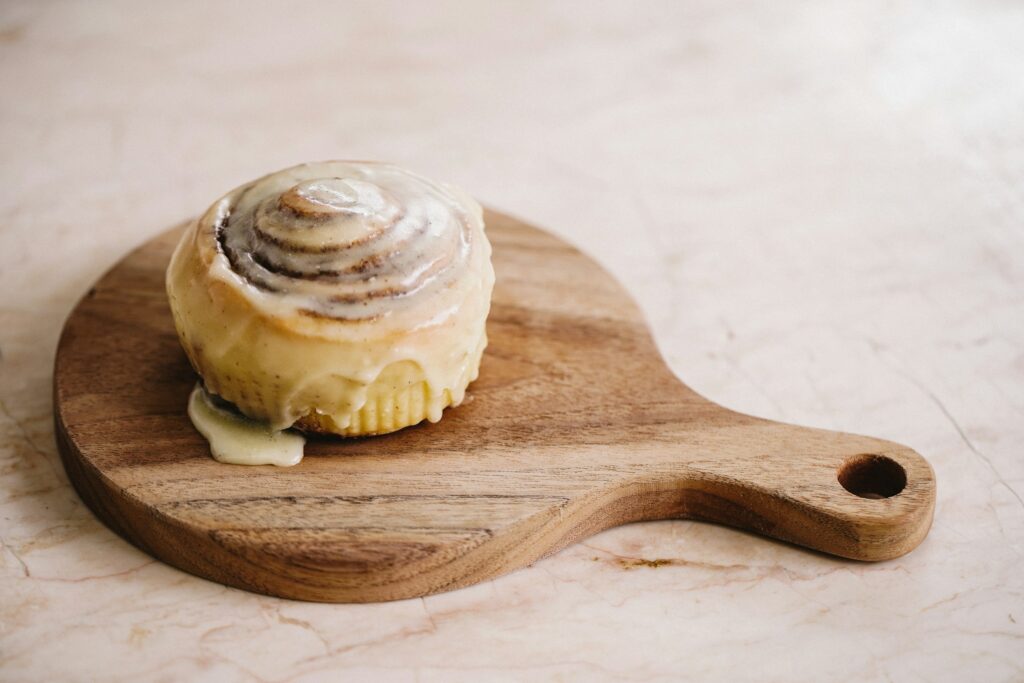
There’s nothing quite like pulling a tray of warm cinnamon rolls from the oven, but these sourdough cinnamon rolls take it a step further.
They’re soft, fluffy, and filled with a rich cinnamon-sugar swirl, with just a hint of that signature sourdough tang.
Using a sourdough starter instead of regular yeast gives these rolls a deeper flavor and makes them a little easier on your stomach.
Don’t worry if you’re new to sourdough because this recipe keeps things simple and guides you every step of the way.
You’ll notice the difference right away. The texture is light and tender, the filling is perfectly gooey, and the flavor has more depth than your usual cinnamon rolls.
Once you try them, it’s hard to go back.
What Are Sourdough Cinnamon Rolls?
Sourdough cinnamon rolls are made using a sourdough starter instead of commercial yeast. This means the dough rises naturally with wild yeast and good bacteria.
It may sound tricky, but don’t worry because once your starter is active and bubbly, it does most of the work.
This slower rise changes the flavor in the best way. You get a gentle tang that balances the sweet cinnamon-sugar filling.
The result is a richer, more layered taste instead of just sweetness. You’ll also notice the cinnamon feels warmer and more pronounced.
The texture is just as important. Because the dough has more time to develop, the rolls turn out soft, airy, and tender. They have that light pull-apart feel you expect from a bakery.
If your dough takes longer to rise, that’s completely normal. That extra time is what gives you those fluffy layers and beautiful results.
Why You’ll Love This Recipe
Naturally Leavened and Easier to Digest
These cinnamon rolls rely on a sourdough starter instead of instant yeast. This slow, natural rise helps break down parts of the flour, which can make the rolls feel lighter on your stomach.
If regular baked goods sometimes feel heavy, you may notice a difference here. Once your starter is active, the process becomes simple and reliable.
Deep, Complex Flavor
You’ll taste more than just sweetness in these rolls. The long fermentation adds a mild tang that balances the rich cinnamon filling.
It brings out deeper notes in the dough and makes every bite more interesting. It’s the kind of flavor that feels homemade in the best way, not flat or one-dimensional.
Soft, Fluffy, Bakery-Style Results
The texture is where these really shine. The dough has time to develop, which gives you soft layers and a light, airy crumb.
When you pull one apart, it should feel tender and slightly stretchy. If your goal is that classic bakery-style cinnamon roll, you’re in the right place.
Make-Ahead Friendly (Overnight Option)
This recipe fits easily into your schedule. You can prepare the rolls the night before, let them rest in the fridge, and bake them fresh in the morning.
This not only saves time but also improves the flavor. If you’re planning a slow morning or hosting guests, this option makes things much easier.
Ingredients Overview
Dough
- 1 cup (240g) active sourdough starter (fed and bubbly)
- 3 ½ cups (420g) all-purpose flour or bread flour
- ¾ cup (180ml) warm milk
- ¼ cup (60g) unsalted butter, softened
- ¼ cup (50g) granulated sugar
- 2 large eggs
- 1 teaspoon salt
Filling
- ¾ cup (150g) brown sugar
- 2 tablespoons ground cinnamon
- ¼ cup (60g) unsalted butter, softened
Cream Cheese Frosting
- 115g cream cheese, softened
- 1 cup (120g) powdered sugar
- 2 tablespoons (30g) unsalted butter, softened
- 1 teaspoon vanilla extract
Tip: Let your butter, eggs, and cream cheese come to room temperature before starting. This helps everything mix smoothly and gives you a softer dough.
Equipment Needed
- Mixing bowls – You’ll need at least one large bowl for the dough and a smaller one for the filling. A roomy bowl makes mixing easier and less messy.
- Stand mixer (optional) – Helpful for kneading, especially if you want to save time. If you don’t have one, no problem—you can knead the dough by hand just fine.
- Rolling pin – Used to roll the dough into an even rectangle. If you don’t have one, a clean bottle can work in a pinch.
- Baking dish – A 9×13-inch (23×33 cm) dish works best for evenly sized rolls that bake nicely together.
- Bench scraper or knife – Makes cutting the rolls clean and easy. A sharp knife works well, but a bench scraper helps keep the shape neat.
Tip: If your dough sticks while rolling, lightly flour your surface and rolling pin to keep things smooth and easy.
Step-by-Step Instructions
1. Feed and Prepare Sourdough Starter
Start by feeding your sourdough starter a few hours before baking. You want it to be active, bubbly, and slightly risen. This is what helps your dough rise properly.
If it looks flat or sluggish, give it more time. A ready starter should smell fresh and slightly tangy.
2. Make the Dough
In a large bowl, combine your starter, warm milk, sugar, eggs, and softened butter. Mix until mostly smooth, then add the flour and salt. Bring everything together into a soft dough.
Now knead until the dough becomes smooth and elastic. This can take about 8–10 minutes by hand. You’ll notice it becomes less sticky and easier to handle as you go.
3. Bulk Fermentation
Place the dough in a lightly greased bowl and cover it. Let it rise at room temperature for 4–8 hours, or overnight if that suits your schedule better.
The dough should expand and feel slightly puffy. Don’t worry if it’s not doubled exactly because sourdough can be slower and more subtle.
4. Roll Out and Add Filling
Lightly flour your surface and roll the dough into a large rectangle. Aim for an even thickness so the rolls bake evenly.
Spread softened butter across the surface, then sprinkle the cinnamon and brown sugar mixture evenly. Take your time here so every bite has that sweet, spiced filling.
5. Shape the Rolls
Starting from one long side, roll the dough up tightly into a log. Keep the roll snug but not overly tight. Once rolled, slice into even pieces using a knife or bench scraper.
This helps the rolls bake evenly and look neat.
6. Second Rise (Proofing)
Place the rolls into your baking dish, leaving a little space between each one. Cover and let them rise again until they look puffy and slightly expanded.
This step is important for soft, fluffy rolls. If your kitchen is cool, it may take a bit longer.
7. Bake
Bake in a preheated oven at 180°C (350°F) for about 20–25 minutes. The tops should turn golden brown, and the centers should be fully cooked.
If they brown too quickly, you can loosely cover them with foil near the end.
8. Make Frosting & Serve
While the rolls are still warm, mix your cream cheese, butter, powdered sugar, and vanilla until smooth. Spread the frosting over the warm rolls so it melts slightly into the layers.
Serve fresh and enjoy, you’ll notice how soft and rich they are right away.
Overnight (Make-Ahead) Method
Prepare the dough the night before
Make the dough in the evening, following the same steps for mixing and kneading.
Let it begin its first rise at room temperature for a short time, about 1–2 hours, just until it starts to puff slightly. This gives the fermentation a good start without overdoing it overnight.
Refrigerate After Shaping
Roll out the dough, add the filling, and shape your rolls as usual. Place them in your baking dish, cover tightly, and transfer to the fridge.
The cold slows down the rise, allowing the rolls to develop more flavor while you rest. Don’t worry if they don’t rise much in the fridge, as that’s expected.
Bake Fresh in the Morning
In the morning, take the rolls out of the fridge and let them sit at room temperature until they look puffy. This can take 1–2 hours, depending on your kitchen.
Once they’ve softened and slightly expanded, bake as usual. You’ll get fresh, warm cinnamon rolls with less morning effort and even better flavor.
Tips for Perfect Sourdough Cinnamon Rolls
Use Active Starter for Best Rise
Make sure your sourdough starter is active before you begin. It should look bubbly, slightly risen, and smell fresh with a mild tang. This is what gives your dough a good lift.
If your starter isn’t ready, your rolls may turn out dense. Just give it more time and feed it again if needed.
Don’t Rush Fermentation
Sourdough takes longer than regular yeast, and that’s a good thing. The extra time helps build flavor and improves texture.
Let the dough rise until it looks slightly puffy, even if it takes longer than expected. You’ll notice better results when you stay patient. Rushing this step often leads to heavy rolls.
Roll Dough Evenly
When rolling out your dough, aim for an even thickness across the whole surface. This helps the rolls bake evenly and keeps the layers consistent.
If one side is too thick, it may stay undercooked while the thinner parts bake faster. Take your time here because it makes a big difference in the final texture.
Avoid Overbaking
Keep an eye on your rolls as they bake. You’re looking for a light golden-brown top, not a deep dark color. Overbaking can dry them out and take away that soft, fluffy texture.
If unsure, check a center roll; it should be fully cooked but still soft. You can always bake a little longer, but you can’t undo overbaking.
Variations & Substitutions
Dairy-Free Option
You can easily make these cinnamon rolls dairy-free with a few simple swaps. Use plant-based milk like almond, soy, or oat milk in place of regular milk.
Replace butter with a dairy-free alternative or a neutral oil like coconut oil. For the frosting, use dairy-free cream cheese or skip it and go for a simple glaze.
You’ll still get soft, flavorful rolls with great texture.
Whole Wheat Version
If you prefer a more wholesome option, you can replace part of the flour with whole wheat flour. Start by swapping out 25–50% of the flour to keep the rolls soft.
Whole wheat flour absorbs more liquid, so you may need to add a splash of extra milk. The rolls will have a slightly nuttier flavor and a bit more structure.
Don’t worry if they’re a little less fluffy because they’ll still taste great.
Add-Ins (Nuts, Raisins, Chocolate Chips)
You can customize the filling to suit your taste. Chopped nuts add a nice crunch, while raisins bring a natural sweetness. Chocolate chips make the rolls feel more indulgent and dessert-like.
Sprinkle your add-ins evenly over the cinnamon sugar layer before rolling the dough. Keep the amounts moderate so the rolls still hold their shape and bake evenly.
Maple Glaze Instead of Cream Cheese Frosting
If you want something lighter, try a simple maple glaze. Mix powdered sugar with a few tablespoons of maple syrup and a splash of milk until smooth.
Drizzle it over warm rolls for a sweet finish without the richness of cream cheese. It soaks in slightly and adds a gentle sweetness that pairs well with the cinnamon filling.
Storage & Reheating Tips
Once your cinnamon rolls have cooled, you can store them at room temperature for up to 2 days if your kitchen isn’t too warm, but just keep them covered so they don’t dry out.
If you need to store them longer, place them in an airtight container in the fridge for up to 5 days, but keep in mind they may firm up slightly when chilled.
When you’re ready to enjoy them again, reheating makes all the difference.
Warm a roll in the microwave for about 15–25 seconds, or place it in a low oven (around 150°C/300°F) for a few minutes.
To keep them soft, you can add a light cover or a small dish of water in the oven to create a bit of moisture.
If you want to freeze them, let the rolls cool completely, then store them in a freezer-safe container or bag for up to 2 months. You can freeze them with or without frosting.
When ready to use, thaw at room temperature, then reheat gently until warm and soft again. You’ll notice they come back to life nicely with just a little heat.
Troubleshooting
Rolls Didn’t Rise → Inactive Starter
If your rolls didn’t rise well, the most common reason is an inactive starter. Your starter should be bubbly, slightly risen, and full of life before you use it.
If it looks flat or sluggish, it won’t give your dough the lift it needs. This is easy to fix. Feed your starter and give it time to become active again before baking.
You’ll notice a big difference once it’s ready.
Dough Too Sticky → Adjust Flour
A slightly sticky dough is normal, especially with sourdough, but it shouldn’t feel unmanageable.
If your dough is sticking too much to your hands or surface, add a small amount of flour, a little at a time. Avoid adding too much at once, as this can make the rolls dense.
Lightly flouring your hands and work surface can also help. You’re aiming for a soft, slightly tacky dough that’s easy to handle.
Dense Texture → Under-Proofed Dough
If your rolls turn out dense instead of soft and fluffy, they likely didn’t rise long enough. Sourdough needs time, and rushing this step can affect the final texture.
The dough should look puffy and feel light before baking. If it still feels tight or heavy, give it more time to rest.
Don’t worry if it takes longer than expected because this slow rise is what creates that soft, airy result.
Final Thoughts
Sourdough cinnamon rolls are worth the extra time. You get better flavor, a softer texture, and a more satisfying bake from start to finish.
Once you try them, you’ll notice how much richer and more balanced they taste.
Don’t worry if it’s your first time, just take it step by step and enjoy the process. You’ve got this!
FAQs
Yes, but the rolls may not rise as well. For best results, use an active starter or combine discard with a little yeast.
Typically, 4–8 hours for the first rise, plus 1–2 hours for the second rise, depending on room temperature.
Yes. Replace each egg with ¼ cup yogurt, applesauce, or a flax egg. The texture may be slightly softer.
Usually due to an inactive starter or not enough rising time. Make sure your dough is puffy before baking.
Yes. Freeze baked or unbaked rolls for up to 2 months. Thaw, then reheat or bake as needed.
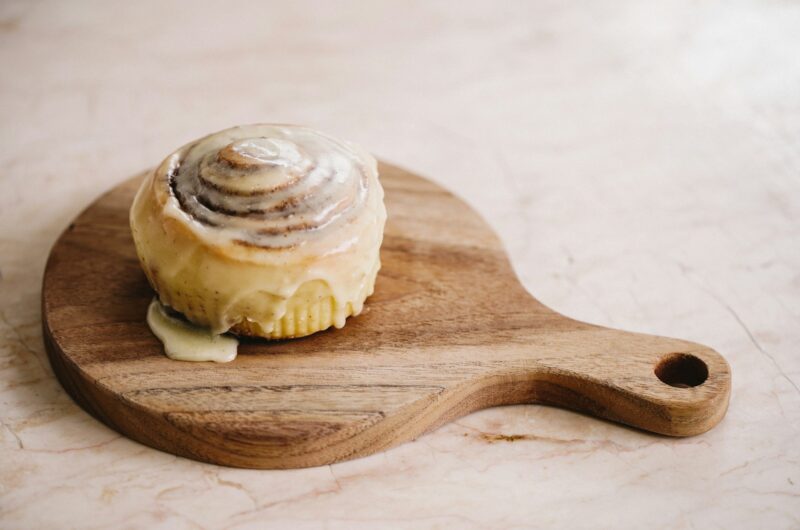
Sourdough Cinnamon Rolls– Soft, Fluffy & Naturally Fermented
Difficulty: Easy10
Rolls20
minutes25
minutes6
hoursSoft, fluffy sourdough cinnamon rolls with a rich cinnamon filling and creamy frosting.
Ingredients
1 cup (240g) active sourdough starter
3 ½ cups (420g) flour
¾ cup (180ml) warm milk
¼ cup (60g) butter, softened
¼ cup (50g) sugar
2 eggs
1 tsp salt
- Filling:
¾ cup (150g) brown sugar
2 tbsp cinnamon
¼ cup (60g) butter
- Frosting:
115g cream cheese
1 cup (120g) powdered sugar
2 tbsp butter
1 tsp vanilla
Directions
- Mix starter, milk, sugar, eggs, and butter. Add flour and salt. Knead until smooth.
- Cover and let rise 4–8 hours until slightly puffy.
- Roll the dough into a rectangle. Spread butter, then cinnamon sugar.
- Roll tightly, slice, and place in a baking dish.
- Let rise again for 1–2 hours until puffy.
- Bake at 180°C (350°F) for 20–25 minutes until golden.
- Mix frosting and spread over warm rolls.
Notes
- Use an active starter for best results.
- Don’t rush the rising time because this builds flavor and softness.
- For overnight prep, refrigerate after shaping and bake in the morning.

Hi, I’m Sorenna Blythe, the baker and writer behind Mix Whisk Bake. I share simple, reliable recipes and honest kitchen moments to help home bakers bake with confidence and joy. When I’m not testing new treats, you’ll find me sipping coffee and dreaming up my next bake.